
Yes, plants can detect and respond to magnetic fields, subtly affecting their growth, orientation, and development. Studies show that exposure to magnetic stimuli can influence root direction, flowering times, and leaf growth. While these effects are often subtle and not noticeable in everyday gardening, research supports that plants have some magnetic sensitivity, possibly to aid in environmental adaptation. If you stay curious, you’ll uncover how magnetic interactions could shape plant health and cultivation techniques.
Key Takeaways
- Plants exhibit magnetic sensitivity, with magnetic exposure influencing germination, root growth, and flowering times.
- Magnetic fields can alter plant responses to environmental cues like light and gravity.
- Experimental studies show roots may grow straighter or more vigorously under magnetic influence.
- The mechanisms may involve magnetic effects on ion movement and cellular processes in plants.
- Understanding plant magnetism could enhance agricultural practices and promote healthier growth.
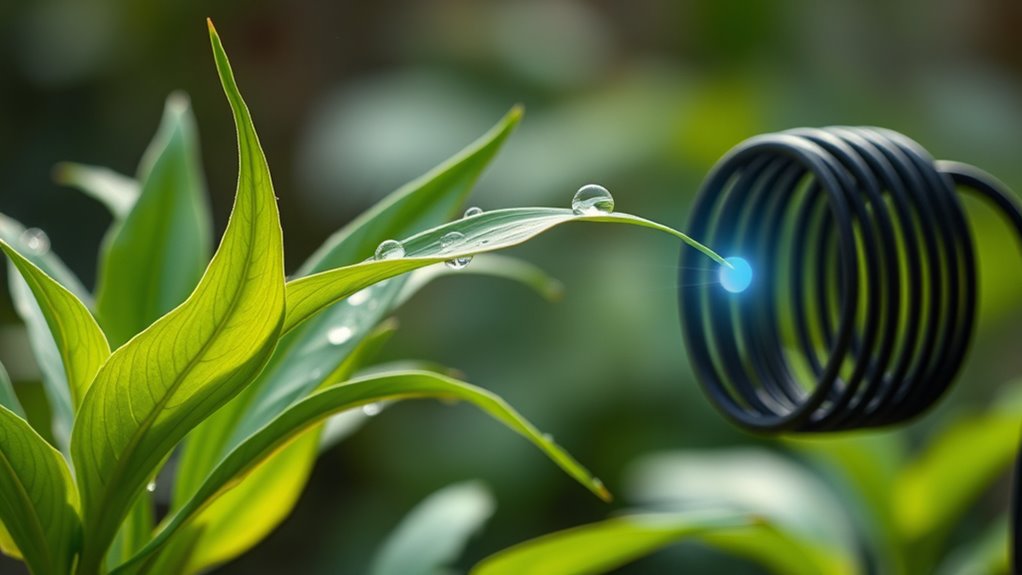
Have you ever wondered if plants can sense magnetic fields? It’s a fascinating question that touches on the subtle ways living organisms interact with their environment. While it might seem unlikely at first, research suggests that plants do exhibit a form of magnetic influence, which points to a kind of plant sensitivity to magnetic fields. This ability isn’t as overt as animals using magnetism for navigation, but it’s enough to influence their growth and development in ways scientists are still trying to understand.
Plants may sense magnetic fields, subtly influencing their growth and development in ways scientists are still exploring.
Plants are known to respond to various environmental cues like light, gravity, and moisture, but magnetic influence is a more elusive factor. Evidence shows that when exposed to magnetic fields, certain plant processes can change. For example, some experiments indicate that magnetic exposure can alter germination rates, root orientation, and even flowering times. These findings imply that plants might have a built-in sensitivity to magnetic stimuli, even if the mechanisms aren’t fully mapped out yet. The idea is that magnetic fields could affect the way ions move within plant tissues or influence cellular processes, subtly guiding growth patterns.
You might not notice these effects in everyday gardening, but under controlled conditions, the influence becomes more apparent. When plants are subjected to artificially generated magnetic fields, their growth behavior often shifts—roots may grow straighter or more vigorously, and leaves might develop differently. This suggests that magnetic influence isn’t just a coincidence but could be an integral part of how plants perceive and adapt to their environment. Scientists continue to investigate whether this plant sensitivity to magnetic fields is a form of communication or a survival mechanism.
Understanding plant magnetism could open up new ways to improve agriculture and horticulture. If we can harness magnetic fields to promote healthier growth or control flowering times, it could lead to more sustainable practices. It’s also possible that plants have evolved to sense Earth’s magnetic field naturally, helping them orient their roots or shoots for ideal growth. Although the full picture remains unclear, the evidence points to a subtle but significant role of magnetic influence in plant life.
In essence, plants do seem to react to magnetic fields, revealing a layer of complexity in their interactions with the environment. While they may not have eyes or ears, they possess a form of plant sensitivity that responds to magnetic cues. This ongoing research continues to challenge our understanding, showing that even the most seemingly simple organisms can be finely attuned to the invisible forces around them.

3-Pack Rechargeable Grow Lights for Indoor Plants, Cordless Plant Grow Lamp
- Rechargeable Battery: Charges in 2.5 hours, runs 4-10 hours
- Full Spectrum Light: CRI98, simulates natural sunlight
- High PPFD: Up to 389.2 μmol/m²/s at 3.94 inches
As an affiliate, we earn on qualifying purchases.
As an affiliate, we earn on qualifying purchases.
Frequently Asked Questions
Can Magnetic Fields Influence Plant Growth Rates?
Magnetic fields can influence plant growth rates through magnetic stimulation. When exposed to magnetic stimulation, plants may experience enhanced cell division, improved nutrient uptake, and stronger root development. These effects can lead to faster growth and healthier plants. You should consider experimenting with magnetic fields to see if they positively impact your plants, as research suggests that magnetic stimulation could be a useful tool for promoting plant growth.
Do Plants Emit Measurable Magnetic Signals?
Yes, plants do emit measurable magnetic signals through their electromagnetic responses. When exposed to magnetic field effects, plants generate tiny electrical currents within their tissues, creating weak magnetic fields. You can detect these signals with sensitive instruments like magnetometers. These plant electromagnetic responses reveal how plants interact with their environment, and studying them helps us understand their subtle ways of sensing and responding to magnetic influences.
Are Certain Plant Species More Responsive to Magnetism?
Imagine plants holding secrets in their leaves—some species do show greater magnetic sensitivity. You’ll find that certain plants possess a stronger capacity for plant magnetoreception, making them more responsive to magnetic fields. These differences aren’t random; they depend on the species’ unique biological makeup. If you’re exploring magnetic effects on plants, focus on those with specialized structures or behaviors linked to plant magnetoreception, as they react more noticeably to magnetic influences.
How Does Magnetism Affect Seed Germination?
Magnetic stimulation can positively influence seed sprouting, helping seeds germinate faster. When you expose seeds to magnetic fields, it may enhance water absorption and enzyme activity, leading to quicker germination. By applying magnetic fields during seed treatment, you could improve overall seedling health and growth rates. So, if you’re looking to boost germination success, experimenting with magnetic stimulation might be a simple, effective approach.
Can Magnetic Therapy Improve Plant Health?
A watched pot never boils, but your plants might thrive with magnetic therapy. While magnetic pollution can harm plants, some evidence suggests that plant magnetoreception allows them to sense magnetic fields. Using gentle magnetic therapy could boost plant health by stimulating growth and resilience. However, avoid overexposure, as too much magnetic pollution might stress your plants. You hold the power to help your garden flourish through mindful magnetic practices.
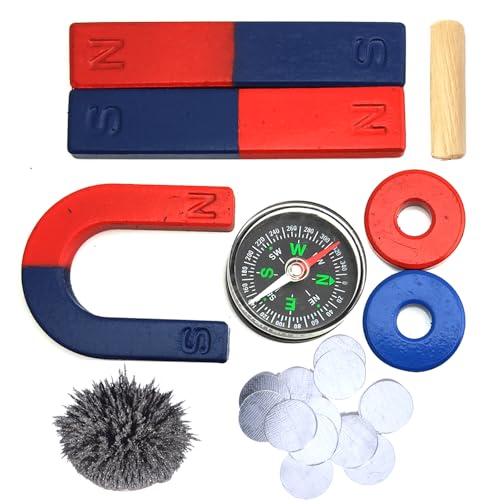
EUDAX Physics Science Magnets Kit for Education Science Experiment Tools Icluding Bar/Ring/Horseshoe/Compass Magnets
- High-Quality Rare Earth Magnets: Ceramic Ferrite, sintered, durable
- STEM Education Focus: Enhances science, technology, engineering, math
- Practical Physics Activities: Stimulates observation and inquiry
As an affiliate, we earn on qualifying purchases.
As an affiliate, we earn on qualifying purchases.
Conclusion
So, as you stand beneath the quiet dance of magnetic fields, remember that plants might be listening in ways we’re only beginning to understand. Their silent reactions are like whispers from nature, hinting at a hidden dialogue between life and magnetism. By exploring this mysterious connection, you open your eyes to a world where even the tiniest forces can stir the roots of growth. Keep wondering—nature’s secrets are waiting to bloom.

SpektremPlantsurgeUSA Magnetic Water Conditioner | Boost Plant Growth & Crop Yields | Eco-Friendly Water Treatment for Gardens & Agriculture
- Enhances Plant Growth Naturally: Uses magnetic water technology for better hydration
- Increases Crop Yields: Promotes healthier, more productive plants
- Eco-Friendly & Low Maintenance: Made from recycled ocean plastic, no power needed
As an affiliate, we earn on qualifying purchases.
As an affiliate, we earn on qualifying purchases.

Difeel Biotin Root Stimulator 7.1 Ounce – Leave in Root Treatment for Strengthening & Growth
- Product Name: Difeel Biotin Root Stimulator 7.1 oz
- Main Benefit: Stimulates hair growth and strength
- Key Ingredient: Infused with biotin
As an affiliate, we earn on qualifying purchases.
As an affiliate, we earn on qualifying purchases.