Your houseplant’s success largely depends on its placement because it directly affects light, moisture, and environmental conditions necessary for healthy growth. For example, placing a plant near a sunny window dries soil faster, requiring more frequent watering, while shaded spots help retain moisture. Proper placement also matches a plant’s light and temperature needs, reducing stress and improving overall health. If you want to discover how to optimize your plant’s location, keep exploring these key factors.

Get the little things that make your day delivered free — and shop member deals
- Fast, free delivery on millions of items
- Access to Prime Big Deal Days deals on October 6–7
- Prime Video, Amazon Music and more included
Key Takeaways
- Proper placement ensures optimal light, temperature, and humidity levels vital for plant health and growth.
- Placement influences soil moisture retention, reducing overwatering or underwatering issues.
- Strategic positioning aligns with specific plant light and environmental needs, promoting vigorous growth.
- Correct placement minimizes stress from fluctuating moisture and environmental conditions.
- Thoughtful placement simplifies watering routines and enhances overall plant success and vitality.

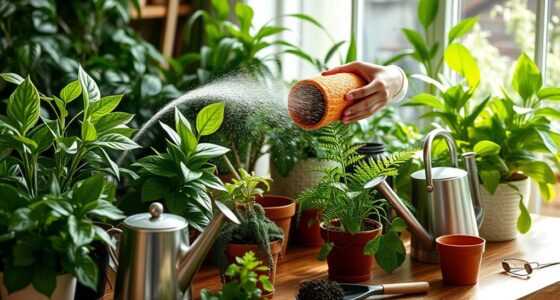
Have you ever wondered how to position your houseplants for ideal growth and aesthetic appeal? The secret often lies in thoughtful placement, which directly influences how well your plants thrive. One key factor to consider is soil moisture. When you place a plant in the right spot, it helps regulate its watering schedule naturally. For example, a plant near a sunny window might dry out faster, requiring more frequent watering, while one in a shaded corner will retain moisture longer. By observing your plant’s environment, you can adjust its placement to maintain consistent soil moisture, preventing both overwatering and underwatering. This balance is essential because fluctuating moisture levels can stress your plant, stunt growth, or cause leaf drop.
Your watering schedule can become a lot simpler when you position your plants properly. Instead of sticking to a rigid timetable, you can tailor your watering routine based on the plant’s environment. For instance, plants on a south-facing windowsill often need more frequent watering due to higher light exposure, which speeds up soil drying. Conversely, plants placed further from direct sunlight or in cooler spots tend to need less water, saving you time and effort. Proper placement helps create a natural rhythm, making your watering schedule more intuitive and less guesswork-filled. This reduces the chances of neglect or accidental overwatering, which are common pitfalls for many houseplant owners.
Proper plant placement simplifies watering by matching needs to environment, reducing guesswork and preventing over- or underwatering.
Beyond moisture and watering, placement also influences light exposure, temperature, and humidity—all essential for healthy growth. A plant placed in the right spot will receive just the right amount of light, neither too much nor too little, which complements your watering schedule. For example, an east-facing window provides gentle morning sun, ideal for many leafy plants, while avoiding the harsh afternoon rays that can scorch leaves. Additionally, understanding the importance of soil moisture can help you make more informed placement choices that support your plant’s overall health. When you consider the plant’s light requirements, you can better match it with the ideal spot, leading to more vigorous growth. Recognizing how environmental factors such as humidity and temperature interplay with placement further enhances your ability to care for your plants effectively. An understanding of natural lighting conditions can also help you select the best location for your plants, ensuring they receive the appropriate amount of sunlight. Incorporating knowledge about plant health prognosis can also guide you in troubleshooting and adjusting your care routine as your plants grow.
In the end, successful houseplant care hinges on your ability to find the perfect balance between environment and routine. When you place your plants thoughtfully, you create a natural harmony that supports soil moisture levels and simplifies your watering schedule. It’s a simple, effective strategy that makes your plants healthier and your space more vibrant. With some attention to where you put your plants, you’ll find that nurturing them becomes less of a chore and more of a rewarding experience.
As an affiliate, we earn on qualifying purchases.
Frequently Asked Questions
How Do I Know if My Houseplant Is Getting Enough Light?
You can tell if your houseplant gets enough light by observing its growth and color. If it’s stretching or losing vibrancy, it might need more light. Keep your watering routines consistent, but avoid overwatering, which can attract pests. Regularly check for signs of pests or disease, as poor light can weaken plants’ defenses. Adjust placement gradually, ensuring your plant gets the right amount of natural light for healthy growth.
What Are Signs My Plant Is Unhappy With Its Placement?
Your plant’s dissatisfaction whispers through drooping leaves, yellowing, or leggy growth, signaling it’s craving the right sunlight requirements. If it leans toward the window, it’s seeking more light; if it’s scorched or wilted, it might be overexposed. Neglecting watering habits can also cause stress—too dry or soggy soil. Pay close attention to these signs, adjusting placement and care, to nurture a happy, thriving houseplant.
Which Spots Are Best for Different Types of Houseplants?
You should place succulents in bright, direct sunlight where soil moisture dries quickly, preventing overwatering issues. Ferns thrive in shady spots with consistently moist soil, avoiding dry air that invites pests. For tropical plants, find a warm, humid location with indirect light to maintain soil moisture levels, reducing pest problems. Regularly check these spots to guarantee your plants stay healthy, happy, and pest-free.
How Often Should I Rotate My Houseplants for Even Growth?
Ever wonder how to keep your houseplants thriving? You should rotate them about once a month to promote even growth and prevent leaning toward the light. This simple practice also helps with pest prevention, making it easier to spot issues early. Adjust your watering schedule accordingly as plants change position, and keep an eye out for pests lurking in less accessible spots. Regular rotation guarantees your plants stay healthy and balanced.
Can Placement Affect My Houseplant’s Overall Health and Lifespan?
Placement definitely affects your houseplant’s health and lifespan. When you position plants in ideal spots, they get proper light, which reduces the need for excessive watering and prevents overwatering-related issues. Good placement also helps pest prevention by avoiding damp, shady areas where pests thrive. Properly placed plants are less stressed, healthier, and more resilient, ensuring they live longer and stay vibrant with less maintenance.
As an affiliate, we earn on qualifying purchases.
Conclusion
Remember, the right placement can make or break your houseplant’s success. Nearly 70% of plant health issues stem from incorrect positioning, so take the time to find that perfect spot. Whether it’s a bright windowsill or a cozy corner, your plants thrive when they’re in the right environment. Pay attention to light and humidity, and you’ll enjoy lush, thriving greenery that brightens your home and boosts your mood every day.
As an affiliate, we earn on qualifying purchases.
As an affiliate, we earn on qualifying purchases.
Halloween Picks
halloween
As an affiliate, we earn on qualifying purchases.