
Wild ginseng is at serious risk due to overharvesting, habitat destruction, and environmental changes. When people collect it irresponsibly or beyond sustainable limits, it damages the plant populations and ecosystems. Protecting this valuable natural treasure requires adopting conservation practices, supporting habitat preservation, and choosing sustainably sourced products. By understanding how your actions impact wild ginseng, you can help guarantee its survival for future generations. Continue exploring to learn how you can contribute to its preservation.

Get the little things that make your day delivered free with Prime
- Fast, free delivery on millions of items
- Prime Video, Amazon Music and more included
- Member-only deals all year
Key Takeaways
- Overharvesting driven by high demand threatens wild ginseng populations and disrupts natural growth cycles.
- Sustainable harvesting practices are essential to prevent damage and ensure ongoing regeneration of wild ginseng.
- Habitat degradation from deforestation and climate change reduces suitable environments for wild ginseng survival.
- Conservation efforts, including legal regulations and cultivation programs, help protect and sustain wild ginseng populations.
- Educating consumers and promoting responsible sourcing are vital for safeguarding America’s medicinal treasure.
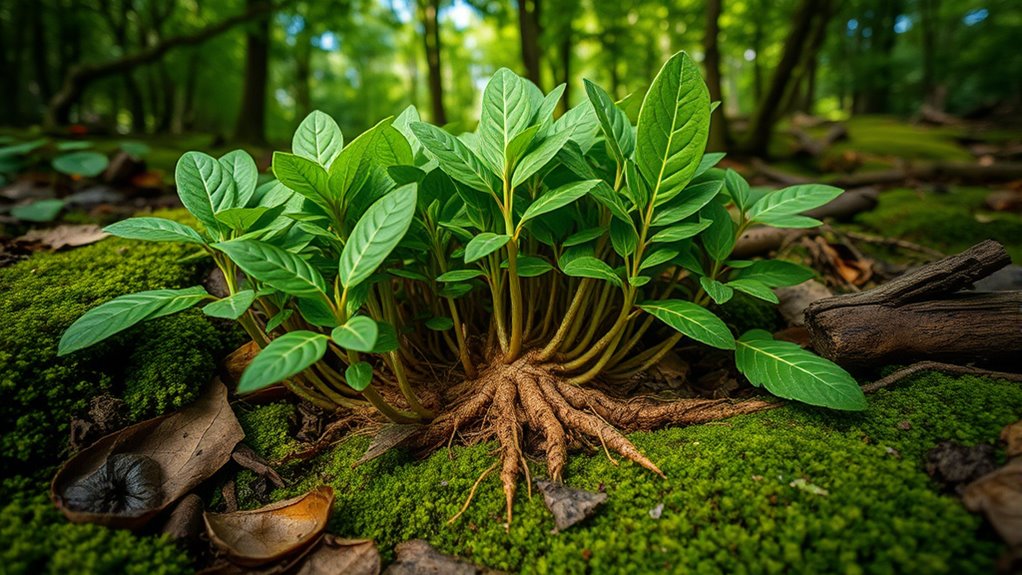
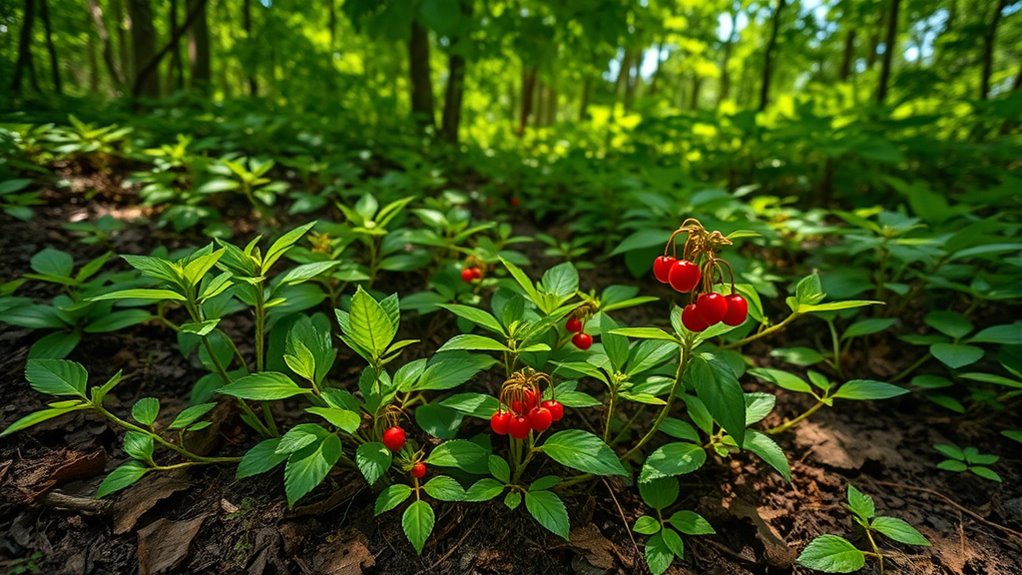
Have you ever wondered why wild ginseng populations are rapidly declining? The answer lies in how people harvest this valuable plant. Many harvesters, driven by high demand and economic incentives, often take more than they need, damaging the delicate balance of wild ginseng populations. Without mindful practices, this overharvesting can lead to severe declines, threatening the plant’s future. To prevent this, sustainable harvesting practices are essential. These methods focus on collecting ginseng without harming the plants or their habitats, ensuring they can reproduce and thrive for generations to come. Implementing sustainable harvesting requires education and awareness, so harvesters understand the importance of moderation and respecting natural growth cycles. It also involves setting limits on the number of plants collected and avoiding uprooting mature specimens that are imperative for seed dispersal and population stability. These practices are a fundamental part of conservation strategies aimed at protecting wild ginseng. Conservation strategies go beyond just sustainable harvesting; they encompass habitat preservation, cultivation efforts, and legal regulations. Protecting the forests and shaded environments where ginseng naturally grows is essential, as these ecosystems are increasingly threatened by deforestation, urbanization, and climate change. When natural habitats are degraded or destroyed, wild ginseng has fewer places to grow and reproduce. Cultivation programs have emerged as a promising approach, allowing growers to produce ginseng without removing it from the wild, reducing pressure on natural populations. Legal measures, such as harvest restrictions and protected areas, also play an important role. These regulations help maintain population levels and prevent illegal poaching. As a responsible individual or consumer, you can support conservation strategies by purchasing ginseng from reputable sources that prioritize sustainable practices. Educating yourself and others about the importance of protecting wild ginseng ensures that this medicinal treasure remains available for future generations. Promoting awareness about vetted sources of ginseng can help ensure ethical and sustainable choices. Ultimately, safeguarding wild ginseng requires a collective effort, combining sustainable harvesting, habitat preservation, legal protections, and responsible consumer choices. By understanding the impact of our actions and supporting conservation strategies, you can help preserve this remarkable plant. Protecting wild ginseng isn’t just about saving a plant; it’s about maintaining a crucial part of America’s natural heritage and medicinal history. With mindful practices and concerted efforts, we can guarantee that wild ginseng continues to grow in its native habitats, offering its health benefits to those who need it while honoring the ecosystems it depends on. Your role in this process is indispensable, and every small step toward conservation helps secure the future of this precious resource.
sustainable wild ginseng supplement
As an affiliate, we earn on qualifying purchases.
As an affiliate, we earn on qualifying purchases.
Frequently Asked Questions
How Can Consumers Identify Sustainably Harvested Ginseng Products?
To identify sustainably harvested ginseng, look for products labeled with wild harvest or ethical sourcing certifications. These labels indicate the ginseng was collected responsibly, ensuring wild populations aren’t overexploited. You can also research brands committed to conservation and transparent harvesting practices. By choosing these products, you support efforts to protect wild ginseng and promote sustainable practices, helping preserve this valuable medicinal resource for future generations.
What Legal Protections Exist for Wild Ginseng Across Different States?
Oh, the delightful world of ginseng trade regulations—where laws are as elusive as the plant itself. Each state enforces harvest regulations differently, with some protecting wild ginseng through permits and harvest limits, while others turn a blind eye. You’ll find that legal protections vary widely, so if you’re involved in ginseng trade, you better familiarize yourself with local laws to avoid unintentionally becoming a ginseng outlaw.
Are Cultivated Ginseng Options as Effective as Wild Varieties?
Cultivated ginseng can be just as effective as wild varieties, depending on cultivation methods. If grown properly, with attention to soil, shade, and harvest timing, cultivated ginseng maintains high quality. While some believe wild ginseng has superior potency, advancements in cultivation techniques guarantee consistent quality comparison. You can confidently choose cultivated ginseng, knowing it offers medicinal benefits similar to wild ginseng when grown under ideal conditions.
How Does Overharvesting Impact Local Ecosystems and Plant Diversity?
Overharvesting of wild ginseng causes ecosystem imbalance, disrupting the natural habitat and food sources for local wildlife. When plants like ginseng are removed excessively, it reduces plant biodiversity, making ecosystems more vulnerable to invasive species and environmental changes. This loss of diversity weakens the resilience of the ecosystem, threatening not only wild ginseng populations but also the broader health of the environment you depend on.
What Role Do Native American Tribes Play in Ginseng Conservation Efforts?
Native American tribes play a crucial role in ginseng conservation through tribal stewardship, actively managing and protecting ginseng habitats. They emphasize cultural preservation by maintaining traditional harvesting practices that guarantee sustainable populations. Your support for tribal-led initiatives helps preserve their knowledge and lands, fostering responsible use of wild ginseng. By respecting their stewardship, you contribute to the long-term health of ecosystems and the cultural heritage tied to this treasured plant.
As an affiliate, we earn on qualifying purchases.
Conclusion
If you don’t act now, wild ginseng’s fate hangs by a thread, like a fragile leaf in a storm. This precious treasure, rooted in history and health, is slipping away before our eyes. By supporting conservation efforts, you become a guardian of its future, ensuring generations can still walk the woods and find this natural wonder. Don’t let it vanish into the shadows—stand up and protect the heartbeat of America’s medicinal heritage.
ginseng conservation herbal products
As an affiliate, we earn on qualifying purchases.
As an affiliate, we earn on qualifying purchases.
As an affiliate, we earn on qualifying purchases.
Halloween Picks
halloween
As an affiliate, we earn on qualifying purchases.