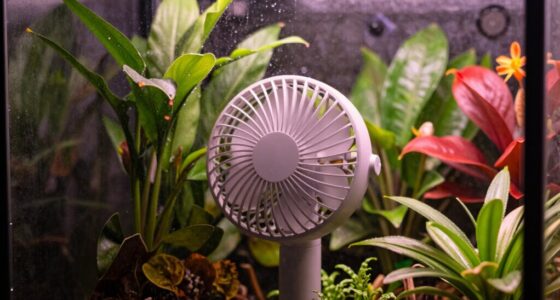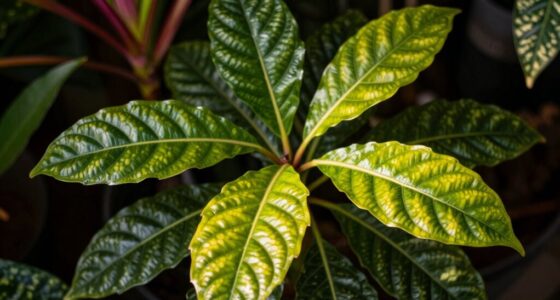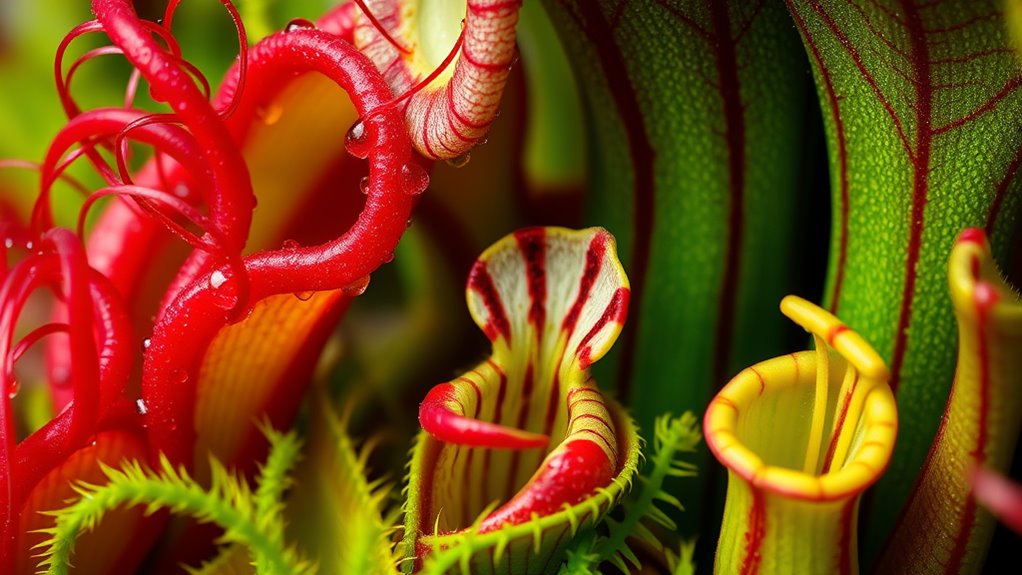

To care for your unusual carnivorous plants, focus on proper propagation, healthy growing conditions, and pest control. Propagate through division, leaf cuttings, or seed sowing, ensuring sterile tools and suitable media. Maintain high humidity, bright light, and avoid overwatering to prevent pests and fungal issues. Keep plants vigorous with balanced feeding and proper airflow. If you stay vigilant and consistent, you’ll promote thriving plants—exploring further will reveal even more tips for their care.

Get the little things that make your day delivered free — and shop member deals
- Fast, free delivery on millions of items
- Access to Prime Big Deal Days deals on October 6–7
- Prime Video, Amazon Music and more included
Key Takeaways
- Use sterile tools and well-draining, nutrient-poor media to propagate and maintain healthy, unusual carnivorous plants.
- Provide high humidity, bright light, and proper watering to promote growth and prevent pests.
- Regularly inspect plants for pests like aphids, spider mites, and fungus gnats; treat promptly with organic methods.
- Ensure healthy plants through proper feeding, watering, and airflow to boost pest resistance and vitality.
- Combine propagation with pest management to expand collection and keep unusual flytraps, pitchers, and sundews thriving.
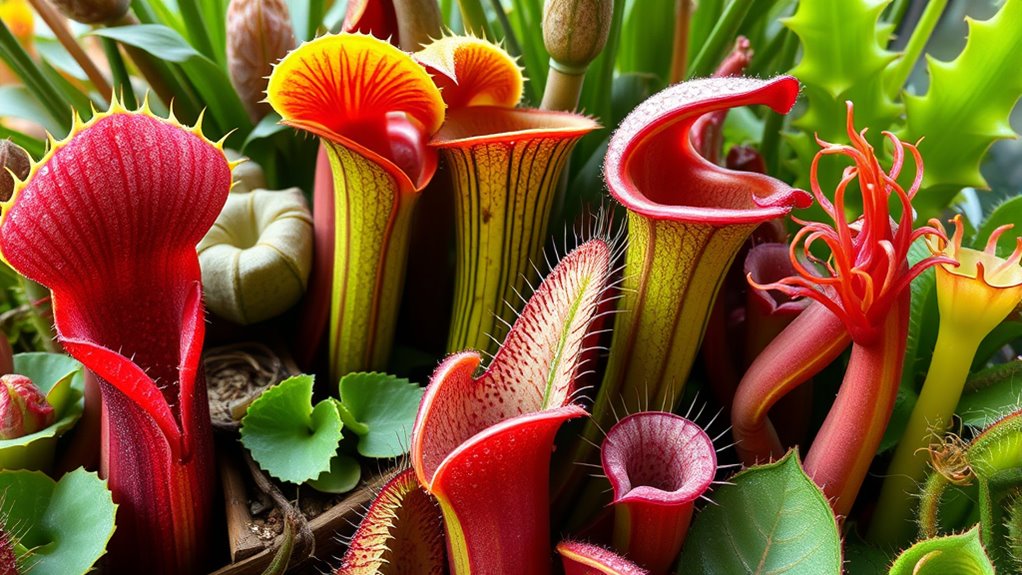
Have you ever wondered what makes carnivorous plants so fascinating? These extraordinary plants have evolved unique adaptations that allow them to trap and digest insects, turning the typical plant-insect relationship on its head. When caring for a collection of flytraps, pitcher plants, and sundews, understanding their propagation and pest management needs is essential. Plant propagation is *crucial* because it helps you expand your collection and maintain healthy specimens, while pest management ensures your plants stay vigorous and free from harmful insects that can sabotage their delicate balance.
To propagate carnivorous plants successfully, you’ll want to focus on methods suited to each species. Many pitcher plants and sundews can be propagated through division or leaf cuttings, while flytraps often grow well from seed or tissue culture. When dividing plants, gently separate offsets or rhizomes, making sure each division has roots and healthy growth points. Use sterile tools to prevent disease spread, and plant the divisions in a well-draining, nutrient-poor medium to mimic their natural habitat. For seed propagation, sow the tiny seeds on the surface of a moist, acidic medium and keep the environment humid and bright. Patience is key, as germination can take several weeks, but the reward is a genetically identical new plant that will thrive under your care. Understanding the importance of a highly specialized soil medium is essential for their success.
Pest management is *equally vital* because carnivorous plants are naturally resistant to many pests, but they’re not invulnerable. Common pests like aphids, spider mites, and fungus gnats can cause stress or damage, so regular inspection is necessary. To keep pests at bay, maintain proper humidity and airflow around your plants, and avoid overwatering, which can foster fungal issues. If you notice pests, gently wash them off with a soft stream of water or use organic insecticidal soap, avoiding harsh chemicals that could harm your plants. Introducing beneficial insects, such as predatory mites, can also help keep pest populations under control. Remember, healthy plants are better equipped to resist pests, so proper watering, adequate lighting, and appropriate feeding are fundamental to pest management.
In caring for your collection, it’s *essential* to strike a balance between propagation and pest control. Regularly propagating your plants not only increases your collection but also gives you fresh, vigorous specimens that can better withstand pest challenges. By understanding and implementing effective plant propagation techniques and pest management strategies, you’ll ensure your unusual flytraps, pitchers, and sundews remain healthy, thriving, and endlessly intriguing for years to come.
carnivorous plant propagation kit
As an affiliate, we earn on qualifying purchases.
As an affiliate, we earn on qualifying purchases.
Frequently Asked Questions
How Often Should I Fertilize My Carnivorous Plants?
You’re wondering about plant fertilization and how often to feed your carnivorous plants. Generally, these plants don’t need regular fertilization because they get nutrients from their prey. You should only fertilize sparingly, about once a month during active growth, and use a diluted fertilizer. For feeding frequency, let your plants catch their natural prey or provide small amounts of insect-based food a few times a month to keep them healthy.
What Are Common Pests That Attack Flytraps and Pitchers?
You should watch for common pests like aphid infestations and spider mite attacks, which can harm your flytraps and pitchers. Aphids suck plant sap, weakening your plants, while spider mites cause stippling and webbing. Regularly inspect your plants and use gentle insecticidal soap or natural predators to keep these pests at bay. Early detection makes treatment easier and keeps your plants healthy and thriving.
Can I Grow Carnivorous Plants Outdoors Year-Round?
Thinking of growing carnivorous plants outdoors year-round? Like a gardener tending to a delicate garden, you can, but with seasonal adjustments. Outdoor cultivation is possible if you provide proper protection during cold months and make sure they get enough sunlight and humidity. Keep an eye on temperature fluctuations, and bring them inside if harsh weather hits. With care, your plants can thrive through all seasons, much like a resilient, thriving oasis.
How Do I Propagate Different Types of Carnivorous Plants?
You can propagate different types of carnivorous plants using various propagation techniques, like seed sowing, division, or leaf cuttings. Pay attention to growth stage considerations; for example, divide mature plants during dormancy or when growth slows. For seed propagation, provide ideal light and humidity, while division works best when plants are actively growing. Understanding each species’ needs ensures successful propagation and healthy new plants.
What Are Signs of Overfeeding or Underfeeding My Plants?
Think of your plant like a car—it needs the right amount of fuel. Overfeeding causes watering issues and can lead to mold or rot, while underfeeding results in stunted growth and pale traps. I once overfed my sundew, and its leaves turned black and shriveled. Watch for growth abnormalities like misshapen traps or sticky, overly dry surfaces, which signal you’re either overdoing or underdoing feeding.
organic insecticidal soap for plants
As an affiliate, we earn on qualifying purchases.
As an affiliate, we earn on qualifying purchases.
Conclusion
By caring for your carnivorous plants like flytraps, pitchers, and sundews, you create a lush, mesmerizing collection that thrives with the right attention. Imagine watching a sundew catch tiny insects on a summer evening, or a pitcher plant’s vivid colors drawing in prey. With patience and proper care, your collection becomes a enthralling garden of nature’s most unusual predators—turning your space into a living, breathing display of botanical wonder.
As an affiliate, we earn on qualifying purchases.
As an affiliate, we earn on qualifying purchases.
Halloween Picks
halloween
As an affiliate, we earn on qualifying purchases.