Some rare plants need very high humidity because they evolved in moist, tropical environments where consistent moisture is essential for their delicate structures and healthy growth. They often have thin leaves, no thick cuticle, and sensitive roots that can quickly suffer in dry air. Keeping humidity levels high mimics their natural habitat, preventing stress and dehydration. If you want to understand how to create the perfect microclimate for these plants, there’s more to discover.
Key Takeaways
- Rare plants often have delicate structures that lose moisture quickly in dry environments.
- They rely on high humidity to prevent dehydration and support their physiological functions.
- Mimicking natural rainforest conditions helps replicate their native moisture-dependent habitats.
- High humidity facilitates nutrient absorption through leaves and roots, essential for plant health.
- Maintaining optimal moisture levels reduces stress and promotes healthy growth in sensitive species.

Have you ever wondered why certain rare plants thrive only in high-humidity environments? It’s because these plants have evolved to depend on moisture levels that most typical indoor or outdoor settings can’t provide. Their delicate structures, such as thin leaves or lack of a thick cuticle, make them especially sensitive to dry air. To keep these plants healthy, you need to replicate their natural habitat as closely as possible. This is where tools like humidity sensors become invaluable. By monitoring the moisture levels in your environment, you can guarantee they stay within the ideal range, preventing stress or dehydration. When humidity drops below their comfort zone, you might notice signs like wilting or leaf drop. Maintaining precise humidity is essential, and that’s where misting techniques come into play.
Misting techniques involve spraying a fine mist of water over the plants regularly. This method mimics the dew or rain they might experience in their native habitat, providing immediate moisture absorption through their leaves and roots. Consistency is key, so you might need to mist several times a day, especially during dry seasons or in heated indoor environments. To do this effectively, you can use a spray bottle or a dedicated misting system that allows for even distribution. When combined with humidity sensors, you get real-time data on your plant’s environment, enabling you to adjust your misting schedule accordingly. For example, if your sensor indicates that humidity levels are falling below the preferred range, you can increase misting frequency or turn to automated misting systems.
Understanding the specific humidity needs of each rare plant helps you tailor your care routine. Some plants require extremely high levels—up to 80% or more—while others may tolerate slightly lower but still elevated humidity. The goal is to create a microclimate that mimics their natural surroundings, which often include rainforest canopies or swampy areas. Besides misting, you can also increase humidity by placing the plants on trays filled with water and pebbles, or by grouping several plants together to create a humid microenvironment. The key is to observe your plants closely and use tools like humidity sensors to fine-tune their environment. With consistent attention and proper misting techniques, you’ll give these rare plants the moisture they crave, helping them flourish where many others would simply struggle.

RAINPOINT Smart Digital Wireless Plant Moisture Meter Houseplant Indoor,WiFi Hub Needed,Capacitive Probe,Leave-in Soil Hygrometer Sensor,Real-time Monitor Humidity Tester Outdoor Gardening
- Automatic and Manual Detection: Detects soil moisture every 3 minutes
- Real-Time LCD Display: Shows moisture levels continuously
- Remote Monitoring Compatible: Works with RAINPOINT Home app
As an affiliate, we earn on qualifying purchases.
As an affiliate, we earn on qualifying purchases.
Frequently Asked Questions
How Do I Measure Humidity Levels Accurately at Home?
To accurately measure humidity levels at home, you should use humidity sensors or digital hygrometers. Place the device in the area where your rare plants are located for the best readings. Digital hygrometers are easy to read and provide precise measurements, helping you maintain ideal humidity. Regularly check the readings, especially in dry or fluctuating conditions, to guarantee your plants get the high humidity they need.
Can High Humidity Harm Other Indoor Plants?
High humidity can harm your other indoor plants if it surpasses their specific needs. Many humidity myths suggest all plants thrive in moist conditions, but plants adapt differently. You might see mold, pests, or leaf rot if humidity levels are too high. To protect your plants, monitor their preferences and modify humidity accordingly, understanding that plant adaptation varies. Proper care ensures healthy growth without the risk of harm from overly humid environments.
What Devices Can Help Maintain Consistent Humidity?
To maintain consistent humidity, you can use devices like a humidifier, which helps add moisture to the air, and a digital hygrometer to monitor humidity levels accurately. Make sure to perform regular humidifier maintenance to prevent mold and bacteria buildup. With these tools, you can create an ideal environment for your rare plants, ensuring they stay healthy and thrive in their high-humidity needs.
Are There Any Natural Ways to Increase Humidity Naturally?
You can increase humidity naturally by using natural humidifiers like placing bowls of water near your plants or grouping them together to create a microenvironment. Avoid falling for humidity myths that these methods won’t work; they do help raise moisture levels. You might also mist your plants regularly or add live moss or air plants nearby. These simple strategies boost humidity without relying solely on devices, creating a healthier environment for your rare plants.
How Often Should I Mist Rare Plants to Maintain Humidity?
You should mist your rare plants daily to maintain adequate humidity, especially if they’re adapted to high-humidity environments. While some humidity myths suggest misting can substantially increase overall air moisture, it’s more effective for plants that thrive in moist conditions. Observe your plant’s response, and adjust your misting frequency accordingly. Regular misting mimics their natural habitat, helping your plant stay healthy without overdoing it.
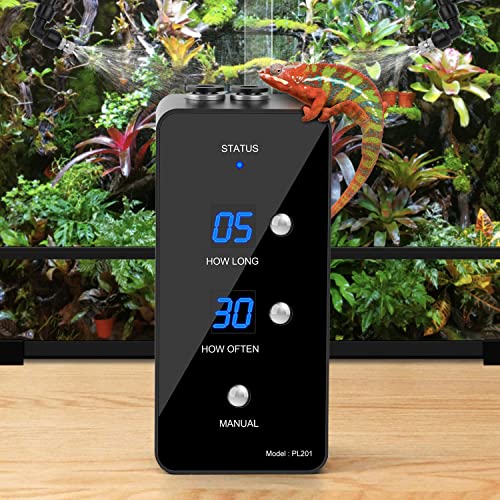
moistenland Reptile Humidifier, Misting System for Terrariums, Automatic with Adjustable Spray Nozzles, Black
- High-Density Misting: Effective 360° rotation nozzles
- Adjustable Spray Nozzles: Rotate to cover all terrarium corners
- Timer Function: Set misting up to 30 days
As an affiliate, we earn on qualifying purchases.
As an affiliate, we earn on qualifying purchases.
Conclusion
So, next time you wonder why these rare plants cling to their high-humidity homes, remember—it’s more than just a preference. Their survival depends on it, and any change could be the difference between thriving and fading away. As you care for these delicate specimens, keep in mind that the secret to their resilience lies in this elusive environment. But what happens if that humidity drops just a little too low? That’s a story waiting to unfold.

Antonki 2 Pack Room Thermometer Indoor Hygrometer
- Pack of Two for Monitoring: Includes two hygrometer thermometers
- Wide Temperature Range: -58°F to 158°F (-50°C to 70°C)
- High Humidity Range: 10% to 99% RH
As an affiliate, we earn on qualifying purchases.
As an affiliate, we earn on qualifying purchases.
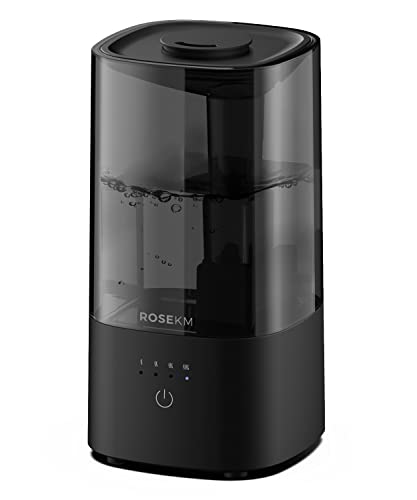
ROSEKM Humidifiers for Bedroom, 2.0L Cool Mist Humidifier for Home Plant and Baby Nursery, Quiet Ultrasonic Humidifier with 360° Nozzle, Auto Shut-Off, Filterless, Black
- Continuous Mist for All-Night Relief: 2.0L capacity, up to 24 hours of mist
- Quiet Operation for Sleep: Less than 26 decibels, no disturbing lights
- Compact and Space-Saving Design: Measures 5.1 inches, fits on nightstands
As an affiliate, we earn on qualifying purchases.
As an affiliate, we earn on qualifying purchases.