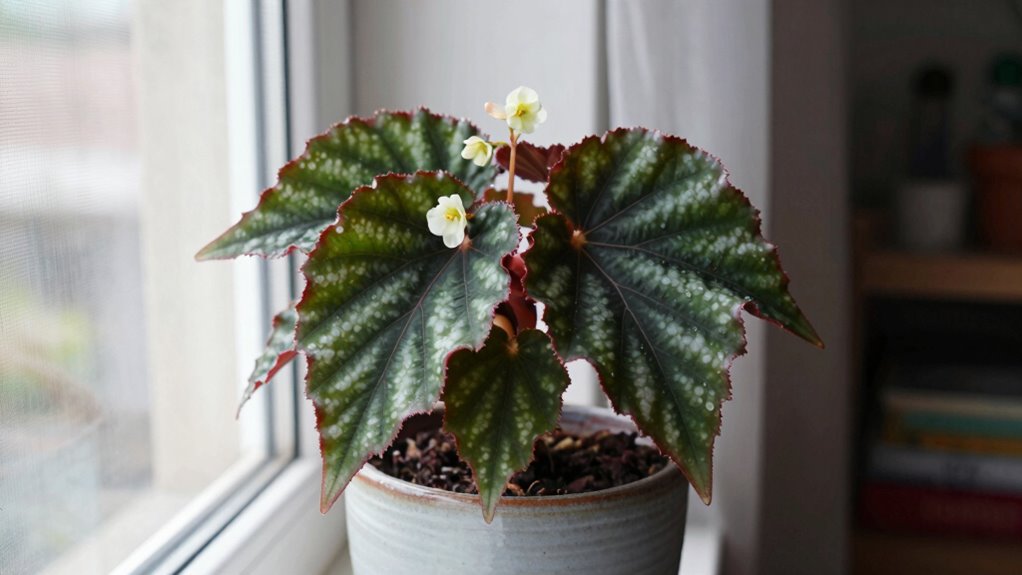

Many rare begonias struggle in average homes because they need specific conditions that are hard to maintain indoors. They prefer slightly acidic soil, bright indirect light, higher humidity, and steady temperatures. Household environments often lack these, leading to problems like poor growth, leaf scorch, or crispy edges. Without proper adjustments, it’s tough to meet their needs. Keep going to discover how you can create a better environment for these delicate plants to thrive.

Get the little things that make your day delivered free — and shop member deals
- Fast, free delivery on millions of items
- Access to Prime Big Deal Days deals on October 6–7
- Prime Video, Amazon Music and more included
Key Takeaways
- Inadequate soil pH levels hinder nutrient absorption, affecting overall health and growth.
- Insufficient or harsh light causes weak, leggy, or scorched leaves.
- Low indoor humidity leads to leaf browning and crispy edges.
- Temperature fluctuations and drafts stress the plants, impairing development.
- Difficulty maintaining stable environmental conditions limits optimal growth.
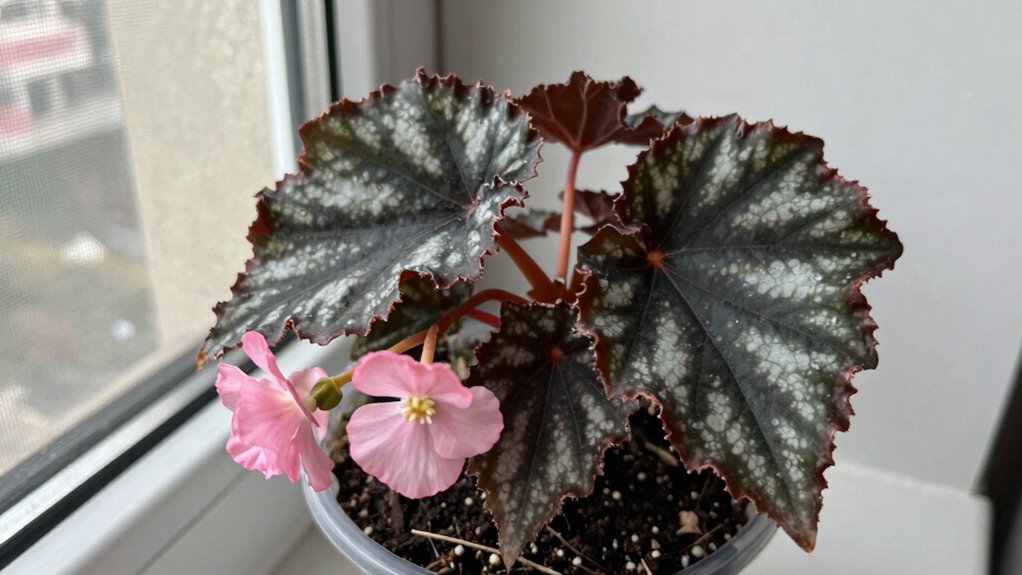
Rare begonias often struggle to thrive in average homes because their specific environmental needs are difficult to meet without specialized care. One of the main challenges is maintaining the right soil pH. These plants typically prefer slightly acidic soil, with a pH level between 5.5 and 6.5. When the soil is too alkaline, the roots can’t absorb nutrients effectively, leading to poor growth or yellowing leaves. Most standard potting mixes in homes tend to be neutral or slightly alkaline, which doesn’t suit the delicate roots of rare begonias. To keep them happy, you might need to amend the soil with organic acids like peat moss or sulfur, guaranteeing the pH stays within their preferred range. Without this attention, the begonia’s health quickly declines, and they fail to flourish. Ensuring proper soil pH is essential for their overall health and growth. Lighting is another critical factor that often trips up plant enthusiasts. Rare begonias require bright, indirect light to thrive. Direct sunlight can scorch their delicate leaves, causing unsightly burns and leaf drop, while too little light results in leggy growth and dull foliage. In most average homes, windows may not provide the ideal light conditions. North-facing windows often offer insufficient light, while east- or west-facing windows can produce harsh afternoon or morning sun. South-facing windows, if not filtered, expose plants to intense rays that can damage their leaves. To meet their light requirements, you may need to use sheer curtains or place your begonia in a spot with bright, filtered light. Supplemental grow lights are also an option to ensure they get enough illumination without the risk of sunburn. Proper lighting conditions are vital for their health and vibrancy. Beyond soil pH and light, other environmental factors like humidity and temperature also play a role. Rare begonias generally prefer higher humidity levels, which are often lacking in homes, especially during winter. If the air is too dry, the plant’s leaves may develop brown edges or become crispy. Maintaining a humidity level around 50-60% helps them stay lush and healthy. As for temperature, they prefer a consistent range, ideally between 65°F and 75°F, avoiding cold drafts or sudden temperature drops.
As an affiliate, we earn on qualifying purchases.
Frequently Asked Questions
How Often Should Rare Begonias Be Fertilized?
You should fertilize rare begonias every 4 to 6 weeks during the growing season, adjusting based on their soil composition. Use a balanced, diluted fertilizer to avoid overfeeding. Remember, proper watering frequency helps the soil stay moist but not soggy, which is essential for their health. During dormancy, cut back on fertilization. Regular feeding supports vibrant growth, but overdoing it can harm these sensitive plants.
What Are Common Pests That Affect Rare Begonias?
Pests like aphids, mealybugs, and spider mites are common troublemakers for rare begonias. To keep these invaders at bay, practice pest control regularly and monitor your plant closely. Disease prevention is equally important—ensure good air circulation and avoid overwatering. If you spot pests early, you can nip the problem in the bud before it causes serious damage. Remember, a proactive approach keeps your begonias healthy and thriving.
Can Rare Begonias Adapt to Low Light Conditions?
Rare begonias generally have limited shade tolerance and struggle with light adaptation in low-light conditions. You might notice their growth slowing or leaves losing vibrancy. To help them thrive, provide bright, indirect light instead of deep shade. While some begonias adapt better, most prefer moderate light levels found in well-lit spots near windows. Ensuring proper light conditions helps your rare begonias flourish and maintain their unique beauty.
What Is the Ideal Humidity Level for Rare Begonias?
Think of your rare begonias as delicate dancers needing just the right air to perform gracefully. The ideal humidity level is around 50-60%, creating a comfy atmosphere. To keep them thriving, you must master humidity control and guarantee proper air circulation. Too dry or too humid, and they’ll falter. Keep the environment balanced, and your begonias will flourish, shining like stars in your home’s cozy stage.
Are Rare Begonias Suitable for Outdoor Gardens?
Rare begonias can be suitable for outdoor gardens if you choose the right placement. You should find a shaded area with indirect sunlight and good airflow to protect them from harsh conditions. Outdoor placement works best if your climate mimics their natural environment. Be mindful of garden compatibility, ensuring the soil stays moist but drains well, and protect them from extreme temperatures. Proper care allows these unique plants to thrive outdoors.
As an affiliate, we earn on qualifying purchases.
Conclusion
So, next time you admire that rare begonia, ask yourself: are you providing the right environment for it to thrive? Sometimes, the conditions in your home just aren’t enough for these delicate plants to flourish. By understanding their needs and adjusting your care, you give them a real chance to bloom beautifully. After all, isn’t a thriving, vibrant begonia worth the extra effort? With a little attention, you can turn your home into a perfect haven for these stunning plants.
As an affiliate, we earn on qualifying purchases.
plant care kit for rare begonias
As an affiliate, we earn on qualifying purchases.
As an affiliate, we earn on qualifying purchases.
NFL season / tailgating Picks
team gear
As an affiliate, we earn on qualifying purchases.