TL;DR

Get the little things that make your day delivered free with Prime
- Fast, free delivery on millions of items
- Prime Video, Amazon Music and more included
- Member-only deals all year
Horticulturist Justin Hancock of Costa Farms recommends bright, indirect light, watering when the top quarter of the potting mix is dry, and well-draining soil for Thanksgiving and Christmas cacti. The plants are rainforest epiphytes, so they need more humidity than desert cacti; their stem shapes can help distinguish the two, though bloom timing is not always reliable.
Costa Farms horticulturist Justin Hancock recommends bright, indirect light, careful watering and higher humidity to help Thanksgiving cacti stay healthy and bloom again. His guidance also explains how to tell the Thanksgiving cactus from the closely related Christmas cactus, a distinction that can be difficult because retailers often use broad holiday-cactus labels.
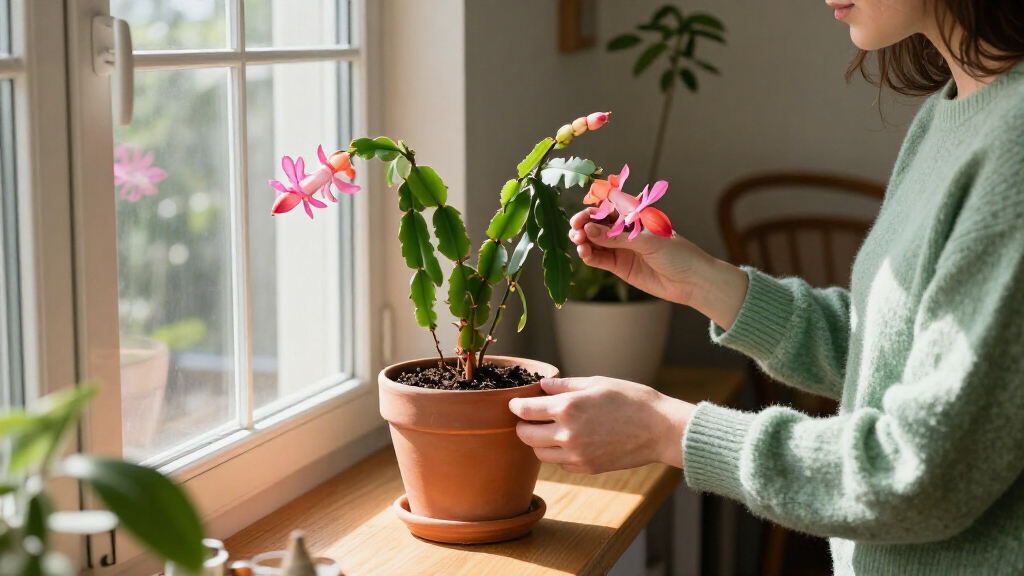
Hancock says both plants do best in bright, indirect light. A useful indicator is a medium or strong shadow for much of the day, without the harshness of direct afternoon sun. If a window is too exposed, he suggests moving the plant farther from it or filtering the light with a sheer curtain. Insufficient light may limit flowering or contribute to bud and bloom drop.
For watering, Hancock advises checking the potting mix rather than following a rigid calendar: water when the top quarter of the mix feels dry. Holiday cacti are epiphytes, plants that naturally grow on trees rather than in soil. Their roots can be harmed by waterlogged conditions, so a pot and mix that drain well matter. The source recommends slightly acidic, well-draining soil; a cactus or succulent mix amended with perlite is one option.
Although they are called cacti, these holiday varieties come from humid rainforest environments, not deserts. Hancock says they benefit from higher humidity than many people expect from a cactus. Care needs are broadly similar for the Thanksgiving and Christmas species, and Hancock says the practical difference in watering routines is small. The source does not provide a specific humidity target or a detailed method for raising humidity.
Help Your Holiday Cactus Bloom Year After Year
Bright, indirect light, careful watering and rainforest-like humidity support healthy growth and repeat blooms.
Build the Right Care Routine
Match care to the plant’s rainforest origins and protect its roots from standing water.
Place in bright, indirect light. Move it farther from intense afternoon sun or filter the light with a sheer curtain.
Water when the top quarter of the potting mix feels dry instead of following a fixed calendar.
Use slightly acidic, well-draining soil; cactus mix amended with perlite is one option.
These rainforest epiphytes generally benefit from more humidity than desert cacti.
Identify the Holiday Cactus
Stem edges and growth habit offer more reliable clues than flowers or bloom dates.
| Clue | Thanksgiving cactus | Christmas cactus |
|---|---|---|
| Stem edges | Pointed ends | Smoother, scalloped or wavy |
| Growth habit | Often upright before arching | Stems more often trail |
| Typical bloom time | November | Late November into December |
Support Flowers, Watch for Stress
Small care adjustments can help address conditions linked with poor flowering or dropped blooms.
Avoid dim corners
Insufficient light may limit flowering or contribute to bud and bloom drop.
Keep roots from sitting wet
Waterlogged conditions can harm roots, so check the mix and make sure water drains away.
Treat dates as clues
Growers can influence flowering with controlled light and temperature, so timing cannot confirm the species.
Care That Supports Repeat Blooms
These tips address the main reasons a holiday cactus may remain alive but fail to flower well: light that is too weak, watering that keeps roots wet, or conditions that are too dry. Matching care to the plants’ rainforest origins can support healthy growth and improve the chances of seasonal flowers returning.
The advice also helps plant owners avoid treating every cactus alike. Thanksgiving and Christmas cacti are jungle cacti, with different needs from desert-adapted varieties. Correct identification can help set expectations about appearance and typical flowering season, although growing conditions and commercial greenhouse schedules can affect when a plant blooms.
Products Worth Considering

Orbit B-hyve Smart Indoor/Outdoor 12-Zone Sprinkler Controller

Orbit B-hyve XR 8-Zone Indoor/Outdoor Smart Sprinkler Controller
Orbit B-hyve XR 16-Zone Indoor/Outdoor Smart Sprinkler Timer
As an affiliate, we earn on qualifying purchases.
How to Identify Holiday Cacti
The Thanksgiving cactus is Schlumbergera truncata; the Christmas cactus is Schlumbergera × buckleyi. Both are closely related holiday plants, and Hancock says retailers may sell either under labels such as “Christmas cactus” or “holiday cactus,” contributing to confusion.
Stem-segment edges offer a practical clue. Thanksgiving cactus segments have pointed ends, while Christmas cactus segments tend to have smoother, scalloped or wavy edges. Thanksgiving plants often grow more upright before their stems arch; Christmas cactus stems more often trail over the pot. Typical bloom periods differ—November for Thanksgiving cactus and late November into December for Christmas cactus—but Hancock cautions that timing is not definitive because growers can use controlled light and temperature to influence flowering.
Flower color is also an imperfect guide. Christmas cactus often has reddish-pink flowers, Hancock says, but Thanksgiving cactus can share that color and is available in a broader range, including red, pink, orange and white. Both types can also have variegated stems.
““Part of the confusion comes from labeling.””
— Justin Hancock, horticulturist at Costa Farms
Bloom Timing Is Not a Guarantee
Flowering dates and color do not reliably identify every plant. Greenhouse growers can manipulate light and temperature, so a plant may bloom outside its usual seasonal window. The two species also share flower colors, making stem shape and growth habit more useful clues than appearance alone.
The source gives general care recommendations but no precise humidity range, seasonal lighting schedule for triggering blooms, or guarantee that a plant will flower every year. Results can depend on a plant’s growing conditions and health; the guidance describes ways to support blooming, not a certain outcome.
Adjust Care as Conditions Change
Plant owners can apply the guidance by checking the light at the plant’s location, feeling the top layer of potting mix before watering and confirming that excess water can drain away. Watch for signs of stress, including poor flowering or dropped blooms, and adjust the plant’s placement or watering habits rather than relying on a fixed schedule.
As the next flowering season approaches, stem shape can help identify whether a plant is more likely to be a Thanksgiving or Christmas cactus. The source provides no newly announced care program or future milestone; its advice is ongoing horticultural guidance for maintaining the plants through successive seasons.
Key Questions
How often should I water a Thanksgiving cactus?
Hancock recommends watering when the top quarter of the potting mix feels dry. Check the soil rather than watering on a fixed schedule, and use a well-draining mix to reduce the risk of waterlogged roots.
How can I tell a Thanksgiving cactus from a Christmas cactus?
Thanksgiving cactus stem segments usually have pointed edges; Christmas cactus segments tend to have smoother, scalloped or wavy edges. Growth habit can also help: Thanksgiving plants often start more upright, while Christmas cactus stems commonly trail.
Do holiday cacti need direct sunlight?
No. Hancock recommends bright, indirect light. Move a plant away from intense afternoon sun or filter the light with a sheer curtain. Low light may reduce flowering or lead to bloom drop.
Why does a cactus from the rainforest need humidity?
Thanksgiving and Christmas cacti are epiphytes from humid, forested environments, not desert cacti. They generally benefit from more humidity than desert-adapted species, though the source does not specify a target humidity level.
Does bloom time confirm which holiday cactus I have?
No. Thanksgiving cacti typically bloom in November and Christmas cacti from late November into December, but commercial growers can influence flowering with controlled light and temperature. Bloom timing is only a clue, not a definitive identification method.
Source: goodhousekeeping.com