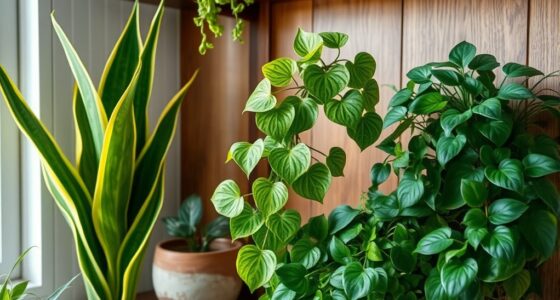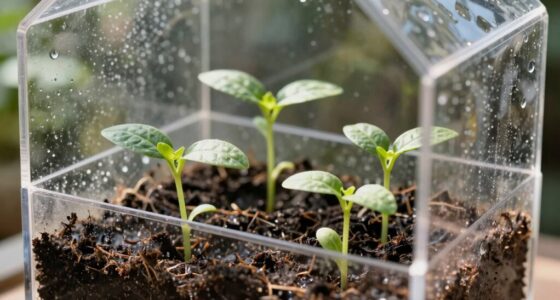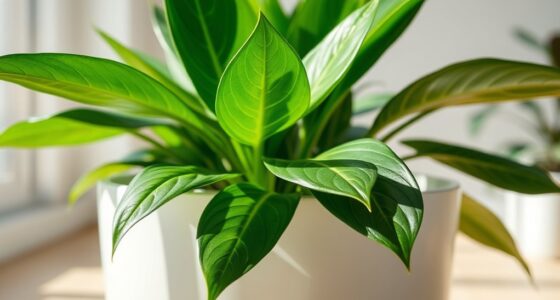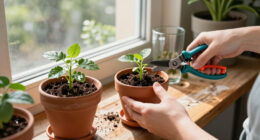
You may find that some indoor plants prefer tight pots because limiting root space encourages healthier, more vigorous growth and prevents root circling that can suffocate them. Smaller containers improve soil drainage, reduce waterlogging, and promote a strong root system. They’re also easier to move around and manage. If you’re curious about how tight pots can benefit plant health and growth, there’s more to discover that can help your plants thrive even in small spaces.

Get the little things that make your day delivered free with Prime
- Fast, free delivery on millions of items
- Prime Video, Amazon Music and more included
- Member-only deals all year
Key Takeaways
- Constrained roots promote dense, resilient root systems and prevent circling, encouraging healthier overall plant growth.
- Tight pots limit root expansion, stimulating natural growth habits and reducing the need for frequent repotting.
- Smaller soil volume dries out faster, allowing for better control of watering and soil moisture levels.
- Restricted space encourages compact growth, making plants easier to manage and maintain indoors.
- Root confinement enhances aeration and drainage, preventing waterlogging and root-related diseases.
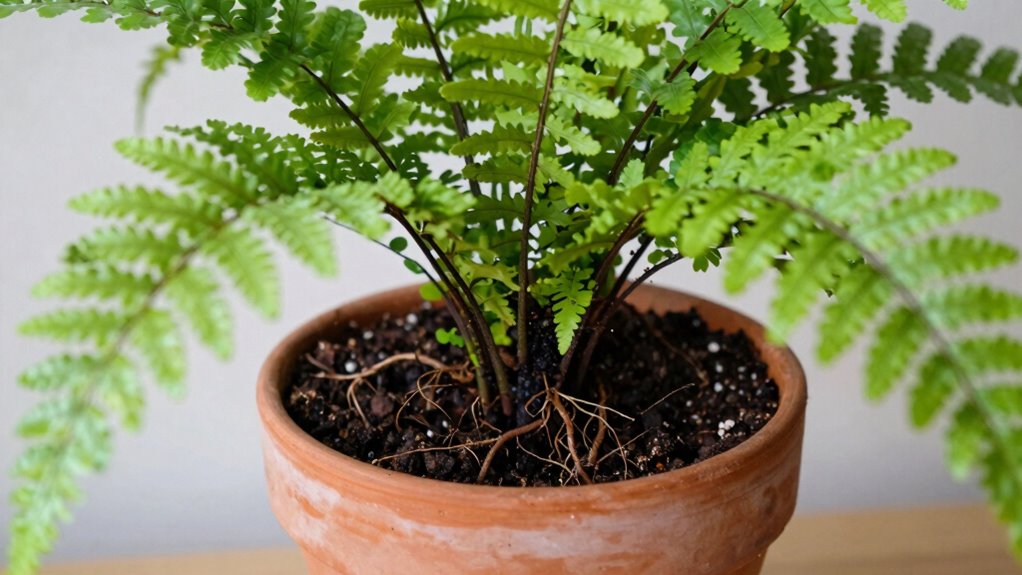
Even in small spaces, indoor plants can thrive if you choose the right containers. When considering the size of the pot, many assume bigger is always better, but some plants actually prefer tight pots. These smaller containers can promote healthier growth by encouraging a more controlled root environment. One reason for this is that tight pots often improve soil drainage, preventing excess water from lingering around the roots. When soil drains well, it reduces the risk of root rot and fungal infections, keeping your plant healthier over time. Additionally, roots tend to be more compact and concentrated in smaller pots, which can stimulate a plant’s natural growth habits and make maintenance easier.
You might think that a tight pot constrains a plant’s growth, but it actually encourages the roots to grow densely and develop a strong, resilient root system. When roots are confined, they grow more vigorously within their limited space, which can lead to a healthier, more stable plant overall. Just be sure to monitor soil moisture carefully; since the soil is in a smaller volume, it can dry out faster, so regular watering is essential. Proper watering ensures that the roots stay hydrated without becoming waterlogged, maintaining ideal soil moisture levels for root health. Furthermore, understanding how container size impacts root development can help you choose the best fit for your plant’s needs, ensuring optimal growth conditions.
Choosing a tight pot also helps you keep your indoor space tidy and manageable. Smaller containers are easier to move and position, making it simple to rearrange your plants to suit your decor or lighting conditions. Furthermore, tight pots can prevent root circling, a common problem when plants are in oversized pots for too long. Root circling occurs when roots grow in circles along the pot’s edges, which can eventually suffocate the plant. A snug fit discourages this behavior, promoting healthy root development that supports the plant’s overall vitality. Additionally, selecting pots made from breathable materials can enhance air circulation around the roots, further contributing to a healthy environment. It is also beneficial to pay attention to the soil composition, as the right mix can significantly influence drainage and aeration. Well-draining soil mixes are essential to avoid waterlogging and ensure that roots stay healthy. Aeration is key because it allows roots to breathe and access nutrients efficiently. Furthermore, understanding the effects of container size on root growth can help you make better planting decisions, especially for beginner plant owners. Properly sized containers, aligned with the plant’s growth habits, can prevent unnecessary repotting and support steady development. If you notice your plant isn’t thriving, check whether the soil drainage is adequate or if the roots are too crowded. Sometimes, repotting into a slightly larger container becomes necessary, but in most cases, a tight pot combined with proper soil drainage provides the perfect environment for many indoor plants. With the right approach, you’ll find that some plants truly flourish in smaller, snug containers.
As an affiliate, we earn on qualifying purchases.
Frequently Asked Questions
How Do Tight Pots Affect Root Growth Over Time?
Tight pots can cause root circling, where roots grow in circles instead of spreading out, which hampers healthy development. Over time, this limits nutrient and water absorption, leading to oxygen deprivation in the root zone. As a result, your plant’s growth slows, and it may become stressed or unhealthy. To prevent this, consider repotting into a slightly larger container to give roots room to expand and breathe.
Can Indoor Plants Thrive Long-Term in Small Containers?
Think of your indoor plant as a small explorer in a cozy cave; it can thrive long-term in a small container if you care for it properly. You’ll need to monitor soil moisture to prevent over- or under-watering, and keep an eye out for pests that might hide in tight spaces. Regularly check roots and repot when necessary, ensuring your plant remains healthy and happy in its snug home.
What Are Signs a Plant Needs a Bigger Pot?
You’ll notice your plant needs a bigger pot if the soil moisture stays overly wet or dry despite watering, indicating root crowding. Additionally, if it shows signs of nutrient deficiency like yellowing leaves or stunted growth, it’s a sign roots have outgrown the current space. Roots circling the pot’s edge or emerging from drainage holes also suggest it’s time for a larger container to support healthy growth.
Are There Specific Indoor Plants That Prefer Tight Pots?
Some indoor plants, like succulents and certain cacti, prefer tight pots because they promote healthy plant root growth by restricting root spread. You should consider container material choices that prevent excess moisture retention, like terracotta, to support root health. When choosing a pot, make certain it’s snug but not cramped, allowing roots to breathe while avoiding waterlogging, which can harm the plant.
How Often Should I Repot Plants in Tight Containers?
You should repot your plants in tight containers every one to two years, or when roots start circling the pot’s edges, to maintain healthy soil drainage and nutrient absorption. Regular repotting prevents root binding, promotes better airflow, and guarantees your plant continues to thrive. Keep an eye on soil moisture and plant growth, and don’t wait too long—timely repotting keeps your indoor plants happy and vigorous.
breathable ceramic plant containers
As an affiliate, we earn on qualifying purchases.
As an affiliate, we earn on qualifying purchases.
Conclusion
So, if you’re seeking a splendid, sustainable space-saving solution, consider cozying up your indoor plants in compact containers. Tight pots promote healthy roots, prevent overgrowth, and keep your greenery gorgeous without gobbling up all your space. With a little care and clever container choices, you’ll cultivate a charming, cheerful jungle that’s as compact as it is enthralling. Remember, sometimes smaller spaces spark bigger, brighter botanical brilliance!
drainage planter pots for indoor plants
As an affiliate, we earn on qualifying purchases.
As an affiliate, we earn on qualifying purchases.
As an affiliate, we earn on qualifying purchases.
Halloween Picks
halloween
As an affiliate, we earn on qualifying purchases.