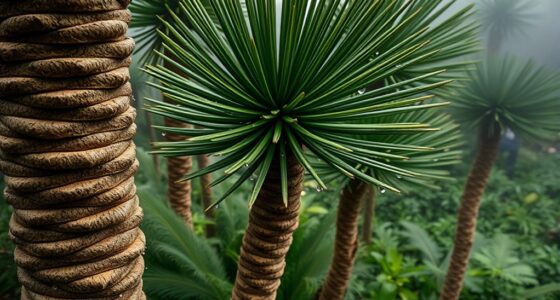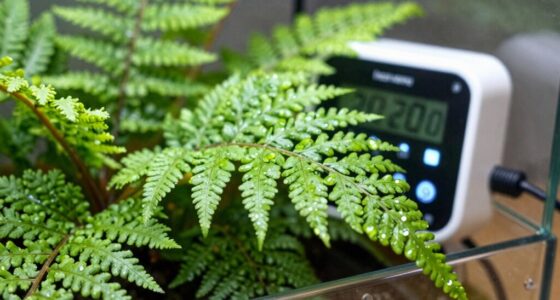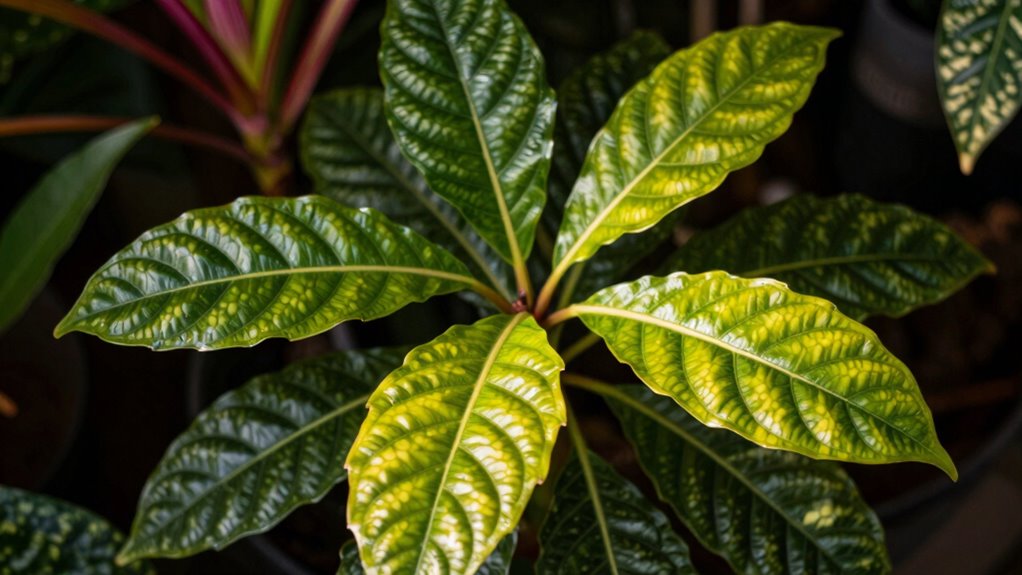

Many rare plants naturally grow in high-light environments, so they need stronger artificial lighting to thrive indoors. This is because they rely on intense light to perform photosynthesis efficiently and maintain their growth and health. Insufficient light can cause poor development or decline. To meet their needs, you should use lights with high PAR values, tailored spectrum, and proper duration. Keep exploring, and you’ll discover more ways to create ideal conditions for these unique plants.

Get the little things that make your day delivered free — and shop member deals
- Fast, free delivery on millions of items
- Access to Prime Big Deal Days deals on October 6–7
- Prime Video, Amazon Music and more included
Key Takeaways
- Many rare plants are adapted to high-light environments, requiring stronger artificial light to meet their energy needs.
- Insufficient light intensity limits photosynthesis, hindering growth and development of light-demanding species.
- High PAR values ensure enough usable light for efficient photosynthesis in plants accustomed to intense sunlight.
- Replicating natural habitat conditions, including light intensity, minimizes stress and promotes healthy growth.
- Stronger artificial lighting compensates for lower natural sunlight, supporting optimal flowering and vitality in rare plants.
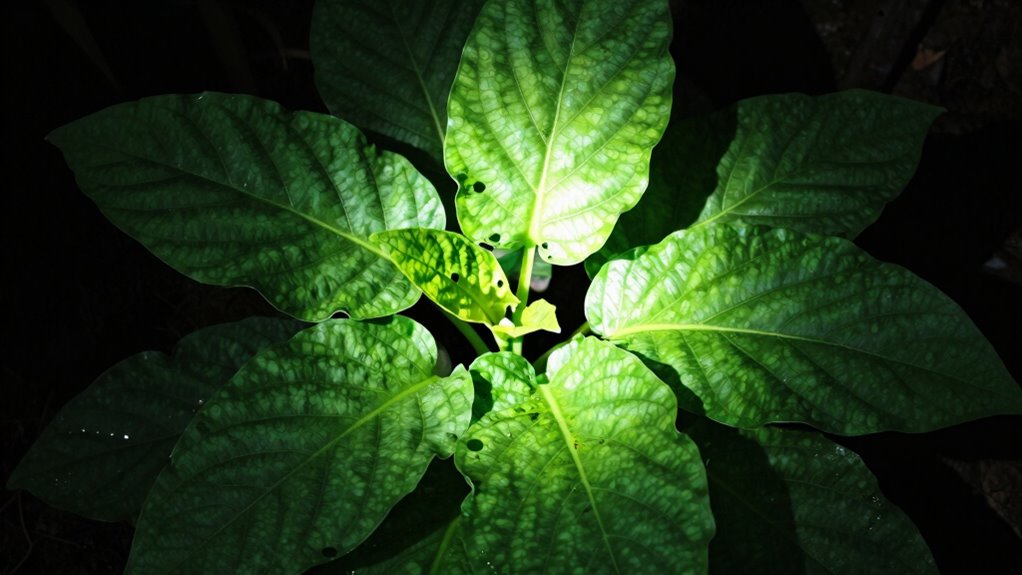
Many rare plants rely on natural sunlight for their growth and survival, but artificial light has become a valuable tool for enthusiasts and researchers aiming to protect and propagate these delicate species. These plants often come from environments with intense or specialized light conditions, making it challenging to replicate their natural habitat indoors. To guarantee they thrive, you need to understand why some of these plants require stronger artificial lighting. One key factor is photosynthesis efficiency. Rare plants typically depend heavily on photosynthesis to generate the energy they need for growth, flowering, and reproduction. If the light source isn’t intense enough or doesn’t emit the right light spectrum, their ability to photosynthesize efficiently drops, stunting their development or even leading to plant decline.
This is where light spectrum optimization plays a critical role. Different wavelengths of light influence photosynthesis differently, and many rare plants have evolved to absorb specific parts of the spectrum more effectively. For instance, some species may require more blue and red light, which are essential for photosynthesis, while others might need additional far-red or ultraviolet light to trigger flowering or enhance growth. When you set up artificial lighting, it’s not enough to simply provide bright light; you must tailor the spectrum to match the plant’s natural environment. This guarantees maximum photosynthesis efficiency, helping the plant produce the energy it needs to grow robustly.
Furthermore, many rare plants are adapted to environments where sunlight is intense and unfiltered, meaning they’re accustomed to high light levels. Replicating this indoors often requires stronger artificial lights, especially if you’re growing multiple specimens or in enclosed spaces. Using lights with high PAR (photosynthetically active radiation) values ensures the plants receive enough usable light for efficient photosynthesis. Without sufficient light intensity, even an optimized spectrum won’t be enough to sustain healthy growth. Additionally, understanding the natural habitat of each rare plant can help determine the appropriate light conditions needed for successful cultivation. Recognizing the importance of photosynthesis efficiency is essential for optimizing artificial lighting setups and ensuring the plants’ health. Increasing the light intensity can significantly improve growth outcomes, especially for species accustomed to intense sunlight. Considering the light spectrum is also crucial, as different plants have specific spectral needs for optimal development. A thorough understanding of their native environment can guide you in selecting the right lighting parameters, leading to better growth outcomes. You also need to contemplate the duration and consistency of light exposure. Many rare plants thrive under specific photoperiods, and irregular or insufficient lighting can stress them, reducing their photosynthesis efficiency and overall vitality. When you provide stronger, spectrum-optimized artificial light, you help recreate their natural conditions, encouraging healthy growth and flowering while minimizing stress. In essence, the right combination of intensity, spectrum, and duration guarantees that your rare plants receive the light they need to flourish, despite being removed from their native environments.
As an affiliate, we earn on qualifying purchases.
Frequently Asked Questions
How Do I Determine the Ideal Light Intensity for Rare Plants?
You determine the ideal light intensity for rare plants by observing their growth and adjusting based on their response. Keep soil moisture and plant humidity levels consistent, as these factors influence light needs. If the plant shows signs of stretching or pale leaves, increase light gradually. Conversely, if leaves scorch or curl, reduce intensity. Regularly monitor and tweak the light to match your plant’s specific requirements for healthy growth.
Can Too Much Artificial Light Harm Rare Plants?
Imagine a rare plant basking under a gentle, golden glow—too much artificial light can harm it, causing leaf burn or stress. You should be cautious with light duration and light color; prolonged exposure or overly intense, blue-toned lights can damage your plant. Always monitor its response, adjusting the light to mimic natural conditions, and avoid overexposure to keep your rare plants healthy and thriving.
What Types of Artificial Lights Are Best for Rare Plants?
You should choose full-spectrum LED lights for your rare plants, as they provide the ideal light spectrum that mimics natural sunlight, promoting healthy growth. Adjust the light duration to around 12-16 hours daily, depending on the plant’s needs. Avoid overly intense or prolonged exposure, which can stress your plants. Opt for adjustable fixtures to fine-tune both light spectrum and duration, ensuring your rare plants thrive indoors.
How Often Should I Adjust Artificial Light for Optimal Growth?
You should adjust artificial light as often as you observe your plant’s signs of stress or growth. Typically, during plant acclimation, tweak light duration weekly to prevent shock. Keep a close eye on leaf color and growth rate—if leaves turn yellow or growth stalls, reduce intensity or duration. Regular adjustments guarantee your rare plant thrives under ideal conditions, turning your space into a lush, vibrant oasis.
Are There Specific Light Wavelengths That Benefit Rare Plants?
Yes, specific light wavelengths benefit rare plants through wavelength optimization, which enhances photosynthesis. You should focus on blue and red wavelengths, as they are most effective for growth and flowering. Blue light promotes healthy foliage, while red light encourages flowering and fruiting. By providing the right balance of these wavelengths, you enhance photosynthesis and support your rare plants’ overall health, especially when natural light is limited.
full spectrum LED grow lights for indoor plants
As an affiliate, we earn on qualifying purchases.
As an affiliate, we earn on qualifying purchases.
Conclusion
If you’re caring for rare plants, providing stronger artificial light isn’t just a choice—it’s essential. These plants often thrive in intense lighting conditions, mimicking their natural habitats. Did you know that some orchids require up to 10,000 lux of light daily to flourish? By understanding their specific needs and investing in proper lighting, you give your rare plants the best chance to grow healthy and vibrant. So, don’t underestimate the power of good light—your plants will thank you!
strong artificial light for rare high-light plants
As an affiliate, we earn on qualifying purchases.
As an affiliate, we earn on qualifying purchases.
plant grow lights with adjustable spectrum
As an affiliate, we earn on qualifying purchases.
As an affiliate, we earn on qualifying purchases.
Fall Picks
fall essentials
As an affiliate, we earn on qualifying purchases.