
TL;DR
A seasonal orchid-care guide recommends checking moth orchids for emerging flower spikes and adjusting care as light levels fall and potting bark dries more slowly. The guide advises brighter indirect light, watering based on root and bark moisture, moderate cooler nights before spikes form, and avoiding sudden temperature changes around buds.
A seasonal care guide for moth orchids (Phalaenopsis) recommends six November adjustments as plants may begin producing flower spikes: check new growth, improve available light, water less often when bark stays damp, use moderate cooler nights before spikes form, reduce fertilizer as growth slows, and protect plants from drafts and temperature swings. The guide says these steps matter because shorter days and indoor heating can change light, humidity and drying conditions just as flower growth may be starting.

Get the little things that make your day delivered free with Prime
- Fast, free delivery on millions of items
- Prime Video, Amazon Music and more included
- Member-only deals all year
According to the care guide, new growth at a plant’s base may be a flower spike or an aerial root. It says roots have pointed tips and a spongy outer layer that appears silvery when dry and green after watering. A developing spike is green along its length and has a rounded, closed tip. The guide advises letting a spike grow several inches before loosely attaching it to a stake, taking care not to damage roots. Once flower buds appear, it recommends avoiding repeated pot rotation because the buds grow toward the available light.
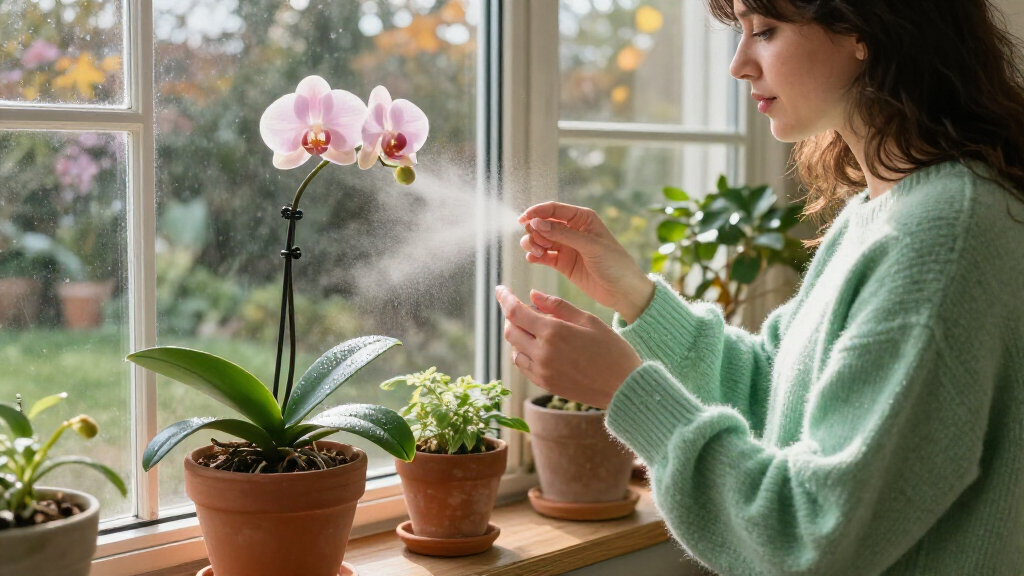
The guide says light and watering need to respond to the season. A location that was suitable in summer may now be too dim, while bark can remain wet longer in a cool room. It suggests an east-facing window or filtered light from south- or west-facing windows, while keeping leaves away from cold glass and strong afternoon sun. Rather than following a fixed watering calendar, the guide advises checking the roots and pot weight; when the mix is dry, soak it thoroughly and let it drain. It also says to tip out water left where the leaves meet.
For spike formation, the guide describes fall nights around 60–65°F (16–18°C) for a few weeks as potentially helpful, while advising that orchids stay above about 55°F (13°C). It says prolonged heat above 80°F (27°C) may also hold back spiking. The guide recommends reducing fertilizer as growth slows, with the amount depending on how actively the plant is growing. It notes that these recommendations are specific to moth orchids; other orchid types may need different winter conditions.
Prepare moth orchids for winter blooms
Shorter days and slower drying change orchid care in November. These six adjustments support spike growth while keeping expectations realistic.
Check growth and light
Look for early signs of a flower spike and make sure the plant still gets bright, indirect light.
Spot a developing spike
Roots have pointed tips; a spike is green with a rounded, closed tip.
Find brighter indirect light
Try an east-facing window or filtered south- or west-facing light. Keep leaves from cold glass and strong afternoon sun.
Water for the conditions
Cooler rooms and lower light can leave bark damp longer than it did in summer.
Use the plant’s moisture and potting mix, not a fixed watering calendar.
Soak thoroughly, let the pot drain, and tip water out from where the leaves meet.
Encourage spikes gently
Adjust care as growth slows and protect emerging flowers from sudden changes.
Keep buds steady
Once buds appear, avoid repeated pot rotation because they grow toward available light.
- Wait until it is several inches long.
- Attach it loosely to a stake without damaging roots.
- Keep conditions steady.
- Avoid drafts, cold windows, and heating vents.
Care Changes as Light Falls
The care guide identifies common seasonal risks for indoor orchids: low light can limit spike formation, and bark that stays wet for too long can leave roots vulnerable to damage. It also says sudden cold or hot air around developing buds may contribute to buds yellowing and dropping before they open.
The guide presents the steps as small adjustments based on a plant’s conditions rather than a rigid schedule. Checking roots and bark, moving a pot away from a draft, or adding suitable light can help a grower respond to changes in the home. The advice does not promise a particular flowering date or guarantee blooms; it describes ways to support a plant during the period when spikes may develop.
Products Worth Considering

Orbit B-hyve XD 4-Port Smart Hose Watering Timer with Wi-Fi Hub

EGO Power+ SNT2425 24-Inch Two-Stage Snow Blower with Two 7.5Ah Batteries and Dual-Port Charger

Husqvarna Automower 550 Robotic Lawn Mower
As an affiliate, we earn on qualifying purchases.
Why November Changes Orchid Care
The seasonal guide notes that moth orchids are commonly kept indoors, where seasonal changes affect conditions around their pots. In November, days are shorter and window light is reduced. The guide says heating systems can make indoor air drier, while cooler rooms and lower light can slow the drying of bark-based potting mix. A summer watering routine may therefore leave the roots wet longer than intended.
The guide frames November as a time to watch for early signs of flowering rather than assuming every plant will bloom on the same schedule. It says cooler fall temperatures can encourage spikes, with shorter days possibly contributing. The onset and timing of flowers still vary: blooms may be months away, and Christmas flowering is not assured.
Bloom Timing Varies by Plant
The source material is a care guide, not a report of a new study or an independently tested flowering schedule. It provides no research citations, comparative results or quantified estimate of how much these steps change the likelihood of blooms. Its temperature and care recommendations should therefore be read as practical guidance, not a guarantee.
Whether a particular orchid will form a spike in November, and when it will flower, depends on the plant and its growing conditions. The guide also does not give a complete fertilizer dose or schedule; it advises using diluted orchid fertilizer according to its directions and adjusting feeding to growth. It cautions that other orchid varieties may have different winter requirements.
Monitor Spikes and Buds
Over the coming weeks, the guide recommends checking new growth to distinguish roots from spikes, watching how quickly the potting mix dries, and adjusting light and watering as needed. If a spike develops, it advises staking it only after it has grown several inches, using a loose attachment that can be adjusted as it grows.
When buds appear, the guide recommends keeping conditions steady: do not rotate the pot unnecessarily, and avoid placing it near a draft, cold window or heating vent. It says flowering may take a couple of months or longer, so the next indicator will be the plant’s actual growth rather than a fixed holiday deadline.
Key Questions
How can I tell a flower spike from an orchid root?
According to the guide, roots have pointed tips and a spongy coating that can look silvery when dry and green when wet. A spike is green along its length and has a rounded, closed tip.
How often should I water a moth orchid in November?
The guide does not recommend a fixed interval. It advises checking the roots and the weight of the pot, then watering when the growing mix has dried and letting the pot drain fully. Bark may stay wet longer in a cool, dim room.
Do cooler nights guarantee winter flowers?
No. The guide says nights around 60–65°F (16–18°C) for a few weeks in fall can help encourage spikes, but it does not guarantee flowering or a particular bloom date.
Should I stop fertilizing my orchid in winter?
Not automatically. The guide recommends reducing feeding as growth slows, while adjusting to the plant’s activity and following the fertilizer label. It notes that other orchid types may need different winter care.
Source: gardeningknowhow.com