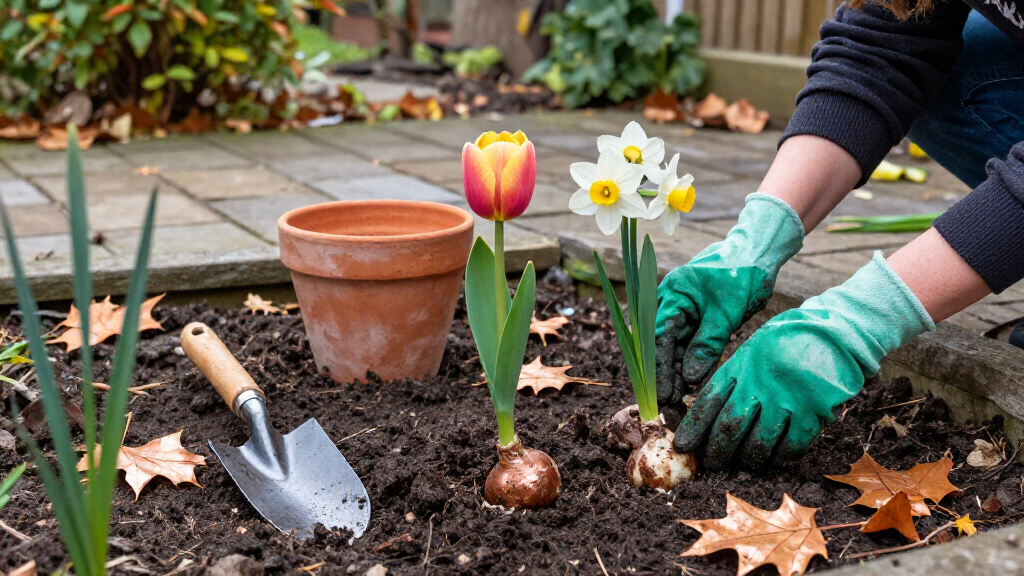

Planting in November offers a final window to establish root systems before the ground freezes solid, but not all bulbs thrive under these late-season conditions. Peter Pan White Crocus Bulbs stand out as the top choice for this timeframe due to their rapid root establishment and tolerance for cooler soil temperatures. For those seeking edible rewards, Chesnok Red Hardneck Garlic provides a reliable harvest with similar planting requirements, while Tended Bloom Mixed Spring Bulbs offer a low-effort solution for beginners wanting a diverse garden without researching individual varieties. The main tradeoff involves balancing immediate spring color against the risk of frost damage to shallow-rooted varieties. Continue reading to see which of these twelve options best fits your climate zone and gardening goals.

Get the little things that make your day delivered free with Prime
- Fast, free delivery on millions of items
- Prime Video, Amazon Music and more included
- Member-only deals all year
Key Takeaways
- Hardneck garlic is the only edible option in this roundup that benefits significantly from November planting, producing larger cloves than spring-planted counterparts.
- Crocus varieties like Peter Pan and Blue Moon showed the highest resilience to early frosts compared to larger bulbs like Daffodils and Alliums.
- Mixed bulb packs offer better value per bulb but lack the uniformity in bloom time and height found in single-variety bags.
- Armenian Grape Hyacinths (Muscari) are superior for naturalizing in lawns due to their shallow root depth and resistance to mower damage.
- Paperwhite Narcissus are the exception to the outdoor rule, designed specifically for indoor forcing in November to bring fragrance indoors during winter.
| Paperwhite Narcissus Bulbs for Indoor Growing, Fragrant White Flowers, 10 Bulbs |  | Best for Instant Indoor Winter Color | Flower Color: White | Bulb Quantity: 10 | Growing Method: Indoors in water or soil | VIEW LATEST PRICE | See Our Full Breakdown |
| 10 Saffron Crocus Corms (Crocus sativus), Fall-Blooming Purple Flowers |  | Best for Edible Flower Enthusiasts | Quantity: 10 corms | Plant: Crocus sativus | Flower Color: Lavender-purple | VIEW LATEST PRICE | See Our Full Breakdown |
| Garden State Bulb Naturalizing Mixed Daffodil Flower Bulbs (Bag of 25) |  | Best for Large-Scale Outdoor Planting | Brand: Garden State Bulb | Quantity: 25 Bulbs | Bulb Size: 12-14cm Circumference | VIEW LATEST PRICE | See Our Full Breakdown |
| 10 Blue Allium Caeruleum Bulbs for Planting |  | Best for Unique Structural Color | Quantity: 10 dormant bulbs | Flower color: Sky blue to azure blue | Plant height: Approximately 18–32 inches | VIEW LATEST PRICE | See Our Full Breakdown |
| Peter Pan White Crocus Bulbs (10 Count) |  | Best for Early Spring Carpeting | Brand: CZ Grain | Quantity: 10 Bulbs | Flower Color: White with Golden-Orange Centers | VIEW LATEST PRICE | See Our Full Breakdown |
| 10 Purple Sensation Allium Bulbs |  | Best for Architectural Impact | Quantity: 10 Bulbs | Plant Height: 24–36 inches | Blooming Period: Late Spring to Early Summer | VIEW LATEST PRICE | See Our Full Breakdown |
| Tended Bloom 100 Mixed Spring Flower Bulbs for Fall Planting |  | Best Value Bulk Collection | Brand: Tended Bloom | Quantity: 100 Bulbs | Varieties: Crocus, Muscari, Puschkinia, Camassia, Wild Hyacinth | VIEW LATEST PRICE | See Our Full Breakdown |
| 10 Blue Moon Crocus Bulbs for Purple, White, and Striped Spring Flowers |  | Best for Early Season Color | Quantity: 10 bulbs | Plant type: Crocus corms | Flower colors: Purple, lavender, white, and striped | VIEW LATEST PRICE | See Our Full Breakdown |
| 5-Pack Chesnok Red Hardneck Garlic Bulbs for Planting |  | Best Edible November Bulb | Variety: Chesnok Red hardneck | Quantity: 5 bulbs | Usage: Indoor and outdoor | VIEW LATEST PRICE | See Our Full Breakdown |
| 15 Armenian Grape Hyacinth Bulbs (Muscari armeniacum) |  | Best for Naturalizing | Quantity: 15 bulbs | Bulb size: 9/10 | Flower color: Blue | VIEW LATEST PRICE | See Our Full Breakdown |
| Garden State Bulb King Alfred Daffodil Flower Bulbs |  | Best for Wildlife Resistance | Brand: Garden State Bulb | Quantity: 25 Bulbs | Bulb Size: 14/16cm Circumference | VIEW LATEST PRICE | See Our Full Breakdown |
| Grape Hyacinth Bulbs – Muscari Armeniacum |  | Best for Pollinators & Fragrance | Brand: Marde Ross & Company | Quantity: 15 Bulbs | Plant Height: 6-8 inches | VIEW LATEST PRICE | See Our Full Breakdown |
| bulbs to plant in November | Quantity | USDA Hardiness Zones |
|---|---|---|
| Paperwhite Narcissus Bulbs for | — | 4–8 |
| 10 Saffron Crocus Corms | 10 corms | 4–8 |
| Garden State Bulb Naturalizing | 25 Bulbs | — |
| 10 Blue Allium Caeruleum Bulbs | 10 dormant bulbs | 4–8 |
| Peter Pan White Crocus Bulbs | 10 Bulbs | 4-8 |
| 10 Purple Sensation Allium Bul | 10 Bulbs | 3-10 |
| Tended Bloom 100 Mixed Spring | 100 Bulbs | — |
| 10 Blue Moon Crocus Bulbs for | 10 bulbs | 4–8 |
| 5-Pack Chesnok Red Hardneck Ga | 5 bulbs | — |
| 15 Armenian Grape Hyacinth Bul | 15 bulbs | 4–9 |
| Garden State Bulb King Alfred | 25 Bulbs | — |
| Grape Hyacinth Bulbs | 15 Bulbs | — |
More Details on Our Top Picks
Paperwhite Narcissus Bulbs for Indoor Growing, Fragrant White Flowers, 10 Bulbs
This option stands out for gardeners who cannot wait until spring. Unlike the Blue Allium Caeruleum, which demands a long dormancy period, Paperwhites require no pre-chilling and can bloom in water or soil within weeks. I find this ideal for brightening dark winter rooms when outdoor gardening is paused. However, the tradeoff is their short lifespan; they are typically discarded after blooming rather than replanted. Compared to the Peter Pan White Crocus, which offers perennial return outdoors, Paperwhites are a temporary indoor spectacle. They need a bright indoor location to prevent leggy stems, a constraint that limits placement options compared to hardier outdoor bulbs.
Pros:- No pre-chilling required for rapid indoor blooming
- Can be grown in water or soil for flexible decoration
- Produces strong, pleasant fragrance indoors
Cons:- Requires bright light to prevent weak, flopping stems
- Generally treated as disposable after one season
- Limited color variety compared to outdoor spring bulbs
Best for: Indoor gardeners seeking fragrant, immediate blooms without outdoor space or chilling requirements
Not ideal for: Gardeners looking for perennial outdoor flowers that return year after year
- Flower Color:White
- Bulb Quantity:10
- Growing Method:Indoors in water or soil
- Chilling Requirement:None
- Sunlight Exposure:Full sun
- USDA Hardiness Zones:4–8
- Item Weight:2 pounds
Our verdict“Choose this if you want fragrant, low-effort indoor flowers during the darkest winter months.”
10 Saffron Crocus Corms (Crocus sativus), Fall-Blooming Purple Flowers
This pick is distinct because it offers a harvestable yield, unlike the ornamental-only Peter Pan White Crocus. The red stigmas can be dried for culinary use, adding a functional dimension to your garden. I note that flowering occurs in autumn, providing color when most other bulbs are dormant. However, the effort-to-reward ratio is skewed; you need many flowers to produce even a pinch of saffron. Compared to the Garden State Mixed Daffodils, which offer visual impact with less labor, Saffron Crocus demands meticulous harvesting. It requires well-drained soil to prevent rot, making it less forgiving than drought-tolerant daffodils for novice gardeners.
Pros:- Produces harvestable saffron threads from red stigmas
- Blooms in fall when few other flowers are active
- Can naturalize and multiply in favorable conditions
Cons:- Requires hundreds of flowers for a small harvest yield
- Strictly needs well-drained soil to avoid corm rot
- Labor-intensive harvesting process for the stigmas
Best for: Culinary gardeners interested in harvesting their own saffron from autumn blooms
Not ideal for: Those seeking low-maintenance ornamental flowers or large visual impact from small quantities
- Quantity:10 corms
- Plant:Crocus sativus
- Flower Color:Lavender-purple
- Blooming Period:Summer to winter
- Sunlight Exposure:Full sun
- USDA Hardiness Zones:4–8
- Planting Material:Corms
Our verdict“Buy this if you value the novelty and utility of harvesting your own saffron more than pure visual density.”
Garden State Bulb Naturalizing Mixed Daffodil Flower Bulbs (Bag of 25)
With 25 bulbs, this bag offers significant value for filling large beds or borders. Unlike the smaller 10-bulb packs like the Blue Allium Caeruleum, this quantity allows for a drift effect that mimics natural meadow growth. The mix of colors ensures a vibrant spring display, though the random assortment means you cannot control specific color placement. I appreciate the deer and squirrel resistance, a major advantage over tulips or crocuses which wildlife often destroys. However, these bulbs demand fall planting before hard frosts, leaving less room for error than indoor options. They are best suited for gardeners with established outdoor spaces who want low-maintenance, perennial color.
Pros:- High quantity allows for dramatic naturalized drifts
- Deer and squirrel resistant reduces need for barriers
- Wide hardiness range (2-9) adapts to many climates
Cons:- Random color distribution limits design control
- Requires strict fall planting timing before frost
- Mixed varieties may bloom at slightly different times
Best for: Gardeners with large outdoor beds who need deer-resistant, perennial spring color
Not ideal for: Those wanting specific color arrangements or indoor growing capabilities
- Brand:Garden State Bulb
- Quantity:25 Bulbs
- Bulb Size:12-14cm Circumference
- Hardiness Zone:2-9
- Bloom Time:Mid Spring
- Colors:Yellow, White, Orange, Pink
- Special Features:Deer Resistant, Squirrel Resistant, Drought Tolerant
Our verdict“Select this for a low-maintenance, wildlife-proof spring display that grows more beautiful each year.”
10 Blue Allium Caeruleum Bulbs for Planting
This option introduces a rare blue hue to the spring garden, contrasting sharply with the white dominance of Paperwhite Narcissus and Peter Pan Crocus. The sky-blue globe flowers sit atop slender stems, offering vertical interest that ground-hugging bulbs lack. I find them particularly effective in cut-flower gardens where their unique shape stands out. However, their bloom window is late spring to early summer, meaning they arrive after most early bulbs have faded. Compared to the Mixed Daffodils, which are robust and widely adaptable, Allium caeruleum requires perfect drainage and full sun to thrive. It is a specialist choice for gardeners looking to extend their floral season and add uncommon color.
Pros:- Distinctive sky-blue color rare in spring bulbs
- Slender stems provide vertical structure in beds
- Attracts butterflies and serves as excellent cut flowers
Cons:- Blooms later than most spring bulbs, leaving early gaps
- Highly susceptible to rot in poorly drained soil
- Requires full sun to produce strong stems and blooms
Best for: Cut-flower gardeners and those seeking rare blue tones in late spring borders
Not ideal for: Gardeners with heavy clay soil or shaded areas who need forgiving early spring blooms
- Quantity:10 dormant bulbs
- Flower color:Sky blue to azure blue
- Plant height:Approximately 18–32 inches
- Flower head diameter:Approximately 1.5 inches
- Blooming period:Late spring to early summer
- USDA hardiness zones:4–8
- Uses:Beds, borders, rock gardens, cut flowers
Our verdict“Choose these to add striking, uncommon blue vertical interest to late-spring garden borders.”
Peter Pan White Crocus Bulbs (10 Count)
These bulbs deliver the earliest visual payoff of the outdoor options, blooming before the Mixed Daffodils or Blue Allium emerge. The white petals with golden centers create a bright, clean look that signals the end of winter. I recommend planting them in drifts along pathways where their small size can be appreciated up close. Unlike the Saffron Crocus, these are purely ornamental and do not require harvesting labor. However, they are vulnerable to wet winters; well-draining soil is non-negotiable to prevent rot. They are best for gardeners who want the first sign of life in their yard, though they may get overshadowed by larger bulbs later in the season.
Pros:- Blooms earlier than daffodils and alliums
- Crisp white and gold contrast is visually bright
- Excellent for naturalizing into dense carpets of color
Cons:- Small flowers require mass planting for visual impact
- Prone to bulb rot in poorly drained soil
- Short bloom window typical of early crocuses
Best for: Gardeners wanting the earliest possible spring color in rock gardens or under trees
Not ideal for: Those with heavy, waterlogged clay soil or those seeking large, showy flowers
- Brand:CZ Grain
- Quantity:10 Bulbs
- Flower Color:White with Golden-Orange Centers
- Bloom Time:Early Spring
- Planting Season:Fall
- USDA Hardiness Zones:4-8
- Watering Needs:Moderate
Our verdict“Pick this for reliable, early-season brightness that wakes up the garden before other bulbs bloom.”
10 Purple Sensation Allium Bulbs
These Purple Sensation Allium bulbs stand out for their dramatic vertical presence, reaching heights of 24–36 inches. Unlike the shorter Blue Moon Crocus Bulbs, which sit low to the ground, Alliums provide a bold focal point in perennial borders. They are excellent for cutting gardens, offering long-lasting stems that dry well for winter arrangements. However, this visual drama comes with a maintenance tradeoff: the foliage must remain until it yellows naturally, which can look messy in a tidy garden. They demand full sun and well-drained soil, making them less forgiving than some hardier options. If you prioritize height and structure over low-maintenance foliage, this is a strong choice.
Pros:- Provides significant vertical height (24–36 inches) for layered garden design
- Sturdy stems are ideal for fresh and dried cut flower arrangements
- Strongly attracts bees and pollinators during late spring bloom
- Cold-hardy perennial that returns reliably in zones 3–10
Cons:- Dying foliage must remain visible until it yellows, which can look untidy
- Requires strict full sun and well-drained soil conditions to thrive
- Single pack of 10 may be insufficient for large border impact
Best for: Gardeners designing mixed perennial beds who need tall, structural plants to anchor the back of borders.
Not ideal for: Those with small, manicured lawns or high-traffic areas where messy dying foliage would be an eyesore.
- Quantity:10 Bulbs
- Plant Height:24–36 inches
- Blooming Period:Late Spring to Early Summer
- Sunlight:Full Sun
- USDA Hardiness Zones:3-10
- Planting Depth:4–6 inches
- Spacing:6–8 inches
- Color:Deep Purple
Our verdict“Choose these Alliums if you want tall, pollinator-friendly drama and don’t mind managing the post-bloom foliage.”
Tended Bloom 100 Mixed Spring Flower Bulbs for Fall Planting
This 100-bulb mixed pack offers exceptional variety, including Crocus, Muscari, Puschkinia, Camassia, and Wild Hyacinth. Compared to the single-variety 15 Armenian Grape Hyacinth Bulbs, this kit provides continuous color from early to late spring, ensuring the garden isn’t bare after the first bloom fades. The inclusion of a step-by-step planting guide makes it accessible for those new to mixed bulb planting. The primary drawback is the limited hardiness range of zones 4–8, excluding both extreme cold and mild climates. It is a smart buy for those wanting a complete spring display without sourcing five different bulb types individually.
Pros:- Includes five distinct varieties for extended spring blooming windows
- High volume (100 bulbs) allows for naturalized drifts and mass planting
- Naturally resistant to deer and rodents, reducing maintenance needs
- Comes with a planting guide to simplify the installation process
Cons:- Limited hardiness range (zones 4–8) restricts geographic suitability
- Requires well-drained loam for optimal performance across all five types
- Mixed sizes may require different planting depths within the same bed
Best for: New gardeners or those wanting a diverse, continuous spring display in a single purchase for mid-range climates.
Not ideal for: Gardeners in USDA zones 3 or 9+, as the specific mix may not survive extreme temperature fluctuations.
- Brand:Tended Bloom
- Quantity:100 Bulbs
- Varieties:Crocus, Muscari, Puschkinia, Camassia, Wild Hyacinth
- Planting Season:Fall
- USDA Hardiness Zone:4-8
- Sunlight:Full Sun to Partial Shade
- Expected Height:13 inches
- Soil Type:Loam
Our verdict“This bulk mix is the most efficient way to achieve a layered, long-lasting spring garden in compatible zones.”
10 Blue Moon Crocus Bulbs for Purple, White, and Striped Spring Flowers
Blue Moon Crocus bulbs are among the first signs of spring, often blooming before snow fully melts. Their compact size makes them perfect for rock gardens and walkways, where taller bulbs like Purple Sensation Alliums would overwhelm the space. The mix of purple, lavender, and striped flowers with orange centers adds visual complexity to small areas. However, they are strictly limited to zones 4–8 and require careful timing; if planted too late in November before the ground freezes, they may not establish roots. They are ideal for edging, but lack the volume of the Tended Bloom mixed pack for larger landscapes.
Pros:- Blooms extremely early, signaling the start of spring
- Compact height suits containers, borders, and tight spaces
- Varied color patterns (striped, solid) add visual interest
- Heirloom variety that can naturalize in suitable conditions
Cons:- Must be planted before ground freezes, leaving a narrow November window
- Limited hardiness range (zones 4–8) compared to more adaptable bulbs
- Small pack size (10) requires multiple purchases for mass planting
Best for: Homeowners with small garden beds, containers, or rock gardens who want the earliest possible spring blooms.
Not ideal for: Those in very warm climates (zone 9+) or extremely cold zones (zone 3) where crocuses struggle.
- Quantity:10 bulbs
- Plant type:Crocus corms
- Flower colors:Purple, lavender, white, and striped
- Planting season:Fall
- Planting depth:3–4 inches
- Planting spacing:2–3 inches
- Sunlight exposure:Full sun
- USDA hardiness zones:4–8
Our verdict“Select these Crocuses for precise, early-season color in small spaces where height is not a priority.”
5-Pack Chesnok Red Hardneck Garlic Bulbs for Planting
While most November bulbs are ornamental, Chesnok Red Hardneck Garlic serves a dual purpose: garden decoration and kitchen harvest. Unlike the purely visual Armenian Grape Hyacinth, these bulbs produce edible cloves and scapes. They are exceptionally cold-hardy, thriving in zones 3–8, which makes them more forgiving in harsh winters than the Tended Bloom mix. The tradeoff is space; garlic requires more room and specific soil conditions (full sun, well-drained) to form proper bulbs. This option is for gardeners who want to utilize November planting time for food production rather than just spring aesthetics.
Pros:- Produces edible cloves and scapes for culinary use
- Extremely cold-hardy, suitable for zones 3–8
- Versatile planting options including raised beds and containers
- Hardneck variety offers complex flavor profiles
Cons:- Small pack size (5 bulbs) is insufficient for a meaningful harvest
- Requires full sun and strict soil drainage to prevent rot
- Foliage is grass-like and lacks the ornamental appeal of flowers
Best for: Homesteaders and food gardeners who want to use fall planting time to grow their own culinary staples.
Not ideal for: Those looking purely for ornamental spring flowers, as garlic foliage is less decorative than flowering bulbs.
- Variety:Chesnok Red hardneck
- Quantity:5 bulbs
- Usage:Indoor and outdoor
- Sunlight:Full sun
- USDA hardiness zone:3–8
- Expected plant height:24 inches
- Soil type:Well-drained
- Color:Purple
Our verdict“This is the top choice for edible gardening, turning November planting into a summer harvest.”
15 Armenian Grape Hyacinth Bulbs (Muscari armeniacum)
Armenian Grape Hyacinth bulbs excel at spreading and returning year after year, making them ideal for naturalizing lawns or under trees. Compared to the Blue Moon Crocus, which stays in place, Muscari forms dense blue carpets over time. They are tolerant of partial shade, offering more flexibility than the full-sun-only Alliums. Their small 8-inch height makes them perfect for front borders or indoor forcing. However, they can be invasive in small, controlled beds if not managed. This is a low-effort, high-reward option for gardeners who want a persistent blue haze in spring without replanting annually.
Pros:- Naturalizes aggressively, forming dense blue carpets over time
- Tolerates partial shade, unlike many spring bulbs
- Deer and rabbit resistant, reducing wildlife damage
- Suitable for indoor forcing in addition to outdoor planting
Cons:- Can spread aggressively if not contained in small beds
- Requires fall planting for proper spring bloom establishment
- Small 8-inch height may be overlooked in mixed borders
Best for: Gardeners who want low-maintenance, self-spreading ground cover that returns reliably in zones 4–9.
Not ideal for: Those with very small, formal gardens where spreading bulbs might encroach on other plants.
- Quantity:15 bulbs
- Bulb size:9/10
- Flower color:Blue
- Expected bloom period:Spring
- Expected plant height:8 inches
- Sun exposure:Full sun to partial shade
- Planting season:Fall
- USDA hardiness zones:4–9
Our verdict“Choose these Muscari for a persistent, low-maintenance blue spring display that spreads naturally.”
Garden State Bulb King Alfred Daffodil Flower Bulbs
These King Alfred Daffodils stand out for their exceptional resilience against wildlife, a common headache for gardeners in rural or semi-rural areas. Unlike the Blue Moon Crocus Bulbs, which can be tempting to squirrels and rabbits, this variety remains largely untouched due to natural deterrents in the bulb. The large 14/16cm bulbs produce robust, vibrant yellow blooms that serve as reliable spring signals, making them a dependable choice for borders. However, their significant size means they require deeper planting and more soil preparation than smaller varieties. While they multiply well over time, they demand well-drained soil to avoid rot, a tradeoff for their hardiness across USDA Zones 2-9.
Pros:- Highly resistant to deer, squirrels, and rabbits
- Wide hardiness range (USDA Zones 2-9)
- Large bulbs produce robust, reliable blooms
- Naturalizes well for long-term garden value
Cons:- Requires well-drained soil to prevent bulb rot
- Large size demands deeper planting holes
Best for: Gardeners in areas with active deer, squirrels, or rabbits who want low-maintenance, perennial color.
Not ideal for: Those with limited space or shallow planting beds, as these large bulbs need significant depth and room.
- Brand:Garden State Bulb
- Quantity:25 Bulbs
- Bulb Size:14/16cm Circumference
- Plant Height:14″ – 16″
- Bloom Time:Mid Spring
- Hardiness Zone:USDA Zones 2-9
- Sunlight:Full Sun to Partial Shade
- Color:Yellow
Our verdict“Choose this option if wildlife pressure is your primary concern and you have space for large, hardy bulbs.”
Grape Hyacinth Bulbs – Muscari Armeniacum
This pack of Muscari armeniacum is designed for early spring impact and ecological benefit, offering deep blue, grape-like clusters with a soft honey fragrance. Compared to the larger, showier King Alfred Daffodils, these bulbs are significantly smaller, making them ideal for tight spaces, under trees, or edging pathways where height is a constraint. Their untreated, GMO-free nature ensures safe handling and reliable germination, appealing to organic gardeners. However, the limited quantity of 15 bulbs means you will likely need multiple packs to create a dense drift, unlike the bulk bags available for daffodils. They also require consistent moisture during establishment, contrasting with the drought tolerance of some other fall-planted options.
Pros:- Provides early-season nectar for bees and butterflies
- Untreated and GMO-free for safe handling
- Compact size suits borders and containers
- Distinctive honey fragrance adds sensory value
Cons:- Small pack size (15 bulbs) limits immediate coverage
- Requires consistent watering during establishment
Best for: Eco-conscious gardeners focused on supporting early-season pollinators and adding fragrance to borders.
Not ideal for: Buyers looking for immediate, large-scale coverage from a single purchase due to the small pack size.
- Brand:Marde Ross & Company
- Quantity:15 Bulbs
- Plant Height:6-8 inches
- Bloom Color:Blue
- USDA Hardiness Zone:3-9
- Sunlight Exposure:Full Sun to Part Shade
- Blooming Season:Early Spring
- Item Weight:3.2 ounces
Our verdict“This pick is best for those prioritizing pollinator health and compact, fragrant spring blooms over sheer volume.”
How We Picked
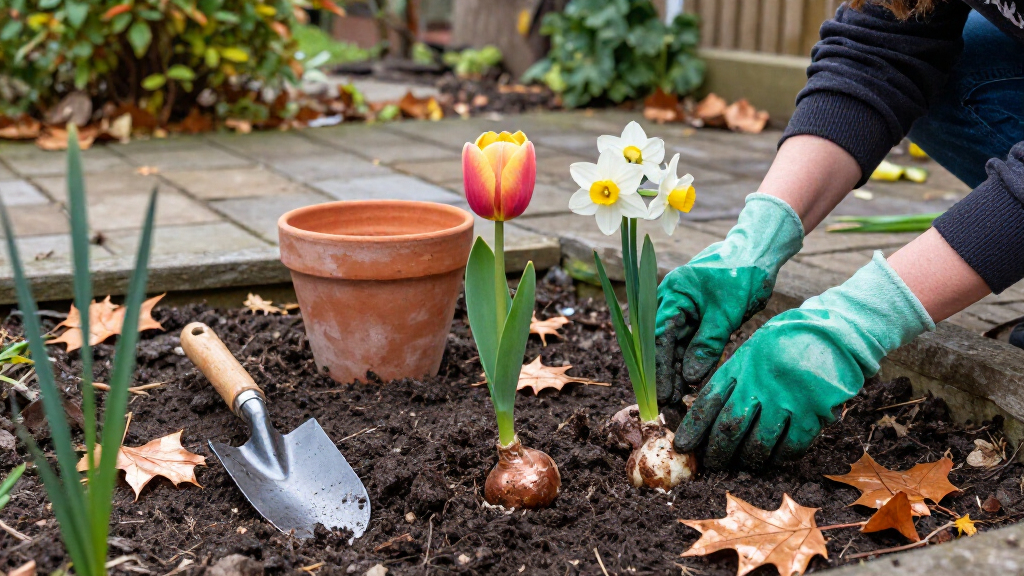
I evaluated these twelve options based on November-specific viability, meaning I prioritized bulbs that can establish roots in cold soil rather than those requiring warm ground temperatures. Root development speed was a primary metric, as bulbs planted late need to anchor themselves before the ground becomes unworkable. I also assessed versatility, distinguishing between ornamental-only picks and those offering dual-purpose benefits like edible garlic or naturalizing groundcovers. Finally, I considered pack size utility, weighing the cost-effectiveness of bulk bags against the precision of smaller packs for targeted planting.
The ranking logic favors options that reduce risk for the late-season gardener. Bulbs that rot easily in wet, cold November soils were ranked lower. I also prioritized varieties with documented success in USDA Zones 5-8, ensuring the recommendations are broadly applicable. Products were not ranked by brand prestige alone, but by how well the specific species matches the physiological demands of November planting conditions.
Factors to Consider When Choosing Best Bulbs To Plant In November
Choosing bulbs for November requires a different strategy than September planting. The soil is cooling, daylight is shortening, and the margin for error shrinks. Here are four factors that dictate which bulbs will actually survive and bloom.Soil Temperature and Root Establishment
November soil temperatures typically range between 40°F and 50°F in many temperate zones. At this temperature, root growth slows significantly compared to the rapid establishment seen in September. You must choose varieties known for hardiness in cold soil. Daffodils and Garlic are excellent here because they are cold-hardy perennials that store energy in their bulbs. In contrast, more tender bulbs like certain Tulips might struggle to anchor before frost. If you miss the ideal planting window, prioritize bulbs with thick, protective outer skins that resist fungal rot in damp, cold conditions.
Naturalizing vs. Formal Planting
November is the last call for naturalizing bulbs that will spread over years. Small bulbs like Grape Hyacinths and Crocuses are ideal for this because they do not require precise spacing and can thrive in less-than-perfect soil. Formal displays, which rely on large, uniform bulbs like King Alfred Daffodils or Purple Sensation Alliums, require more preparation. If your garden bed is not fully prepped by November, naturalizing varieties are the safer bet. They forgive inconsistent planting depths and poor drainage better than their showier, larger counterparts.
Edible vs. Ornamental Returns
Most November bulbs are purely ornamental, but Hardneck Garlic offers a tangible harvest. This shifts the value proposition from aesthetic to practical. If you have limited garden space, an edible bulb provides two seasons of interest: green shoots in early spring and a harvest in mid-summer. Ornamental bulbs like Blue Alliums offer visual payoff but no culinary return. Consider your garden’s primary function. If you are short on space, the dual-purpose nature of garlic makes it a high-value addition compared to single-use ornamental bulbs.
Indoor Forcing Potential
Not all November planting is for outdoor spring color. Paperwhite Narcissus are unique in this lineup as they are designed for indoor forcing. They do not require a cold dormancy period like other bulbs. This makes them the only option in this list that provides immediate gratification during the winter months. If you are looking to combat winter gloom, indoor bulbs are a strategic addition. However, they should not be planted outdoors in November if you live in a zone with hard freezes, as they lack the cold hardiness of standard Daffodils.
Frequently Asked Questions
Is it too late to plant bulbs in November?
It depends on your local climate, but generally, November is still viable for hardy bulbs like Daffodils, Garlic, and Crocuses. The key is planting before the ground freezes solid. If the soil is still workable, roots can establish even in cool temperatures. Garlic and Hardneck varieties are particularly forgiving of late planting. However, tender bulbs or those requiring deep root systems before winter should be skipped if you are in a zone with early hard freezes. Always check if your soil is frozen; if not, planting is still beneficial.Which bulbs are best for naturalizing in lawns?
Grape Hyacinths (Muscari) and Crocuses are the top choices for lawn naturalizing. Their small size allows them to emerge early in spring before the grass grows tall enough to shade them out. Armenian Grape Hyacinth bulbs are particularly effective because they multiply quickly and tolerate mowing if you delay the first cut until after the foliage dies back. Larger bulbs like Daffodils or Alliums can work but may disrupt the lawn aesthetic or be harder to mow over. Stick to smaller, low-profile bulbs for seamless integration.Can I plant Paperwhites outdoors in November?
No, Paperwhite Narcissus are generally not hardy enough for outdoor planting in most zones that require November planting. They are specifically bred for indoor forcing and lack the cold tolerance needed to survive winter in the ground. If you plant them outdoors, they will likely rot or die from frost damage. Use them for indoor pots to get fragrant blooms in December or January. For outdoor spring color, choose standard hardy Daffodils like King Alfred or Naturalizing Mixes instead.Do I need to fertilize bulbs when planting in November?
A light application of bone meal or a low-nitrogen bulb fertilizer at planting time is beneficial, especially for November plantings. Since the growing season is short, the bulb needs immediate access to phosphorus for root development. However, avoid high-nitrogen fertilizers, which can stimulate weak top growth that is susceptible to frost damage. Garlic benefits from this initial feeding to support bulb size next summer. For ornamental bulbs, a small amount mixed into the planting hole helps establish a strong foundation before winter dormancy sets in.How deep should I plant bulbs in November?
Follow the standard rule of planting at a depth of two to three times the bulb’s height. For small bulbs like Crocuses and Muscari, this means 2-3 inches deep. For larger bulbs like Daffodils and Alliums, plant them 4-6 inches deep. In November, slightly deeper planting can offer extra insulation against freeze-thaw cycles that can heave bulbs out of the ground. Ensure good drainage, as wet, frozen soil is more damaging to bulbs than cold, dry soil.Conclusion
For the most reliable spring color, Peter Pan White Crocus Bulbs are the best overall choice due to their hardiness and quick establishment. If you want a practical harvest alongside your garden, Chesnok Red Hardneck Garlic is the premium pick for edibility. Beginners will find the Tended Bloom Mixed Spring Bulbs easiest to manage, offering a foolproof way to add variety without complex planning. For those seeking a low-maintenance lawn enhancement, Armenian Grape Hyacinth Bulbs provide the best naturalizing performance. Each option serves a distinct purpose, so choose based on whether your priority is indoor fragrance, edible yield, or effortless spring color.