
TL;DR
A November poinsettia care guide recommends managing light, temperature and watering, while checking leaves for damage and pests. The advice is intended to help maintain healthy foliage and colorful bracts through the festive season; it does not guarantee that a plant kept from last year will rebloom.
A seasonal poinsettia care guide recommends five November steps to help the plants retain healthy leaves and colorful bracts through the festive season: provide bright indirect daylight, keep temperatures steady, water according to soil dryness, inspect for damage and pests, and maintain suitable conditions as winter heating begins. The advice also notes that getting a poinsettia kept from last Christmas to color again requires a sustained nightly darkness routine.

Get the little things that make your day delivered free with Prime
- Fast, free delivery on millions of items
- Prime Video, Amazon Music and more included
- Member-only deals all year
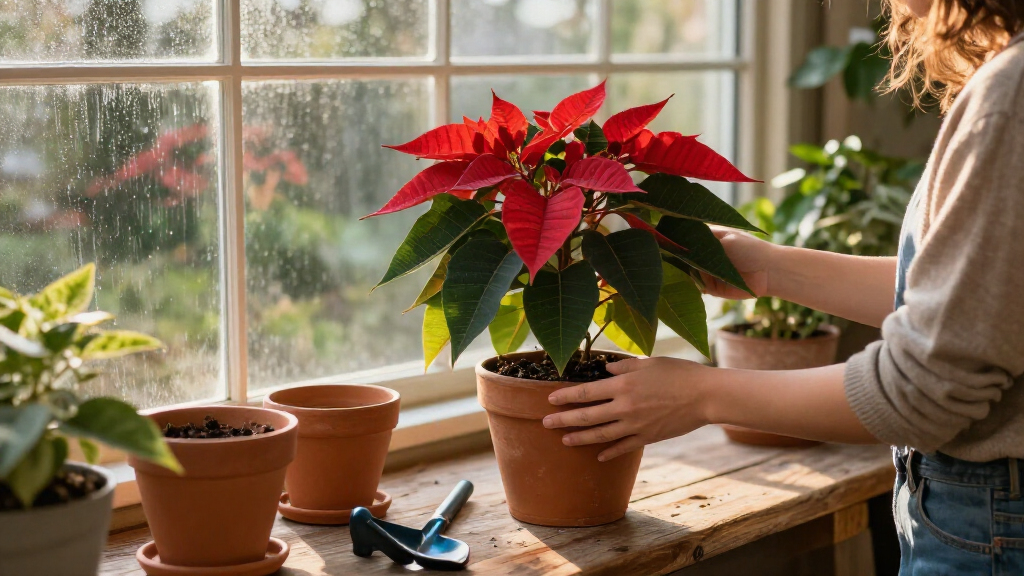
Poinsettias are tropical plants native to Mexico. Their familiar red, pink or cream display comes from modified leaves called bracts, which surround small yellow flowers. Shorter days and the start of indoor heating can change the conditions around the plant, making light, warmth and watering the main November care priorities in the guide.
For everyday display, the guide advises placing a poinsettia in a bright spot with indirect light, such as near an east- or west-facing window, while avoiding harsh direct sun. It recommends keeping the plant at about 65–70°F (18–21°C) and away from cold drafts, open doors, chilly windowsills, radiators and heating vents. Cold exposure while bringing a newly purchased plant home may also stress it; the guide advises asking the retailer to wrap it and taking it indoors promptly.
Watering should respond to the compost rather than a fixed calendar. The guide says to water when the top inch of compost feels dry, use room-temperature water, and let excess drain fully. Water left in a saucer or decorative outer pot can leave roots waterlogged. It also recommends removing fallen or damaged leaves, checking the undersides of leaves and stems for pests such as whitefly and mealybugs, and avoiding extensive pruning while the plant is being kept for its seasonal display.
Keep poinsettias colorful through Christmas
Five November care steps can help poinsettias keep healthy leaves and colorful bracts. Results depend on the plant and its growing conditions.
Five November care steps
Check the plant regularly and adjust its care as indoor conditions change.
Place it near an east- or west-facing window and avoid harsh direct sun.
Avoid cold drafts, chilly windowsills, radiators and heating vents.
Water when the top inch feels dry, then let excess drain fully.
Remove fallen or damaged leaves and check for whitefly and mealybugs.
Check light, temperature and compost as winter heating begins.
Everyday care and reblooming
A plant kept from last Christmas needs a consistent dark routine to encourage new bract color.
- Provide bright, indirect daylight.
- Keep temperatures steady and water when compost is dry.
- Provide about 14 uninterrupted hours of darkness nightly for 8–10 weeks.
- Artificial light can interfere; reblooming is not guaranteed.
Prevent common stress
Small checks can help owners respond before damage becomes more visible.
Avoid cold and heat
Keep the plant away from drafts, open doors and direct heat.
Let water drain
Water left in a saucer or outer pot can leave roots waterlogged.
Check for pests
Look under leaves and around stems; follow product labels for any treatment.
Protecting Bracts Through Winter
November care can affect whether a poinsettia remains presentable through the holiday period. Cold drafts, overheated air and waterlogged roots can contribute to leaf or bract deterioration and leaf drop, according to the supplied care guidance. Checking the plant’s position and compost regularly gives owners a chance to respond before stress becomes more visible.
The guidance also distinguishes routine care from reblooming. A poinsettia bought for this year’s display needs appropriate light, warmth and watering, while one kept from last Christmas needs a carefully controlled dark period to encourage new bract color. The latter takes sustained effort and should not be treated as a guaranteed result.
Products Worth Considering

Weber Searwood XL 600 Wood Pellet Smoker Grill, 36-Inch, Black

Garvee 8 × 10 ft Walk-In Polycarbonate Greenhouse

EAGLE PEAK 8 x 6 ft Pop-Up Walk-In Greenhouse, Clear and Green
As an affiliate, we earn on qualifying purchases.
How Poinsettias Develop Color
Poinsettias respond to changes in daylight as part of their seasonal flowering cycle. The source says that plants being encouraged to color again generally need about 14 uninterrupted hours of darkness each night for eight to 10 weeks. Artificial light during that dark period can interfere with the process.
For a plant already undergoing this routine, the guide advises continuing it until the bracts begin to develop color. At that point, the plant can return to its usual bright position and no longer needs to be covered at night. The supplied material does not identify a particular research study or gardening organization behind the recommendations; they are presented as practical seasonal care advice.
Reblooming Takes Consistency
The advice is a care guide, not a report of a new study or an announcement of a change in horticultural practice. It does not provide evidence that these steps guarantee a particular display, nor does it specify how individual plants will respond to differences in indoor conditions.
It is also unclear from the supplied material when a reader should have started the darkness routine to achieve color by a particular holiday date. The stated eight-to-10-week period means results depend on the plant’s timing and consistent darkness, and the source does not promise that every older poinsettia will rebloom. The fifth step’s description is incomplete in the source, so no additional specific instruction from that step can be confirmed.
Monitor the Plant Each Week
Owners can apply the guidance through November by checking the plant’s light exposure, room temperature and compost, then adjusting its position or watering as needed. Regular inspection for yellowing, wilting, fallen leaves or pests can help identify problems early. Any pest treatment should follow the product label, as the guide advises.
Anyone trying to bring an older poinsettia back into color should continue its nightly dark period consistently and watch for bracts beginning to change color. Once they do, the supplied advice is to stop covering the plant at night and return it to a bright location. The timing and strength of the display remain dependent on the plant and its growing conditions.
Key Questions
Where should I place a poinsettia in November?
Choose a bright location with indirect daylight, ideally near an east- or west-facing window. Keep the plant away from cold drafts and from hot, dry air close to radiators, fireplaces or heating vents.
How often should I water a poinsettia?
Check the compost rather than following a fixed schedule. Water when the top inch feels dry, then let excess water drain away. Do not leave the nursery pot standing in water.
Can a poinsettia from last Christmas turn colorful again?
The guide says it may be encouraged to develop colored bracts with about 14 hours of uninterrupted darkness each night for eight to 10 weeks. Small amounts of artificial light during that period can interfere; the source does not guarantee reblooming.
What temperature does a poinsettia prefer?
The supplied guidance recommends steady temperatures of about 65–70°F (18–21°C). Avoid placing the plant where it will face cold drafts or direct heat from a vent or radiator.
What should I do if the leaves are yellow or damaged?
Remove fallen leaves and carefully take away damaged foliage with clean, sharp scissors. Check under leaves and around stems for whitefly or mealybugs, and follow the label if using an appropriate houseplant treatment.
Source: homesandgardens.com