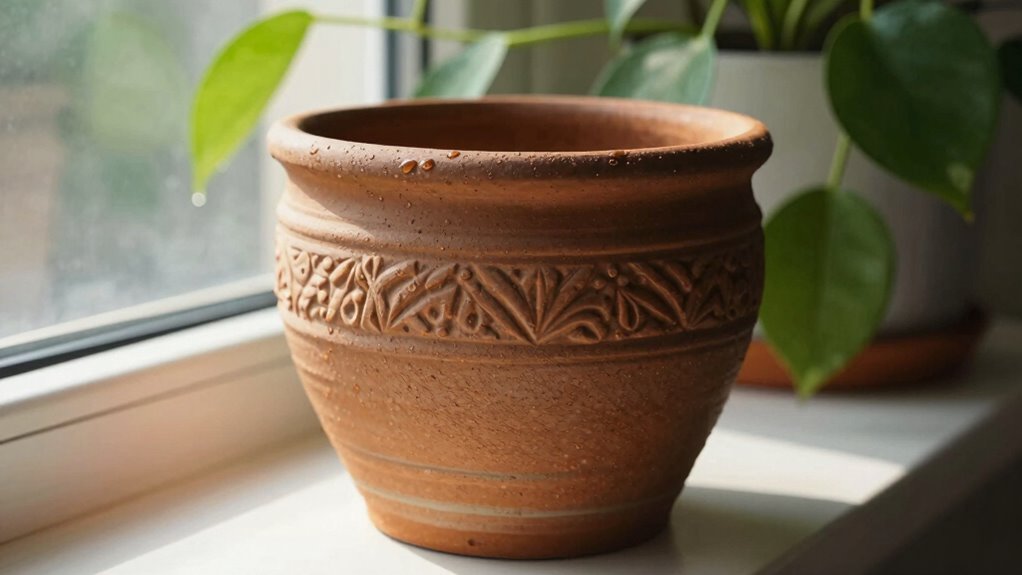

Ceramic pots improve indoor moisture retention by allowing air and moisture to pass through their porous walls. This helps prevent overwatering and keeps soil consistently moist, supporting healthy roots and reducing the risk of diseases. They also regulate temperature and humidity around your plants, creating a stable environment that promotes strong growth. Plus, their natural look adds aesthetic value. To discover how these benefits work together and improve your plant care, keep exploring the details.

Get the little things that make your day delivered free — and shop member deals
- Fast, free delivery on millions of items
- Access to Prime Big Deal Days deals on October 6–7
- Prime Video, Amazon Music and more included
Key Takeaways
- Ceramic pots’ porous walls allow air and moisture exchange, preventing overwatering and promoting healthy soil hydration indoors.
- They absorb excess moisture, reducing water pooling and helping maintain consistent soil moisture levels.
- Porosity enhances soil aeration, supporting strong root growth and preventing root rot indoors.
- Temperature regulation from ceramic pores stabilizes root environment and minimizes fungal issues.
- Aesthetic appeal of ceramic pots adds to indoor decor while naturally supporting healthier plant moisture balance.
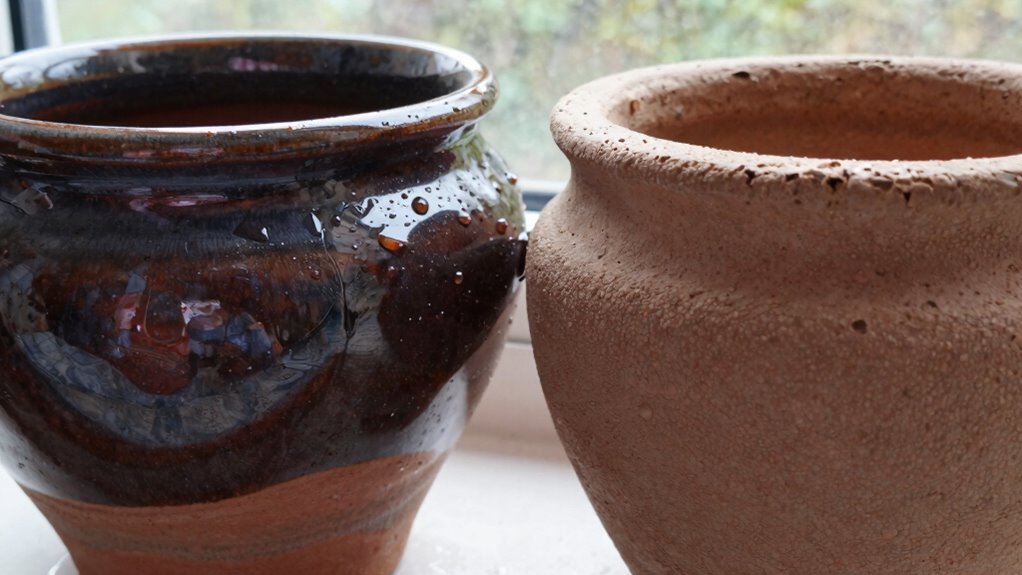
Have you ever wondered why some indoor plants thrive better in ceramic pots? It’s often because of how these pots influence moisture retention and the plant’s overall health. Ceramic pots are porous, meaning they allow air and moisture to pass through their walls. This characteristic plays a vital role in humidity regulation, helping keep the soil’s moisture levels more consistent. When you water your plant, the ceramic material absorbs some of the excess moisture, preventing water from pooling at the bottom. This absorption helps avoid overwatering, which can lead to root rot and other issues. At the same time, during dry periods, the ceramic’s ability to release stored moisture keeps the soil more humid, creating a stable environment for your plant’s roots. Proper water management is essential for maintaining healthy indoor plants, and ceramic pots support this by naturally balancing moisture levels.
Soil aeration is another benefit you gain when using ceramic pots. The porous nature of these containers allows air to circulate around the roots, promoting healthy root growth. Good soil aeration ensures that oxygen reaches the roots, which is essential for respiration and nutrient uptake. When roots are well-oxygenated, they grow stronger and are less susceptible to diseases caused by stagnant, waterlogged soil. This improved aeration also prevents the soil from compacting, which can happen in non-porous containers, especially if you tend to water frequently or overfill the pot. Additionally, the porous structure of ceramic pots can help regulate temperature fluctuations, creating a more stable environment for your plants’ roots. Incorporating moisture regulation techniques can further enhance the benefits of ceramic containers. For example, the natural breathability of ceramic allows excess moisture to evaporate more efficiently, reducing the risk of fungal issues. Using ceramic pots can also help reduce the frequency of watering, making plant care more manageable.
Because ceramic pots help balance moisture levels, you’re less likely to see extreme fluctuations that can stress your plants. The consistent humidity regulation means your indoor environment remains more stable, minimizing the risk of roots drying out or becoming waterlogged. This stability is especially beneficial for plants sensitive to moisture changes, like orchids or ferns. Furthermore, the natural properties of ceramic can help your plants develop a more resilient root system over time, as they adapt to the steady environment. The natural properties of ceramic contribute significantly to creating a healthier and more sustainable indoor gardening experience. Plus, their aesthetic appeal can enrich your interior decor, blending functionality with style.
Ceramic pots provide stable moisture levels, supporting healthy roots and reducing stress for moisture-sensitive plants like orchids and ferns.
In addition to these functional benefits, ceramic pots also add aesthetic value, making your indoor space look more polished and inviting. Their natural, earthy appearance complements a variety of interior styles while providing a practical environment for your plants. Overall, choosing ceramic pots can considerably improve how your plants manage moisture indoors, thanks to their humidity regulation and soil aeration qualities. This simple switch can lead to healthier, more vibrant plants that flourish in your home.
ceramic plant pots for indoor plants
As an affiliate, we earn on qualifying purchases.
As an affiliate, we earn on qualifying purchases.
Frequently Asked Questions
Do Ceramic Pots Require Special Drainage Setups for Indoor Use?
Yes, ceramic pots often need drainage modifications for indoor use to prevent water from accumulating. You should guarantee they have drainage holes or add a drainage layer to avoid overwatering. Humidity considerations are essential too, as ceramic retains moisture well, which can lead to root rot if not properly managed. Proper drainage setups help maintain ideal moisture levels and keep your plants healthy indoors.
Can Ceramic Pots Be Used for All Types of Indoor Plants?
Absolutely, ceramic pots can seem like the magic wand for all indoor plants, but not all are perfect matches. You need to take into account plant compatibility and pot material considerations—some plants thrive in ceramic’s porous nature, while others dislike the moisture retention or weight. For delicate, moisture-sensitive plants, ceramic might be too humid. So, assess your plant’s specific needs and choose the right ceramic pot to keep it happy.
How Often Should I Water Plants in Ceramic Pots?
You should water your plants in ceramic pots when the soil moisture feels dry to the touch, usually every 7 to 10 days. Keep an eye on the soil moisture level, as ceramic pots tend to dry out faster due to their porosity. Adjust your watering frequency based on the plant’s needs, the season, and indoor humidity, ensuring the soil stays evenly moist without becoming waterlogged.
Are Ceramic Pots Suitable for Very Humid Indoor Environments?
Ceramic pots are surprisingly resilient in very humid indoor environments. Their natural breathability helps with humidity regulation, preventing excess moisture from causing root rot. Unlike plastic, ceramic allows air to circulate around the roots, making them more suitable for high-humidity areas. So, if you’re worried about moisture buildup, ceramic pots act like a superhero shield, offering excellent material breathability and keeping your plants healthier in humid conditions.
Do Ceramic Pots Affect the Temperature of the Soil Indoors?
Ceramic pots do affect the temperature of the soil indoors by providing some soil insulation and aiding in temperature regulation. They tend to keep the soil cooler during hot days and retain warmth when it’s colder, helping maintain a stable environment for your plants. This temperature buffering can protect roots from extreme fluctuations, ensuring healthier growth. So, using ceramic pots can be beneficial for controlling indoor soil temperature effectively.
As an affiliate, we earn on qualifying purchases.
Conclusion
By choosing ceramic pots, you’re harnessing the magic of nature itself to keep your plants perfectly moist. These pots don’t just retain water—they transform your indoor space into a lush oasis, where your plants thrive effortlessly. With their incredible ability to moderate moisture, ceramic pots turn your gardening routine into a breeze and your home into a vibrant paradise. Get ready to witness your greenery flourish like a rainforest—ceramic pots truly are the game-changer!
ceramic pots with drainage holes
As an affiliate, we earn on qualifying purchases.
As an affiliate, we earn on qualifying purchases.
moisture regulating ceramic plant containers
As an affiliate, we earn on qualifying purchases.
As an affiliate, we earn on qualifying purchases.
NFL season / tailgating Picks
team gear
As an affiliate, we earn on qualifying purchases.