When choosing indoor plants for north-facing rooms, focus on low to medium light plants like pothos, snake plants, and ZZ plants, which thrive with limited sunlight. Position them near east-facing windows or use artificial grow lights to supplement natural light, keeping lights on 12-14 hours daily. Regularly dust leaves and avoid overwatering. Learning about the specific light needs of plants helps guarantee they stay healthy and vibrant—if you want to explore more, there’s plenty of tips to discover.
Key Takeaways
- Select plants with low to medium light requirements, such as pothos, snake plants, or ZZ plants.
- Position plants near east-facing windows or filtered light areas for optimal indirect sunlight.
- Use artificial grow lights for 12-14 hours daily to supplement limited natural light.
- Ensure well-draining soil and avoid overwatering to prevent root rot in low-light plants.
- Regularly dust leaves to maximize light absorption and maintain plant vibrancy.

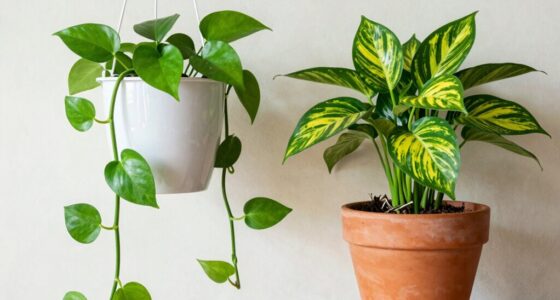
North-facing rooms often receive less direct sunlight, which can make selecting the right indoor plants challenging. You need to take into account their lighting requirements carefully to guarantee they thrive in the dimmer environment. Plants with low to medium light needs are your best bet here, as they can tolerate the subdued light without suffering. Plants such as pothos, snake plants, or ZZ plants are not only resilient but also require minimal plant maintenance, making them ideal for spaces with limited sunlight. Additionally, selecting plants with bright foliage can help maximize light absorption in low-light environments. Understanding the lighting requirements of your plants is essential to keeping them healthy. Even low-light plants need some indirect light to perform photosynthesis and stay vibrant. Position them near east-facing windows or places where they can catch filtered light, and avoid placing them in completely dark corners. If natural light is scarce, consider supplementing with artificial grow lights designed for indoor plants. This extra light helps mimic sunlight and supports their growth without requiring extensive plant maintenance from you. Just make certain the lights are on for about 12-14 hours a day and placed at an appropriate distance from your plants. Moreover, lighting requirements play a crucial role in choosing the right plants for your space, especially in low-light conditions.
Besides lighting, you should also think about how much water and nutrients your chosen plants need. Low-light plants generally require less frequent watering, as the slower growth rate means less water consumption. Overwatering is a common mistake that can lead to root rot, so always check the soil moisture before watering. Using well-draining soil also helps prevent water from sitting around the roots. Regularly dusting the leaves will keep their surfaces clean and improve their ability to absorb any available light, which is especially important in rooms with limited sunlight. Incorporating proper watering techniques can help ensure your plants stay healthy and prevent problems like root rot. Moreover, understanding the light needs of your indoor plants is crucial for their overall health and longevity.

Aokrean Plant Grow Light, 48 LEDs Full Spectrum Grow Lights for Indoor Plants, Height Adjustable Small Halo Grow Light with Base, 3 Optional Spectrums, Auto Timer 3/9/12Hrs, 10 Brightness, 3 Pack
NOTE: The product stand needs to be pressed down by the flower pot to be stable. Not wireless…
As an affiliate, we earn on qualifying purchases.
As an affiliate, we earn on qualifying purchases.
Frequently Asked Questions
Can I Grow Flowering Plants in a North-Facing Room?
Yes, you can grow flowering plants in a north-facing room. Opt for shade-tolerant varieties like peace lilies, philodendrons, or anthuriums, which thrive in lower light. You can also add fragrant flowering plants such as jasmine or gardenias to bring scent into your space. Keep in mind, these plants might need a bit more care, but with proper attention, they’ll brighten up your room beautifully.
How Often Should I Water Indoor Plants in Low Light?
Watering indoor plants in low light is like tending to a delicate songbird—you must be gentle. You should water them only when the top inch of soil feels dry, typically every 1-2 weeks. Keep an eye on moisture levels to prevent overwatering, which can lead to root rot. Adjust your watering schedule based on your plant’s needs and the environment, ensuring they stay healthy without excess water.
Are There Specific Fertilizers Suitable for North-Facing Rooms?
Yes, there are specific fertilizers suitable for north-facing rooms. You should choose balanced, slow-release fertilizers that meet your plants’ nutrient requirements, especially those rich in nitrogen, phosphorus, and potassium. Opt for liquid or organic options like fish emulsion or compost tea to provide steady nourishment without overfeeding. Regular, gentle feeding helps indoor plants thrive in low light, ensuring they get essential nutrients for healthy growth without stressing them.
How Do I Prevent Pests on Indoor Plants in Low Light?
Did you know that indoor pests can increase by up to 30% in low light conditions? To prevent pests on indoor plants in low light, regularly inspect your plants and keep leaves dry. Pest prevention involves removing dead leaves and avoiding overwatering, which attracts pests. Use natural remedies like neem oil or insecticidal soap, and guarantee good air circulation to discourage low light pests from settling.
What Are Signs of Overwatering Indoor Plants?
If you suspect overwatering, look for watering symptoms like yellowing leaves, wilting despite wet soil, and mold or a foul smell around the roots. Overwatering signs also include consistently soggy soil and root rot. You might notice the plant’s growth slowing down or leaves falling off unexpectedly. To prevent these issues, allow the soil to dry out between waterings, and guarantee your pot has proper drainage.
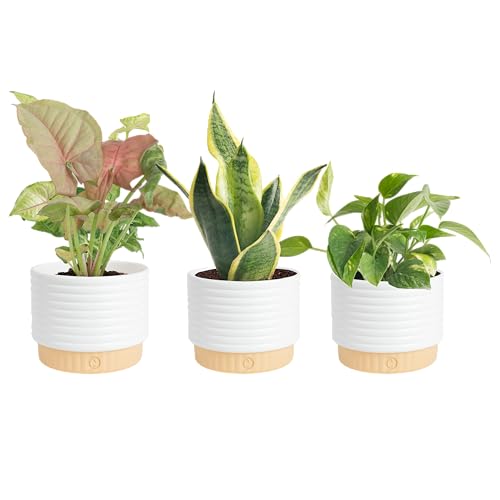
Costa Farms Live Indoor House Plants (3-Pack), Hand Selected Easy to Maintain Indoor Assorted Houseplants in Plant Pots, Curated Air Purifying Mix, Low Light, Home Office Decor Plant Gift
DECOR-READY LIVE INDOOR PLANTS: This 3-pack of houseplants offers incredible value to gift or instantly upgrade any space….
As an affiliate, we earn on qualifying purchases.
As an affiliate, we earn on qualifying purchases.
Conclusion
Now that you know how to select the right indoor plants for north-facing rooms, you’re all set to turn your space into a lush haven. Remember, it’s not always about having a green thumb, but about understanding your environment and playing to its strengths. With a bit of patience and care, even the shiest little plant can thrive. So, don’t be afraid to give it a shot—after all, every garden starts with a single seed.
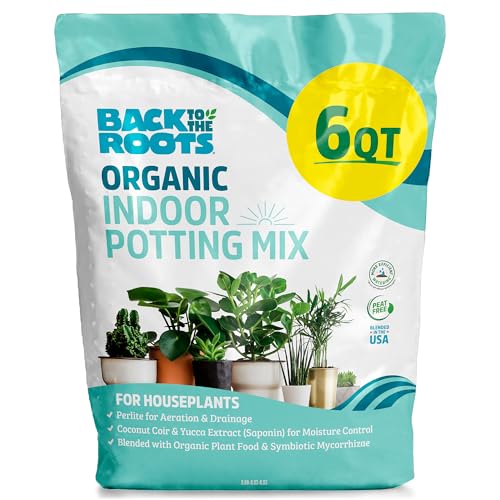
Back to the Roots 100% Organic Indoor Potting Mix (6 Quart), Promotes Healthy Houseplant Growth, Made in The USA
Includes 6qt of Back to the Roots Indoor Potting Mix. Our Potting Mix contains organic yucca extract that…
As an affiliate, we earn on qualifying purchases.
As an affiliate, we earn on qualifying purchases.

Southside Plant Cactus & Succulent Plants Cleaning Brushes – Wooden Handles w/Soft Goat Hair Bristles – Garden Cleaning Tools, Gentle on Plants, 7" & 3.2" Sizes – Pack of 2
Solving for Spikes: Avoid the prickles with our unique brushes designed for safely cleaning between spines and spikes,…
As an affiliate, we earn on qualifying purchases.
As an affiliate, we earn on qualifying purchases.