Dusty leaves block sunlight from reaching the chloroplasts, which reduces your plant’s ability to photosynthesize effectively. This leads to slower growth, yellowing leaves, and a weaker overall plant. Additionally, dust provides hiding spots for pests like aphids and mites, further damaging your plant. When leaves are dirty, it’s harder to spot pests or disease early. Keeping your leaves clean boosts photosynthesis and prevents infestations, helping your plants stay healthier and more vibrant. To learn more, keep going.

Get the little things that make your day delivered free with Prime
- Fast, free delivery on millions of items
- Prime Video, Amazon Music and more included
- Member-only deals all year
Key Takeaways
- Dust blocks sunlight from reaching chloroplasts, decreasing photosynthesis efficiency.
- Accumulated dust creates a barrier that hampers leaf respiration and nutrient exchange.
- Dust provides hiding spots for pests, increasing infestation risks and plant damage.
- Dusty leaves make it harder to spot early signs of pests or diseases.
- Reduced photosynthesis and pest problems lead to weakened plant growth and vitality.

Dusty leaves can markedly hinder the growth and health of your indoor plants. When dust accumulates on the surface of leaves, it creates a barrier that blocks sunlight from reaching the plant’s chloroplasts. This reduces photosynthesis efficiency, which is crucial for the plant to produce the energy it needs to grow. Without enough light absorption, your plants may become stunted, exhibit yellowing leaves, or show overall signs of poor health. The more dust that settles on the foliage, the less effective your plants become at converting light into the energy they require, ultimately impacting their vitality and longevity.
Dusty leaves can block sunlight, reducing photosynthesis and harming your indoor plant’s growth and health.
Beyond hampering photosynthesis, dusty leaves also attract pests. The dust can serve as a hiding place or breeding ground for common indoor pests like spider mites, aphids, and mealybugs. These pests are drawn to the residue because it provides cover and promotes a humid environment that many pests thrive in. Once pests settle in, they can damage your plants by feeding on their sap, causing further stress and weakening their defenses. This creates a vicious cycle: as pests multiply, they increase dust buildup through their secretions and shed skins, further impairing the plant’s ability to photosynthesize efficiently. The presence of pests not only diminishes your plant’s health but also makes it more susceptible to diseases, which can spread rapidly if not managed.
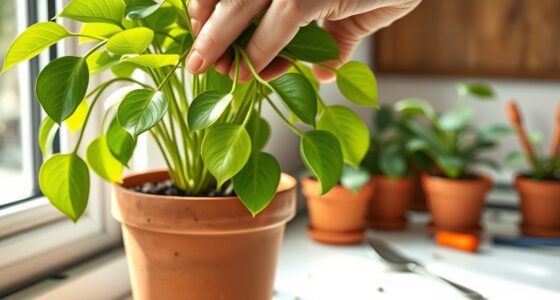
Regularly cleaning your plant’s leaves is a simple yet effective way to preserve optimal photosynthesis efficiency and prevent pest attraction. Using a soft cloth or a gentle spray of water to wipe away dust helps ensure that sunlight can penetrate the leaf surface without obstruction. When leaves are free of dust, your plant can more effectively harness the available light, converting it into essential energy. Additionally, clean leaves make it easier to spot early signs of pest infestation or disease, allowing you to take prompt action before the problem escalates.
Neglecting to remove dust not only diminishes your plant’s ability to thrive but also increases the likelihood of pest issues that can become difficult to control. In turn, pest-infested and dusty leaves create a cycle that hampers the plant’s overall performance and aesthetic appeal. By maintaining clean foliage, you promote a healthier environment for your indoor plants, ensuring they stay vibrant, vigorous, and resilient. Ultimately, just a few minutes of regular leaf cleaning can make a significant difference in your plant’s growth, health, and longevity.
indoor plant leaf cleaning spray
As an affiliate, we earn on qualifying purchases.
As an affiliate, we earn on qualifying purchases.
Frequently Asked Questions
How Often Should I Clean My Indoor Plant Leaves?
You should clean your indoor plant leaves about once every two weeks. Regular plant dust removal helps keep leaves clear of dust buildup, which can block sunlight and hinder photosynthesis. Adjust cleaning frequency based on your environment; if your home is dusty or your plants are near windows or vents, you might need to clean more often. Use a damp cloth or gentle spray to maintain healthy, vibrant leaves.
Can Dusty Leaves Cause Plant Diseases?
Dusty leaves can definitely invite plant pest susceptibility, making your plant more prone to pests and diseases. When leaves are covered in grime, photosynthesis efficiency drops, weakening your plant’s health. This creates a perfect environment for mold and bacteria to breed, increasing the risk of plant diseases. Regularly cleaning your indoor plant leaves helps keep pests at bay, boosts photosynthesis, and promotes healthier, happier plants.
Does Leaf Dust Affect Plant Watering Needs?
Dust accumulation on your plant leaves can impact its watering needs by reducing photosynthesis efficiency. When dust covers the leaves, it blocks sunlight, making it harder for your plant to produce energy. As a result, your plant may need more water to compensate for the decreased photosynthesis. Regularly cleaning the leaves helps maintain healthy photosynthesis, ensuring your plant stays balanced and properly hydrated.
Are Some Plants More Sensitive to Dust Than Others?
Yes, some plant species are more sensitive to dust accumulation than others. For example, delicate or broad-leafed plants tend to trap more dust, which can block sunlight and hinder photosynthesis. You should regularly clean dust-sensitive plants to keep them healthy. Conversely, hardy species with smaller or textured leaves are more tolerant of dust. Understanding each plant’s specific needs helps you maintain ideal growth and prevents dust from negatively impacting their performance.
Can Dust Buildup Impact Plant Growth Rate?
Dust buildup can secretly sabotage your plant’s growth. When dust accumulates on leaves, it blocks sunlight, reducing photosynthesis efficiency. This slowdown hampers energy production, stunting growth and weakening your plant over time. You might not notice immediately, but the impact is real. Regularly cleaning your plant leaves guarantees maximum sunlight absorption, keeping your indoor greenery healthy, vibrant, and thriving. Don’t let dust hold back your plant’s potential.
As an affiliate, we earn on qualifying purchases.
Conclusion
Don’t ignore dusty leaves—they block sunlight and hinder your plant’s ability to photosynthesize, which directly affects its health. You might think wiping leaves is just cosmetic, but it’s essential for thriving indoor plants. If you skip this step, your plants won’t grow as strong or vibrant. So, take a few moments to clean those leaves regularly. Your indoor garden will thank you with lush, healthy growth—proving that a simple touch makes a big difference.
As an affiliate, we earn on qualifying purchases.
As an affiliate, we earn on qualifying purchases.
NFL season / tailgating Picks
team gear
As an affiliate, we earn on qualifying purchases.