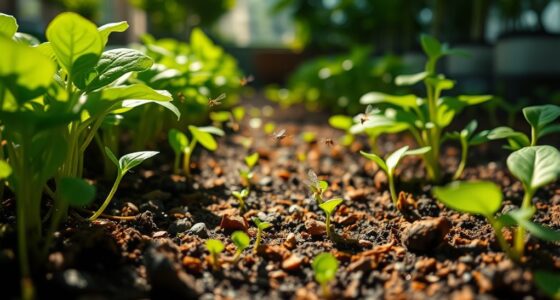
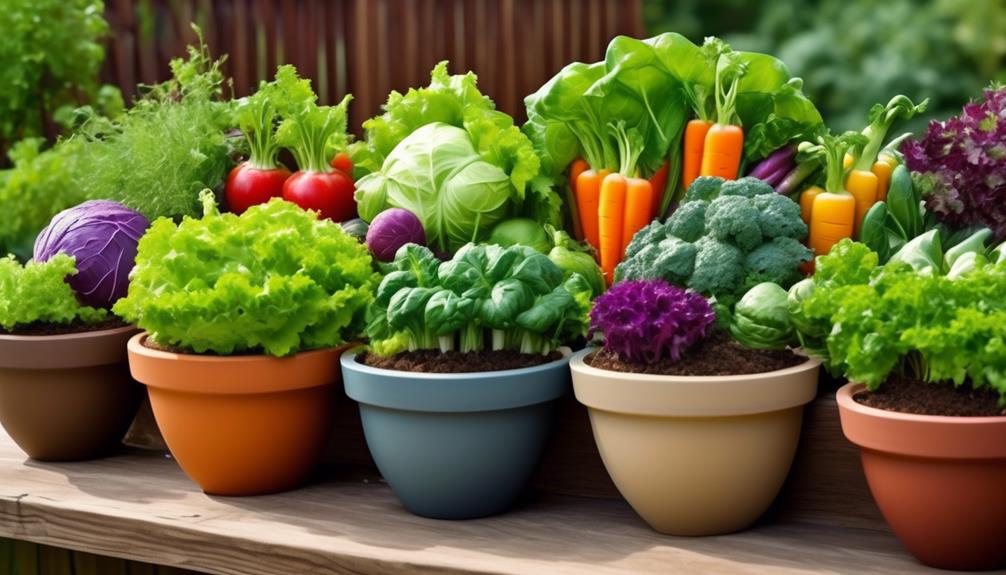
To group indoor plants by care style, start by observing their watering and light needs. Place plants with similar requirements—like those that need frequent watering or bright light—together. Use labels and designated zones to keep routines simple and effective. Adjust based on plant response, checking soil moisture and light levels regularly. Organizing like this makes maintenance easier and promotes healthier plants. Keep exploring for more tips to optimize your plant care system.

Get the little things that make your day delivered free — and shop member deals
- Fast, free delivery on millions of items
- Access to Prime Big Deal Days deals on October 6–7
- Prime Video, Amazon Music and more included
Key Takeaways
- Observe each plant’s watering frequency and light needs to determine their care requirements.
- Categorize plants into groups based on similar watering schedules, such as frequent or infrequent watering.
- Position plants with similar light preferences together to ensure proper light exposure.
- Label plant groups to streamline maintenance routines and prevent care mistakes.
- Adjust watering and lighting setups within groups to optimize plant health over time.

Grouping indoor plants by care style can make maintaining your greenery easier and more enjoyable. When you organize your plants based on their watering frequency and light requirements, you create a system that simplifies daily care and reduces frustration. Instead of juggling different schedules, you can focus on specific zones or groups where plants share similar needs, making watering and lighting adjustments more efficient.
Start by observing your plants closely. Some thrive with frequent watering, like ferns or pothos, which need their soil kept consistently moist. Others, such as succulents or snake plants, prefer infrequent watering, allowing the soil to dry out completely between drinks. By categorizing plants this way, you can set up watering routines that suit each group’s needs, avoiding over- or under-watering. This approach not only conserves water but also promotes healthier plants, as each group receives the appropriate amount of moisture without guesswork. Recognizing the importance of plant health can further guide your grouping strategy to ensure optimal growth.
Observe your plants closely to create tailored watering routines that promote healthier, thriving greenery.
Next, consider light requirements. Some plants flourish in bright, direct sunlight, while others prefer low-light conditions. For example, a fiddle leaf fig needs plenty of bright, indirect light, whereas a ZZ plant can thrive in the shade or dim corners. Grouping plants by their light needs means you can place them in suitable spots from the start, reducing the need to move them around or provide supplemental lighting. It also helps you manage your space more effectively, creating dedicated zones with the right lighting setup for each group. Additionally, incorporating appropriate lighting solutions can enhance growth and health for each group, especially in areas with limited natural light. Being aware of light requirements ensures each plant receives the optimal environment for growth. Furthermore, understanding the specific care needs of each group can help prevent common issues like etiolation or overexposure.
As you organize your plants, think about combining plants with similar needs into the same group or zone. Place high-light, low-water plants near windows with unobstructed sunlight, and keep low-light, moisture-loving plants in shaded corners. Labeling these groups can further streamline your routine, so every time you water or adjust lighting, you know exactly which plants to care for together. This method minimizes mistakes, like overwatering a cactus or exposing a fern to too much direct sunlight.
Finally, maintaining these groups is straightforward. When watering, check the moisture level of each group’s soil rather than individual plants, saving time and reducing errors. When adjusting lighting, you can set up dedicated grow lights or move entire groups to optimize conditions based on their shared needs. Over time, you’ll develop a rhythm that keeps your indoor garden healthy and vibrant, all while reducing the stress of constant decision-making. Incorporating plant care knowledge can further enhance your success. Grouping your plants by care style transforms indoor gardening into a more manageable and enjoyable activity, ensuring your greenery stays lush and thriving with less effort.
indoor plant watering can with measurement
As an affiliate, we earn on qualifying purchases.
As an affiliate, we earn on qualifying purchases.
Frequently Asked Questions
How Do I Identify Different Care Styles for My Indoor Plants?
You identify different care styles for your indoor plants by observing their needs, focusing on plant lighting and watering frequency. For example, some plants thrive in bright, direct light and need frequent watering, while others prefer low light and infrequent watering. Pay attention to how your plants respond—wilting or yellowing signals overwatering or underwatering. Group plants with similar needs together to make caring for them easier and more efficient.
Can Plants With Different Care Needs Be Grouped Together Successfully?
Did you know that mixing plants with different care needs can work if you focus on plant compatibility and care flexibility? You can successfully group plants with varying requirements, but you’ll need to adapt your routine. For example, place drought-tolerant succulents near moisture-loving ferns, and adjust watering and lighting accordingly. By understanding each plant’s specific needs, you create a harmonious, thriving indoor garden that’s both beautiful and manageable.
What Tools Are Best for Organizing Indoor Plant Groups?
You should use plant labeling and soil management tools to organize indoor plant groups effectively. Label each plant with clear tags to identify their care needs, making it easier to group plants with similar requirements. Use soil moisture meters to monitor watering needs and guarantee proper soil management. Additionally, storage containers or trays help keep your plants organized, prevent soil spillage, and maintain a tidy indoor space.
How Often Should I Rotate Plants Within Their Groups?
You should rotate your indoor plants within their groups every few weeks to guarantee even growth and exposure. During rotation, check their watering frequency and sunlight requirements to prevent over- or under-watering, and to make certain they receive appropriate light. Regularly adjusting their position helps maintain healthy, balanced growth, especially if some plants need more sunlight than others. Keep an eye on their specific care needs for the best results.
Are There Aesthetic Benefits to Grouping Plants by Care Style?
Think of plant arrangement as a painter’s palette, blending different hues and textures to create visual harmony. Grouping your plants by care style adds an aesthetic rhythm, like a well-composed symphony. This method not only simplifies maintenance but also enhances the overall look, making your space feel intentional and serene. By aligning plants with similar needs, you craft a cohesive display that pleases the eye and nurtures each plant’s well-being.
As an affiliate, we earn on qualifying purchases.
Conclusion
Grouping your indoor plants by care style simplifies your routine, clarifies your priorities, and creates a harmonious space. It helps you water with confidence, fertilize with consistency, and adjust lighting with purpose. It saves time, reduces stress, and enhances your plant’s well-being. So, organize your plants by their needs, tailor your care, and enjoy a thriving indoor garden that’s easy to manage, beautiful to behold, and rewarding to nurture. Your plants—and your peace of mind—will thank you.
As an affiliate, we earn on qualifying purchases.
As an affiliate, we earn on qualifying purchases.
NFL season / tailgating Picks
team gear
As an affiliate, we earn on qualifying purchases.