
Summer dormancy in rare bulbs and plants is a natural rest period that helps them survive heat, drought, and seasonal stress. During this time, they often retreat underground, conserving energy and nutrients needed for future growth. Recognizing signs of dormancy prevents unnecessary watering or disturbance, supporting healthy development. Understanding how to manage this cycle guarantees your plants stay resilient and vigorous. To discover more ways to nurture these plants during their rest, keep exploring this essential topic.
Key Takeaways
- Summer dormancy helps rare bulbs and plants survive heat and drought by entering a natural rest period underground.
- Recognizing dormancy signs prevents unnecessary watering or disturbance during their resting phase.
- Proper handling during dormancy, such as reducing watering and avoiding disturbance, ensures healthy propagation and growth.
- Mimicking natural dormancy cycles enhances drought tolerance and promotes strong bulb development for future growth.
- Understanding seasonal rest periods supports sustainable gardening and successful cultivation of rare bulb species.
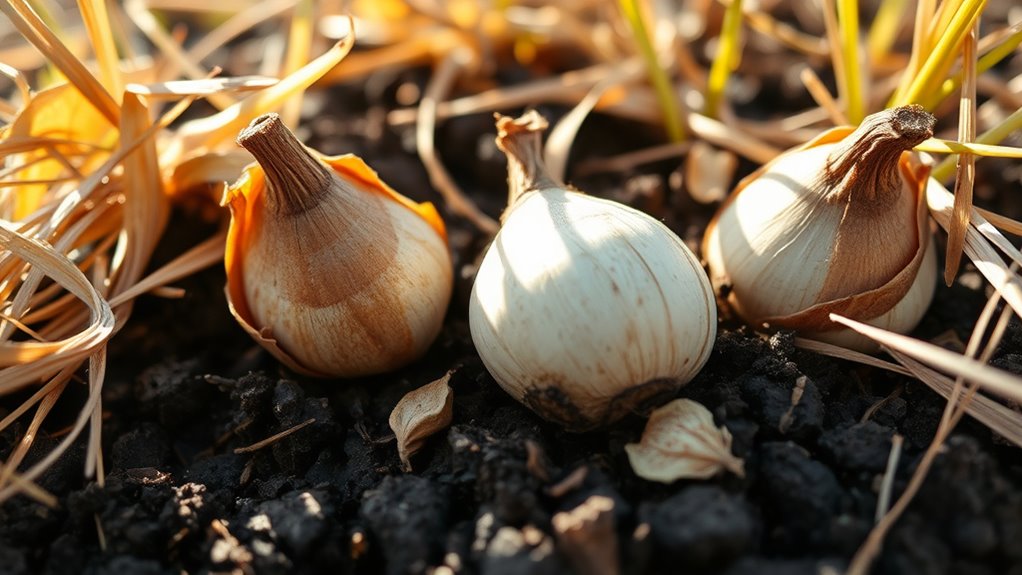
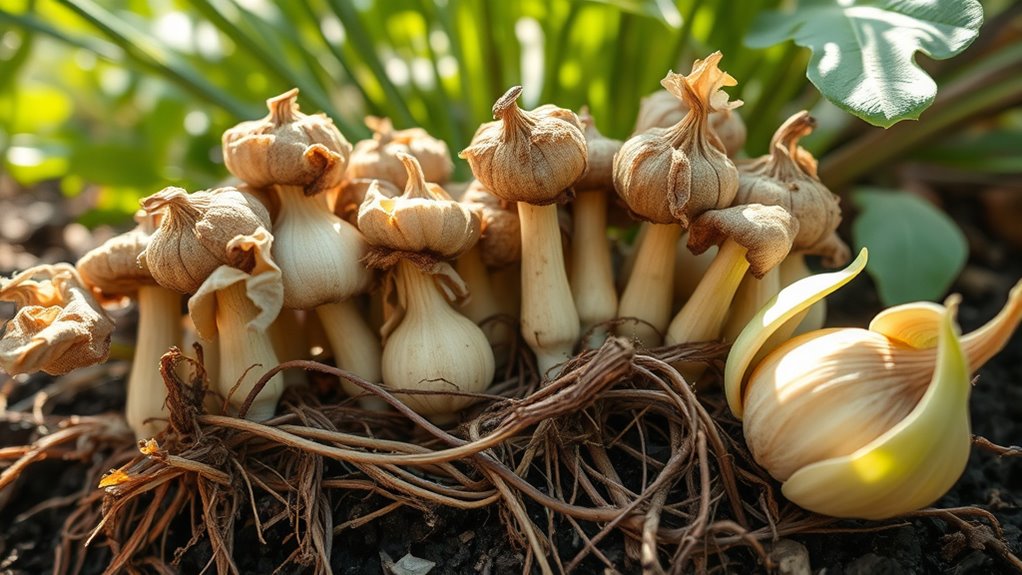
During the hot summer months, many rare bulbs and plants naturally enter a period of dormancy to survive the heat and drought conditions. This seasonal rest is vital for their survival, allowing them to conserve energy and withstand prolonged dry spells. Understanding this dormancy is key to successful cultivation, especially if you’re interested in bulb propagation or enhancing drought tolerance in your garden. When these plants go dormant, they often retreat underground, storing nutrients in their bulbs or tubers, which act as reservoirs for future growth. Recognizing the signs of dormancy helps you avoid unnecessary watering or disturbance, ensuring the plants remain healthy and ready to re-emerge when conditions improve.
If you’re cultivating rare bulbs, knowing how to handle them during dormancy becomes essential. Many bulbs, such as certain species of lilies or alliums, require a period of rest to develop new roots and shoots for the next season. During dormancy, you should typically reduce watering and avoid disturbing the bulbs, which are actively storing energy underground. When the time is right, usually in the cooler months, you can carefully propagate these bulbs by dividing clumps or planting new offsets, a process known as bulb propagation. This not only preserves the plant’s genetic lineage but also helps you expand your collection or improve drought tolerance across your garden. Proper bulb propagation during dormancy ensures that the plants are healthy and vigorous when they emerge, giving you a better chance at thriving, drought-tolerant specimens.
Drought tolerance is another vital factor linked to summer dormancy. Many rare bulbs have naturally adapted to arid environments by entering dormancy during the hottest months, reducing water needs and preventing dehydration. By mimicking these natural cycles, you can cultivate plants that are more resilient to drought, reducing your reliance on frequent watering and making your garden more sustainable. To promote drought tolerance, choose species known for their ability to survive dry conditions and respect their dormancy periods by minimizing watering during summer. This approach encourages the plants to develop robust bulbs capable of storing more nutrients, which helps them withstand drought in subsequent seasons.
Frequently Asked Questions
How Can I Identify if My Plant Is Entering Dormancy?
When trying to identify if your plant is entering dormancy, look for signs of dormancy like slowed growth, fewer or no new leaves, and changes in foliage. You might notice the foliage turns yellow or brown, and the plant appears less vigorous. These changes indicate it’s resting, especially during its seasonal cycle. Recognizing these signs helps you adjust care to support your plant’s health through its rest period.
What Are the Best Practices for Watering During Dormancy?
During dormancy, you should adjust your watering schedule to prevent overwatering while maintaining appropriate moisture levels. Water sparingly, only when the soil feels dry to the touch, typically once every few weeks. Avoid letting the soil completely dry out, as this can harm the plant. Keep in mind, the goal is to maintain just enough moisture to prevent the bulbs from shriveling, ensuring a healthy restart when growth resumes.
Can Dormant Plants Be Overwintered Indoors?
You can definitely overwinter dormant plants indoors, but proper indoor overwintering and dormancy care are essential. Keep the plants in a cool, dark place with minimal watering to avoid rot. Make certain they get some indirect light, and avoid disturbing their rest. This approach helps them stay healthy through winter, so they’ll bounce back when conditions improve. Just remember, proper dormancy management is key to successful indoor overwintering.
Are There Specific Soil Conditions That Promote Dormancy?
You should pay attention to soil composition and moisture levels to promote dormancy. Well-draining soil with the right balance of organic matter helps roots breathe and prevents rot, encouraging a natural rest period. Keep moisture levels moderate—avoid overwatering—so the plant isn’t kept constantly wet, which can disrupt dormancy. Proper soil conditions signal to the plant that it’s time to rest, helping it stay healthy for future growth.
How Do I Revive a Plant After Its Dormancy Period Ends?
Ever wonder how to revive a plant after dormancy? First, stop delaying—gently remove any dead foliage and give it a thorough watering. Then, apply a balanced fertilizer to boost growth and keep pests at bay. As new shoots emerge, maintain consistent moisture and monitor for pests. With patience and care, your plant will bloom again, revealing its vibrant life just waiting to be awakened.
Conclusion
Understanding summer dormancy helps you appreciate the incredible resilience of rare bulbs and plants, which rest during the hottest months to survive harsh conditions. By respecting their seasonal rhythms, you ensure their survival and vibrant rebirth each year. Think of summer dormancy as nature’s most delicate yet powerful secret—an astonishing pause that keeps these plants thriving against all odds. Embrace their seasonal rest, and you’ll witness a botanical miracle that’s truly nothing short of awe-inspiring.