To revive wilting indoor plants, start by checking their roots for signs of rot or damage and repot in well-draining soil. Adjust your watering habits—water only when the top inch of soil is dry to prevent overwatering or underwatering. Improve air circulation and eliminate pests like aphids or spider mites that weaken your plant. Addressing these issues and maintaining a suitable environment will help your plant bounce back; keep going to discover more effective tips.

Get the little things that make your day delivered free with Prime
- Fast, free delivery on millions of items
- Prime Video, Amazon Music and more included
- Member-only deals all year
Key Takeaways
- Check and improve soil drainage; repot if roots show signs of rot.
- Water only when the top inch of soil is dry to prevent overwatering.
- Inspect for pests, remove them manually, and treat with insecticidal soap if needed.
- Increase air circulation and maintain proper humidity to discourage pests and reduce stress.
- Regularly monitor soil moisture with tools or automation to ensure consistent, appropriate watering.

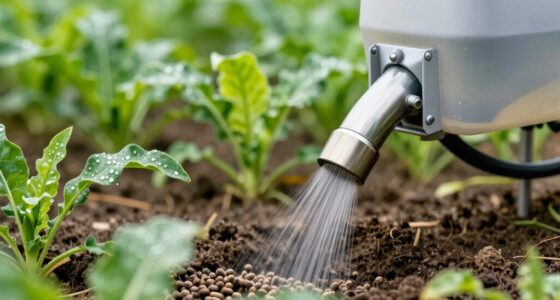
Have your indoor plants started to wilt and leave you wondering what went wrong? Wilting is a common sign that your plant isn’t thriving, but the good news is, you can often revive it with some targeted actions. One of the first things to check is the soil drainage. Poor drainage can cause water to accumulate around the roots, leading to root rot and dehydration, which make the plant droop. To address this, gently remove the plant from its pot and examine the roots. If they look brown or mushy, you’ll need to trim away the damaged parts. Consider repotting your plant in a container with better soil drainage, such as one mixed with perlite or sand, to prevent water from sitting around the roots. Make certain the new pot has drainage holes so excess water can escape. When watering your plant, do so thoroughly but only when the top inch of soil feels dry. Overwatering is a common mistake that can suffocate roots and cause wilting, so establishing a consistent watering schedule helps keep the soil moisture balanced. Additionally, some plants benefit from the integration of automation technologies that can help monitor soil moisture levels and automate watering schedules to prevent overwatering or underwatering.
Another vital factor in reviving your plant is pest control. Pests like aphids, spider mites, or mealybugs can weaken your plant by feeding on its sap, leading to stress and wilting. Take a close look at the undersides of leaves, stems, and soil surface for any signs of pests. If you spot insects, remove them manually with a soft cloth or spray the plant with a gentle insecticidal soap. Regularly inspecting your plants can prevent pest populations from getting out of control. Sometimes, pests hide in the soil, feeding on roots, further aggravating the plant’s decline. In such cases, repotting with fresh, sterile soil can help eliminate hidden pests and provide a healthier environment. Additionally, increasing air circulation around your plants and maintaining proper humidity levels can deter pests and promote overall health.
indoor plant watering can with measurement
As an affiliate, we earn on qualifying purchases.
As an affiliate, we earn on qualifying purchases.
Frequently Asked Questions
Can Overwatering Cause Indoor Plants to Wilt?
Yes, overwatering can cause your indoor plants to wilt. Watering issues like excess moisture lead to poor soil drainage, which causes roots to suffocate and rot. When roots can’t absorb nutrients properly, plants show signs of stress, including wilting. To prevent this, make certain you water only when the topsoil feels dry and use pots with proper drainage holes. This helps keep moisture levels balanced and keeps your plants healthy.
How Do I Identify Root Rot in My Plant?
Root rot looks like a sponge squeezed too tightly, turning dark and mushy. To identify it, gently remove your plant from its pot and check the roots. Healthy roots are white or light tan and firm, while rotted roots are black or brown, slimy, and soft. Poor soil drainage often causes root rot, so make certain your plant’s soil drains well and inspect root health regularly to prevent further damage.
What Are Natural Remedies for Wilting Plants?
To revive wilting indoor plants naturally, start by adjusting humidity control around your plant, like misting or using a humidifier. You can also apply organic pesticides if pests are causing stress. Make certain your plant gets proper watering—neither too much nor too little—and place it in a spot with adequate light. These natural remedies help restore your plant’s health without chemicals, encouraging lush, vibrant growth.
How Often Should I Fertilize Indoor Plants?
You should fertilize your indoor plants every 4 to 6 weeks during the growing season to prevent nutrient deficiency. A proper fertilizer schedule guarantees your plants get the right nutrients to thrive and avoids the nightmare of wilting and browning leaves. In winter, cut back to once a month or less. Over-fertilizing can be just as harmful as under-fertilizing, so stick to this routine for healthy, vibrant plants.
Can Changing Light Conditions Revive a Wilting Plant?
Yes, changing light conditions can revive a wilting plant. You should adjust light exposure by increasing or decreasing shade management to suit your plant’s needs. Move it closer to a natural light source or provide more shade if it’s getting too much direct sunlight. Proper light adjustments help restore photosynthesis, encouraging healthy growth and hydration. Consistent light management is key to bringing your plant back to life.
As an affiliate, we earn on qualifying purchases.
Conclusion
With quick action and consistent care, you can easily revive your wilting indoor plants. Remember to check watering habits, provide proper light, and prune when necessary. Patience and persistence are your best pals on this plant revival journey. By paying close attention and practicing proven techniques, you’ll bring back your plant’s beauty and bounce. So, stay steadfast, stay subtle, and soon your space will be bursting with vibrant, thriving greenery once again!
As an affiliate, we earn on qualifying purchases.
As an affiliate, we earn on qualifying purchases.
NFL season / tailgating Picks
team gear
As an affiliate, we earn on qualifying purchases.