To avoid pest infestations indoors, you should seal entry points like cracks around windows and doors, and use caulk or weatherstripping. Keep your home clean, remove clutter, and store food in airtight containers to cut down on attractants. You can also apply natural repellents like peppermint or lavender oils around problem areas. Regular inspections and maintenance help guarantee pests don’t find entry or hiding spots. Continue exploring to discover more effective strategies for a pest-free home.

Get the little things that make your day delivered free with Prime
- Fast, free delivery on millions of items
- Prime Video, Amazon Music and more included
- Member-only deals all year
Key Takeaways
- Seal gaps around windows, doors, pipes, and vents to prevent pest entry.
- Use natural repellents like peppermint, lavender, or citronella oils to deter pests.
- Keep indoor spaces clean and minimize clutter to eliminate hiding spots and attractants.
- Store food in airtight containers and promptly clean spills to reduce pest attractants.
- Regularly inspect and maintain your home’s exterior and interior for potential entry points.

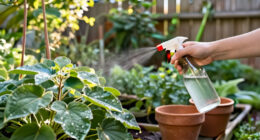
Indoor pest infestations can quickly turn a comfortable home into a frustrating ordeal, but you can prevent them with proactive steps. One of the most effective ways to keep pests out is by using natural repellents. These substances, derived from plants or other natural sources, can deter insects without the harsh chemicals found in commercial pesticides. For example, peppermint oil is a powerful natural repellent that can be applied to areas prone to pests, such as kitchen corners or behind appliances. Lavender, citronella, and eucalyptus oils are also known to repel mosquitoes, flies, and other bugs. By incorporating these natural repellents into your routine — whether through diffusers, sprays, or soaked cotton balls — you create a barrier that pests find unappealing. This approach not only reduces the likelihood of an infestation but also keeps your indoor environment healthier and safer for your family. Additionally, choosing the right pest-resistant materials for furniture and home fixtures can further decrease the chances of pests settling indoors.
Sealing entry points is another *vital* step in pest prevention. Pests often sneak into homes through tiny gaps and cracks around windows, doors, pipes, and vents. Carefully inspecting your home’s exterior and interior allows you to identify these vulnerabilities. Use caulk or weatherstripping to seal cracks around windows and doorframes, and install door sweeps on exterior doors. Check for gaps around utility lines, vents, and pipes entering your home and seal them with appropriate materials. These small measures prevent pests like ants, cockroaches, and rodents from gaining easy access inside. It’s a simple yet effective way to block their pathways and diminish the chances of an infestation taking hold.
Combining the use of natural repellents with diligent sealing of entry points provides a *thorough* defense against pests. While natural repellents help create a pest-unfriendly environment indoors, sealing entry points closes the door on their attempts to invade. Regular maintenance, such as cleaning up food crumbs and spills, keeping clutter to a minimum, and storing food in airtight containers, complements these efforts. Remember, pests are most likely to enter when they find easy access and attractants. By staying vigilant and proactive, you *greatly* reduce the risk of an infestation before it begins. Prevention is always better than dealing with a full-blown pest problem, and these steps empower you to maintain a pest-free home naturally and effectively.
As an affiliate, we earn on qualifying purchases.
Frequently Asked Questions
How Do Pests Enter My Home Unnoticed?
Pests enter your home through entry points like tiny cracks, gaps around windows, and door frames, often unnoticed. They also gain unnoticed access via vents, utility lines, or even open doors and windows. To prevent this, inspect your home regularly, seal any gaps, and keep screens intact. Being vigilant about these entry points helps you block pests before they even get inside, ensuring your home stays pest-free.
Are Natural Remedies Effective Against Indoor Pests?
Natural remedies, like DIY remedies and herbal solutions, can be quite effective against indoor pests. You can try using essential oils such as peppermint, tea tree, or eucalyptus, which pests dislike. Plant herbs like basil, mint, or lavender near entry points or inside your home to repel bugs naturally. While these methods work well for minor infestations, for severe problems, combining them with professional treatments guarantees better results.
Which Areas Are Most Vulnerable to Infestations?
Ironically, the most vulnerable spots are usually the ones you overlook. Entry points like gaps around windows and doors, and hiding spots under sinks or behind appliances, make your home a pest’s paradise. These areas are often dark and undisturbed, perfect for pests to hide and multiply. Regularly check and seal entry points, and clean hidden corners to keep pests out and your home pest-free.
How Often Should I Inspect My Home for Pests?
You should inspect your home for pests at least once a month, especially in vulnerable areas like kitchens, basements, and behind appliances. Establish an inspection schedule that aligns with your lifestyle to ensure consistent pest monitoring. Regular checks help catch issues early and prevent infestations from taking hold. Stay vigilant, and if you notice signs of pests, act quickly to address the problem before it worsens.
Can Pests Cause Health Issues Besides Allergies?
Pests are like tiny, unwelcome intruders that can turn your home into a health hazard. Besides allergies, they can carry pest-borne diseases that threaten your well-being. For instance, rodents and insects can spread illnesses through bites or contaminated surfaces. They may also trigger respiratory issues by releasing allergens or mold. Staying vigilant and maintaining a clean home helps keep these health risks at bay, ensuring your space remains safe and comfortable.
caulk and weatherstripping for home sealing
As an affiliate, we earn on qualifying purchases.
As an affiliate, we earn on qualifying purchases.
Conclusion
By keeping your home clean and sealed, you greatly reduce the chance of pests sneaking in. Did you know that cluttered spaces can harbor up to 60% more pests? Staying vigilant and maintaining good habits can save you time, money, and stress. Remember, a pest-free home isn’t just about prevention—it’s about creating a healthier, more comfortable living environment for you and your family. Start today, and enjoy peace of mind tomorrow!
airtight food storage containers
As an affiliate, we earn on qualifying purchases.
As an affiliate, we earn on qualifying purchases.
As an affiliate, we earn on qualifying purchases.
Halloween Picks
halloween
As an affiliate, we earn on qualifying purchases.