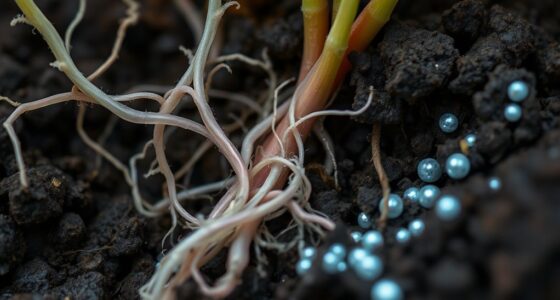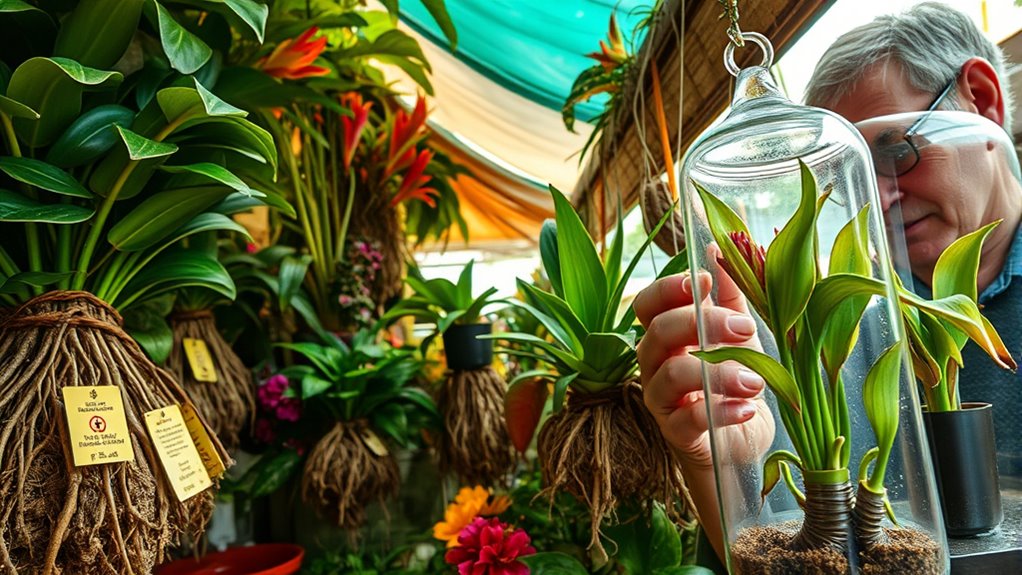

If you’re interested in collecting or trading rare plants, it’s essential to understand CITES regulations. CITES controls the international movement of endangered species to prevent overharvesting and illegal trade. This means you’ll need proper permits and documentation to import or export protected plants legally. Knowing these rules helps support conservation efforts and guarantees your activities remain lawful. Keep exploring to learn more about how to trade responsibly and ethically in the plant world.

Get the little things that make your day delivered free with Prime
- Fast, free delivery on millions of items
- Prime Video, Amazon Music and more included
- Member-only deals all year
Key Takeaways
- CITES regulates international trade of endangered plant species to prevent overharvesting and illegal collection.
- Proper documentation, including permits and licenses, is essential for legal import, export, and trade.
- Harvesting quotas ensure sustainable collection from wild populations, and traders must operate within these limits.
- Enthusiasts should always request and verify necessary permits to support lawful and ethical plant trading.
- Understanding CITES regulations helps protect rare species and promotes responsible, conservation-minded plant collection.
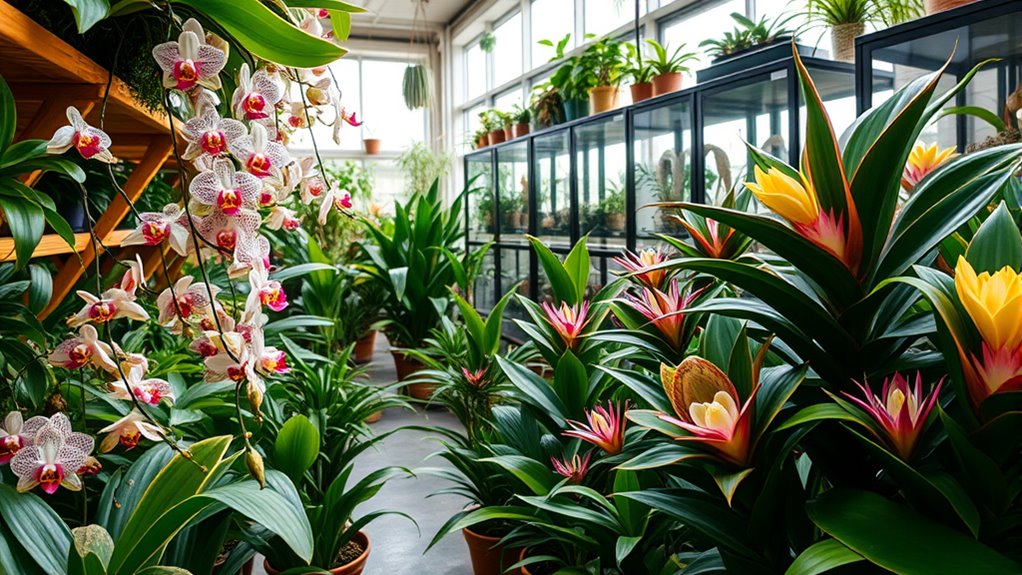
CITES, the Convention on International Trade in Endangered Species of Wild Fauna and Flora, plays an essential role in regulating the global plant trade. If you’re an enthusiast or collector of rare plant species, understanding how CITES manages trade restrictions is indispensable. One key aspect is how it controls the harvesting and export of listed species through harvesting quotas and import licensing. These measures are designed to prevent overharvesting and guarantee sustainable use of wild populations.
Harvesting quotas are set to limit the amount of a particular plant that can be harvested from the wild each year. These quotas are based on scientific assessments that determine what level of extraction the species can sustain without risking decline or extinction. When you acquire plants or plant materials, it’s imperative to verify that harvesting quotas are respected. This means that exporting countries must operate within these limits and provide documentation confirming that their harvests are sustainable. Ignoring quotas can lead to illegal trade, which threatens the very species you’re passionate about.
Verify that harvesting quotas are respected to ensure sustainable trade and prevent illegal harvesting.
Import licensing is another critical tool used to regulate international plant trade. When you import a rare or protected species, you need to obtain an official license from the relevant authorities in your country. This license serves as proof that the trade complies with CITES regulations and that the plant was harvested legally. Without an import license, bringing in certain species can be illegal, even if you’re unaware of the restrictions. For collectors and nurseries, understanding the licensing process helps you avoid legal issues and supports conservation efforts by ensuring that your purchases are lawful.
CITES requires that all parties involved in the trade—exporters, importers, and transit countries—maintain transparent records and documentation. This system tracks each shipment, confirming that the plants were harvested and exported according to legal standards. If you’re purchasing plants from international sources, always ask for proper documentation, including permits and licenses. This not only protects you from potential legal trouble but also promotes ethical trade practices. Additionally, staying informed about the regulations can help enthusiasts contribute to conservation efforts and ensure the sustainable future of rare plant species.
Frequently Asked Questions
How Does CITES Enforcement Vary Between Countries?
You might notice that international enforcement varies between countries because each nation enforces regulations differently. Some countries have strict enforcement consistency, actively monitoring and punishing illegal trade, while others may lack resources or political will, leading to weaker enforcement. This disparity affects how well rare species are protected globally. As an enthusiast, understanding these differences helps you appreciate the complexities involved in conserving species across borders.
Are There Any Exemptions for Personal Plant Collections?
You might be pleased to learn that some personal collection exemptions and hobbyist allowances exist, making it easier for enthusiasts like you to enjoy rare plants. These exemptions often apply when plants are for personal use and not commercial purposes. However, you should always check specific regulations in your country, as rules vary. Staying informed helps you responsibly nurture your passion without unintentionally crossing legal boundaries.
How Can Traders Verify if a Plant Is Cites-Listed?
You can verify if a plant is CITES-listed by checking official resources like the CITES Species Database or national authorities’ websites. This helps you understand plant import restrictions and confirm legality verification before trading. Always request proper documentation, such as CITES permits, from sellers. Doing this prevents legal issues, promotes responsible trade, and protects endangered species from illegal collection and export.
What Are Penalties for Non-Compliance With CITES Regulations?
If you don’t comply with CITES regulations, you’ll face serious legal consequences. Penalty escalation varies depending on the severity of the violation, but can include hefty fines, confiscation of plants, and even imprisonment. Non-compliance risks damaging your reputation and could lead to bans on future trade activities. Make sure to understand and follow all regulations to avoid these penalties and protect rare species effectively.
How Does CITES Impact Local Plant Conservation Efforts?
You can see how CITES impacts local plant conservation efforts by protecting endangered habitats from over-collection and illegal trade. When you participate as a citizen, your efforts support sustainable practices and help preserve native species. By following regulations, you contribute to safeguarding biodiversity and ensuring that rare plants remain part of the ecosystem. Your involvement makes a difference in maintaining healthy, resilient environments for future generations.
Conclusion
By understanding CITES regulations, you can help protect rare plants and guarantee they thrive for generations. Imagine strolling through lush, vibrant forests, knowing your passion supports their survival. Every trade, every purchase, becomes a step toward preserving these delicate wonders. So, stay informed, respect the rules, and be a guardian of nature’s beauty. Together, we can keep these extraordinary species alive, blooming brightly against the backdrop of our shared world.
Halloween Picks
halloween
As an affiliate, we earn on qualifying purchases.