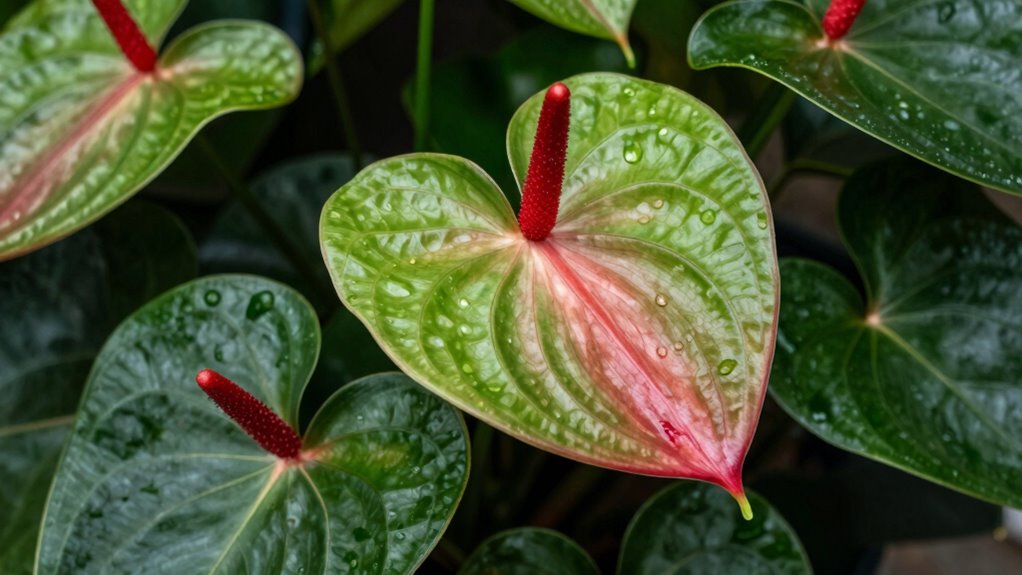

You become a collector of Anthuriums by focusing on their rarity, unique features, and origins. Some varieties stand out because of their unusual leaf shapes, vibrant colors, or because they are endemic to specific regions. Limited availability and cultivation challenges add to their desirability and value. By understanding their natural habitats and proper care techniques, you can nurture these special plants. Keep exploring to discover more about what makes these plants truly special for collectors.
Key Takeaways
- Unique and unusual leaf shapes, vibrant colors, or rare spathe and spadix combinations increase collector interest.
- Endemic or limited-cultivation varieties enhance exclusivity and desirability among collectors.
- Rarity and scarcity elevate anthuriums to collector’s status, often commanding higher prices.
- Proper cultivation and care techniques preserve plant health and value over time.
- The plant’s story, origin, and conservation status add to its collectible appeal.
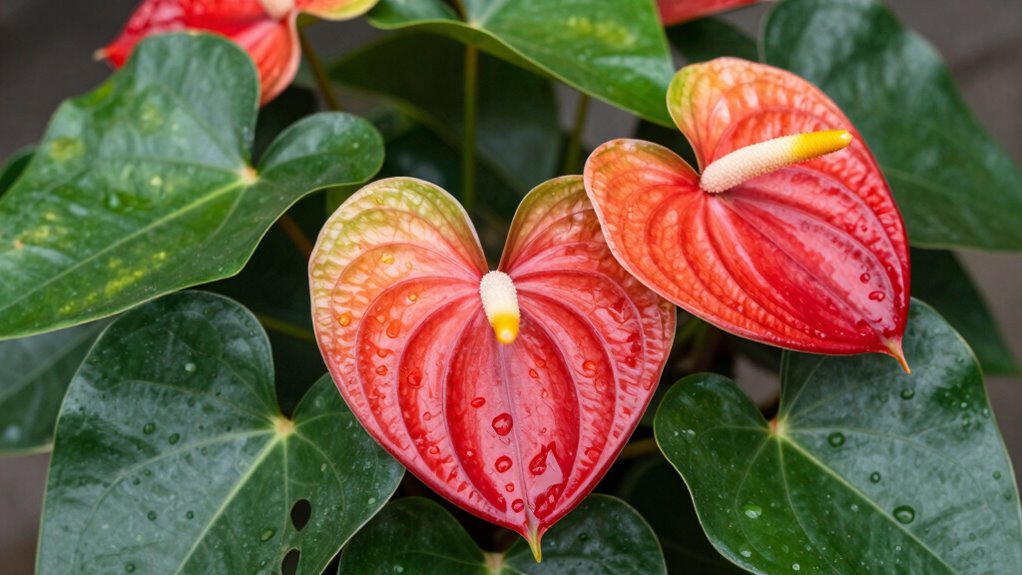
Are you passionate about unique and striking houseplants? If so, you’ve probably noticed that some Anthuriums stand out more than others. These exceptional plants are often considered collector’s items because of their rarity and distinctive features. What truly makes certain Anthuriums worth collecting isn’t just their appearance but also their story, rarity, and the cultivation techniques required to nurture them successfully. Many collectors seek out rare varieties that aren’t widely available, and these plants often command higher prices due to their unique traits. Their scarcity adds an element of exclusivity, making them highly desirable for enthusiasts who want to build a diverse and impressive collection.
Rare Anthuriums captivate collectors with their unique features, stories, and the dedicated care they require.
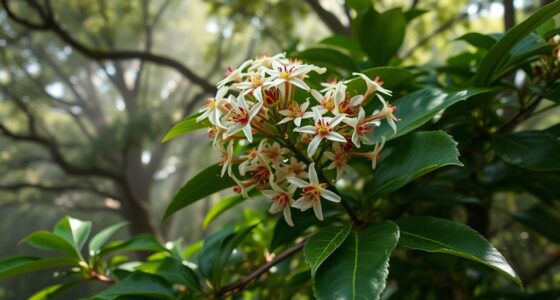
The rarity of some Anthuriums is a major factor that elevates them to collector’s status. These rare varieties may have unusual leaf shapes, vibrant colors, or extraordinary spathe and spadix combinations that set them apart. Some are endemic to specific regions or have limited cultivation, which drives their value among collectors. If you’re interested in acquiring these rare varieties, understanding their origins and what makes them unique is essential. Often, they require specialized care and patience to thrive, especially if they’re from remote locations or have specific environmental needs. Cultivating these rare Anthuriums involves a keen understanding of their natural habitat, including temperature, humidity, and light requirements. Recognizing the importance of plant rarity can help you appreciate their value and the effort needed to grow them successfully. Additionally, understanding plant conservation can help ensure these unique plants are preserved for future generations. Learning about native habitats can also provide valuable insights into replicating their ideal growing conditions at home. Being aware of market demand can also influence your success and the value of your collection over time.
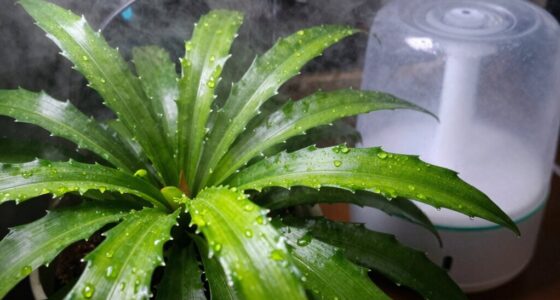
Cultivation techniques play an indispensable role in maintaining these collector’s plants. Many rare Anthuriums demand precise watering schedules, well-draining soil, and careful attention to avoid overwatering or underwatering. Propagation methods, such as division or tissue culture, are often used to increase stock, but they can be complex and require experience. Proper fertilization is also key to encouraging healthy growth and vibrant blooms. Moreover, some varieties benefit from specific environmental conditions, like high humidity or shaded light, which mimic their native ecosystems. Mastering these techniques allows you to keep your Anthuriums healthy and ensure they develop their full potential. Understanding the cultivation methods and environmental needs of these plants can significantly improve your success rate. Developing a tailored care routine based on their native environment can make a substantial difference in their overall health.

Arcadia Garden Products Live Anthurium Clarinervium Rare Indoor Houseplant in Plastic Pot, Tropical Plant Collector Gift for Home and Garden Decor, 4-inch, Beige
- Stunning Foliage: Thick, heart-shaped leaves with white veins
- Collector Favorite: Unique plant ideal for tropical collections
- Easy Care: Thrives in high humidity with indirect light
As an affiliate, we earn on qualifying purchases.
As an affiliate, we earn on qualifying purchases.
Frequently Asked Questions
Are Anthuriums Suitable for Outdoor Gardening in All Climates?
Anthuriums aren’t suitable for outdoor gardening in all climates. You need to take into account outdoor humidity levels and soil drainage; these plants thrive in warm, humid environments with well-draining soil. If your climate is too cold or dry, anthuriums won’t do well outside. They prefer consistent indoor humidity and proper soil conditions to stay healthy. In colder or less humid areas, it’s best to keep them indoors for ideal growth.
How Often Should I Repot My Anthurium Collector Plant?
You should repot your anthurium collector plant every 2-3 years or when it outgrows its current pot. Focus on improving soil drainage during repotting to prevent root rot. Also, prune dead or damaged leaves to promote healthy growth. Regular repotting helps refresh the soil, encourages better airflow, and keeps your plant thriving. Keep an eye on growth, and don’t wait too long to repot for best health.
What Are Common Pests That Attack Anthuriums?
About 30% of indoor plant owners report pest issues with their anthuriums. Common pests include mealybugs, spider mites, and scale insects. You should regularly perform pest identification to catch infestations early. Organic pest control methods, like neem oil or insecticidal soap, are effective and eco-friendly options. Consistent monitoring and prompt treatment help keep your anthuriums healthy and free from pests, ensuring they flourish indoors.
Can Anthuriums Thrive With Minimal Sunlight?
Anthuriums can thrive with minimal sunlight if you understand their light requirements and shade tolerance. They prefer bright, indirect light but can adapt to lower light conditions, making them suitable for shaded spots. Keep in mind that too little light may reduce flowering, but their overall health remains stable. Place them in a spot with filtered sunlight or partial shade to guarantee they stay vibrant and healthy.
Do Anthuriums Require Special Fertilization Routines?
You don’t need special fertilization routines for anthuriums, but understanding their nutrient requirements helps. About 75% of plant enthusiasts feed their anthuriums once a month during the growing season. Use a balanced, water-soluble fertilizer and adjust the fertilizer frequency based on the plant’s growth. Consistent, appropriate feeding encourages vibrant foliage and blooms, making your anthuriums healthier and more striking without overcomplicating your plant care routine.

ragnaroc Anthurium Plants Live Variety Pack +3” Tall – 2ct – Anthurium Fire Glow & Anthurium Caliente, Indoor/Outdoor Plants for Home Decor, Plants Live Houseplants, Plant Gift
- Number of Plants: 2 live Anthurium plants
- Plant Types: Anthurium Fire Glow & Caliente
- Plant Size: 3-inch tall plants
As an affiliate, we earn on qualifying purchases.
As an affiliate, we earn on qualifying purchases.
Conclusion
You’ve seen how anthuriums stand out as collector plants, thanks to their unique shapes and vibrant colors. Did you know that over 1,000 varieties exist worldwide? That’s a proof to their diversity and appeal. As a passionate collector, you’re part of a fascinating world where each plant tells its own story. Keep exploring, and you’ll discover even more reasons why anthuriums are truly exceptional additions to any collection.

4 Pack Transparent Plant Propagation Station, 9cm Vases Pothos Anthurium Cuttings, Culture Containers with White Green Base Indoor(4-piece Set Green)
- Set Includes Four Containers: Four transparent propagation vases
- Clear Visibility: See roots and nutrients easily
- Compact 9cm Size: Ideal for small spaces
As an affiliate, we earn on qualifying purchases.
As an affiliate, we earn on qualifying purchases.

COMPLETE ANTHURIUM CARE HANDBOOK: Essential Care Instructions And Methods For Thriving Floral Arrangements
As an affiliate, we earn on qualifying purchases.
As an affiliate, we earn on qualifying purchases.