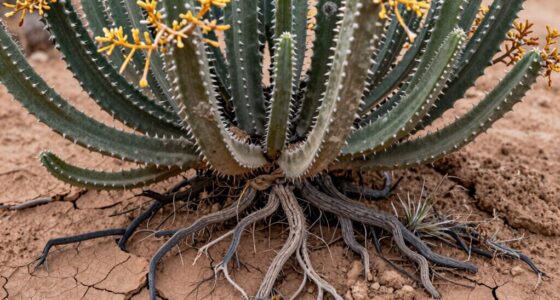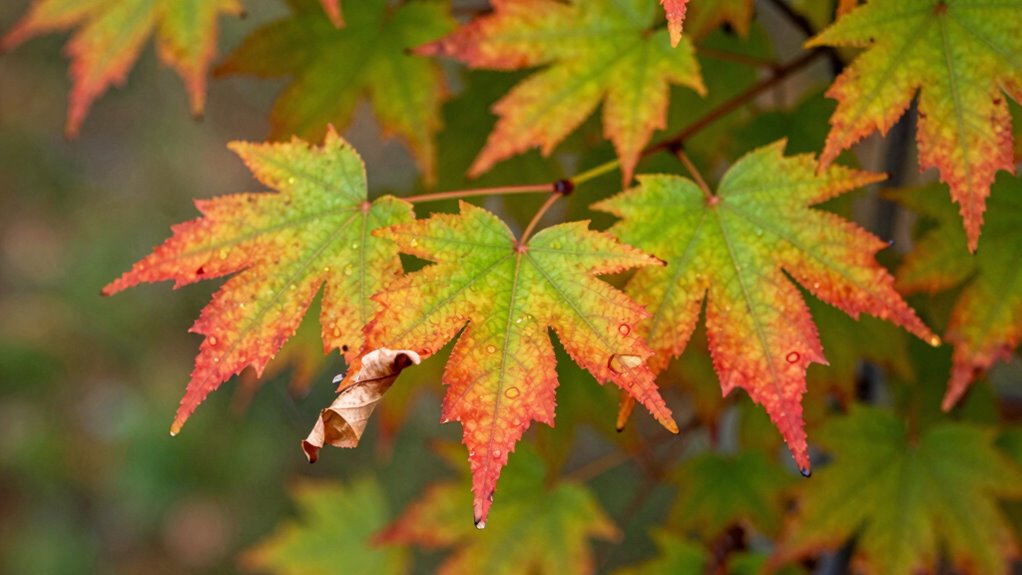

When plants face stress like drought or extreme temperatures, they drop their leaves to conserve resources and protect themselves. Shedding helps reduce water loss, limits energy use when photosynthesis slows, and prevents further damage. It also redirects nutrients to essential parts like roots. Different species use leaf shedding as an adaptive survival strategy, increasing their chances of recovery. To understand how plants adapt and survive during these tough times, keep exploring the details.

Get the little things that make your day delivered free with Prime
- Fast, free delivery on millions of items
- Prime Video, Amazon Music and more included
- Member-only deals all year
Key Takeaways
- Plants shed leaves to conserve resources and reduce water loss during drought or extreme temperatures.
- Leaf drop minimizes energy expenditure when photosynthesis is disrupted by stress.
- Nutrient deficiencies cause yellowing and shedding to redirect nutrients to vital parts.
- Environmental stressors like water scarcity and poor soil trigger leaf shedding as a protective response.
- Leaf shedding is an adaptive strategy to enhance survival and recovery during adverse conditions.
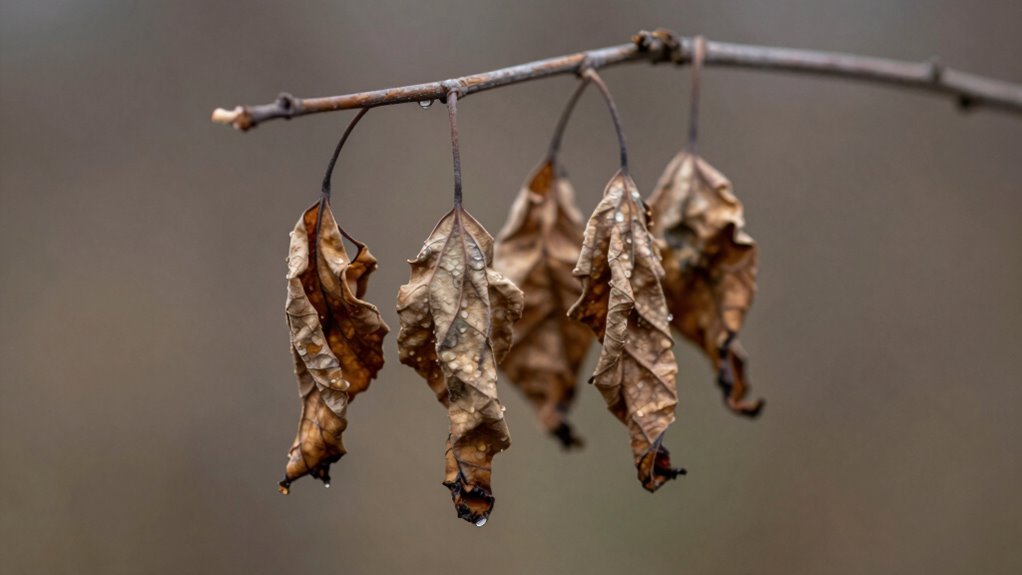
When plants face stress, they often shed their leaves as a survival strategy. This natural response helps conserve resources and protect the plant from further harm. One key reason for leaf drop during stressful periods is photosynthesis disruption. When environmental conditions, like drought or extreme temperatures, occur, they interfere with the plant’s ability to carry out photosynthesis efficiently. Without proper photosynthesis, the plant can’t produce enough energy to sustain itself, so it starts to discard its leaves to reduce energy expenditure. Leaves are the primary sites of photosynthesis, and when they become damaged or less functional, the plant recognizes that maintaining them is no longer beneficial. Dropping leaves minimizes the energy drain, allowing the plant to focus on vital functions like root growth and water retention. Additionally, leaf shedding can also help reduce water loss through transpiration, which is especially critical during drought conditions. photosynthesis disruption is closely linked to environmental stressors, emphasizing how vital it is for plants to adapt to their surroundings.
Another significant factor behind leaf shedding during stress is nutrient deficiency. When plants are unable to absorb or access essential nutrients—such as nitrogen, potassium, or magnesium—they experience a decline in overall health. Nutrients are critical for maintaining cellular functions and supporting the synthesis of chlorophyll, the pigment responsible for the green color in leaves. A deficiency hampers photosynthesis even further, as chlorophyll production drops and leaves begin to yellow and die back. To survive, the plant reduces its leaf surface area by dropping the affected leaves, which helps conserve nutrients and redirect what remains to critical plant parts like roots and stems. This process is a strategic move to ensure the plant’s survival rather than complete decline. Recognizing that nutrient deficiency can be a major cause of leaf drop underscores how vital proper nutrient management is for plant health.
Environmental stressors like water scarcity or poor soil quality exacerbate these issues, making leaf drop more pronounced. When water is limited, plants close their stomata to prevent excessive water loss, but this also limits carbon dioxide intake, further disrupting photosynthesis. As a result, leaves may turn yellow and fall off prematurely. Similarly, poor soil conditions hinder nutrient uptake, leading to nutrient deficiency and the subsequent shedding of leaves. In essence, leaf drop during stress is a protective measure. It reduces the plant’s metabolic demands, prevents further damage, and increases the likelihood of recovery once conditions improve. Recognizing that environmental stressors can trigger these responses highlights how leaf drop is an adaptive strategy rather than a sign of weakness.
Furthermore, some plants possess specific adaptive mechanisms that allow them to survive in harsh conditions by shedding leaves and entering dormancy, showcasing the diversity of survival strategies among different species.
As an affiliate, we earn on qualifying purchases.
Frequently Asked Questions
Can Leaf Drop Be Reversed Once Stress Is Alleviated?
Yes, leaf drop can be reversed once stress is alleviated. You can promote plant recovery by providing proper care, such as adequate watering, nutrients, and suitable light. As your plant regains stress resilience, it might start producing new leaves. Keep monitoring its condition and avoid further stressors. With patience and proper attention, your plant can recover, restore its health, and reduce the likelihood of continued leaf loss.
Do All Plants Drop Leaves Under Stress or Only Specific Types?
Did you know that around 60% of plant species drop leaves under stress? Not all plants respond the same way—species variation means some shed leaves to conserve resources, while others hold onto them longer. Leaf drop is an adaptive strategy, helping plants survive tough times. So, whether a plant drops leaves depends on its species and how it’s built to handle stress, not just a universal rule.
How Does Leaf Drop Affect a Plant’s Overall Health?
When a plant drops leaves, it can signal a decline in its overall health, especially if caused by nutrient deficiency or pest infestation. Leaf drop reduces the plant’s ability to photosynthesize, weakening it further. You might notice stunted growth or increased vulnerability to diseases. Addressing the root cause, like providing proper nutrients or controlling pests, helps restore the plant’s vigor and prevents further health deterioration.
Are There Any Signs Indicating a Plant Is About to Lose Leaves?
You might notice signs like yellowing or browning leaves, which indicate your plant is about to lose leaves. Look for nutrient deficiency symptoms, such as pale or weak leaves, and signs of pest infestation, like holes or sticky residue. If you see these signs, your plant is likely stressed and may shed leaves soon. Addressing nutrient issues and pests promptly can help prevent excessive leaf loss and keep your plant healthy.
What Role Do Environmental Factors Play in Leaf Shedding?
Environmental factors like soil moisture and light exposure directly influence leaf shedding. For example, if you notice your houseplant’s leaves falling after a drought, it’s likely because low soil moisture stresses it out. Similarly, inadequate light can cause leaves to drop as the plant struggles to photosynthesize. You can prevent this by maintaining consistent soil moisture and ensuring your plant gets enough light, helping it stay healthy and vibrant.
As an affiliate, we earn on qualifying purchases.
Conclusion
When stress hits, leaves falling is your plant’s way of closing shop temporarily—like a lighthouse dimming its light to weather the storm. It’s a survival tactic, shedding unnecessary baggage to conserve energy and stay afloat. Remember, just like us, plants need time to recover and bounce back. So, give your green friends some patience and care—they’ll sprout new leaves and shine brighter once the storm passes. Nature’s resilience is truly a beautiful dance.
nutrient deficiency plant supplement
As an affiliate, we earn on qualifying purchases.
As an affiliate, we earn on qualifying purchases.
As an affiliate, we earn on qualifying purchases.
Halloween Picks
halloween
As an affiliate, we earn on qualifying purchases.