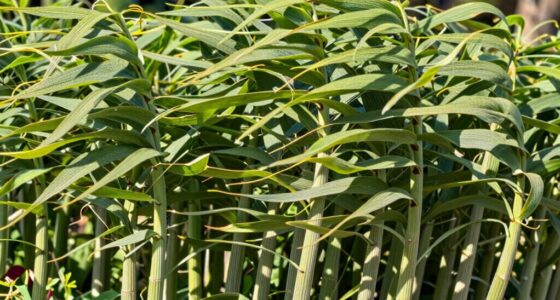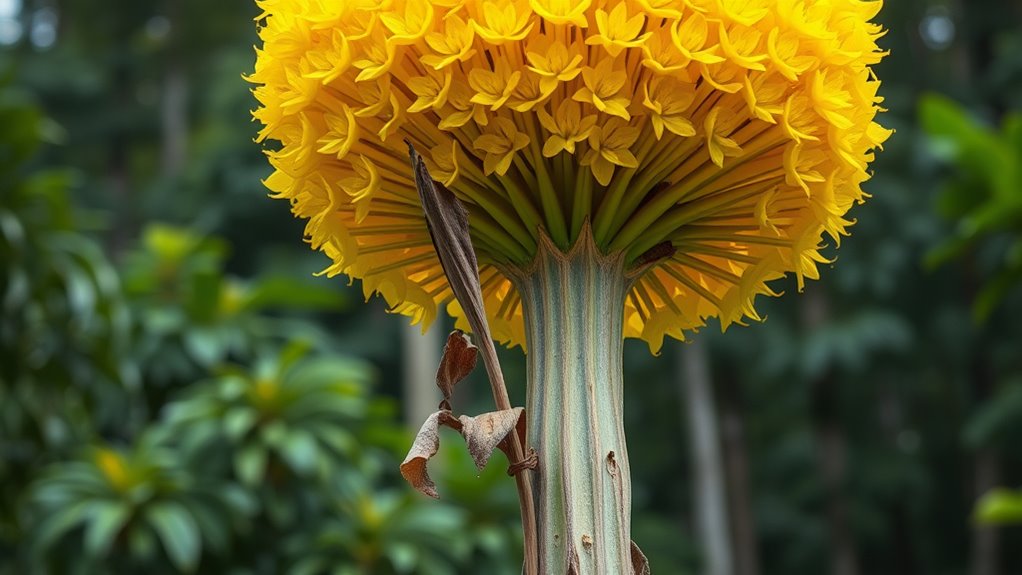

Monocarpic plants lead a unique life where they focus all their energy on a single, often spectacular, flowering event before dying. They conserve resources by staying inactive during harsh conditions and then suddenly burst into bloom, producing vast amounts of seeds. This strategy guarantees their species’ survival despite their own death. If you keep exploring, you’ll uncover even more fascinating examples of nature’s extraordinary strategies and adaptations.

Get the little things that make your day delivered free — and shop member deals
- Fast, free delivery on millions of items
- Access to Prime Big Deal Days deals on October 6–7
- Prime Video, Amazon Music and more included
Key Takeaways
- Monocarpic plants invest all their energy into a single, spectacular reproductive event before dying.
- They undergo extended dormancy periods, conserving resources until conditions favor flowering.
- After flowering and seed dispersal, monocarpic plants naturally perish, completing their lifecycle.
- These plants produce large quantities of seeds to maximize species survival despite their death.
- Their lifecycle exemplifies a unique survival strategy, emphasizing a single, decisive reproductive phase.
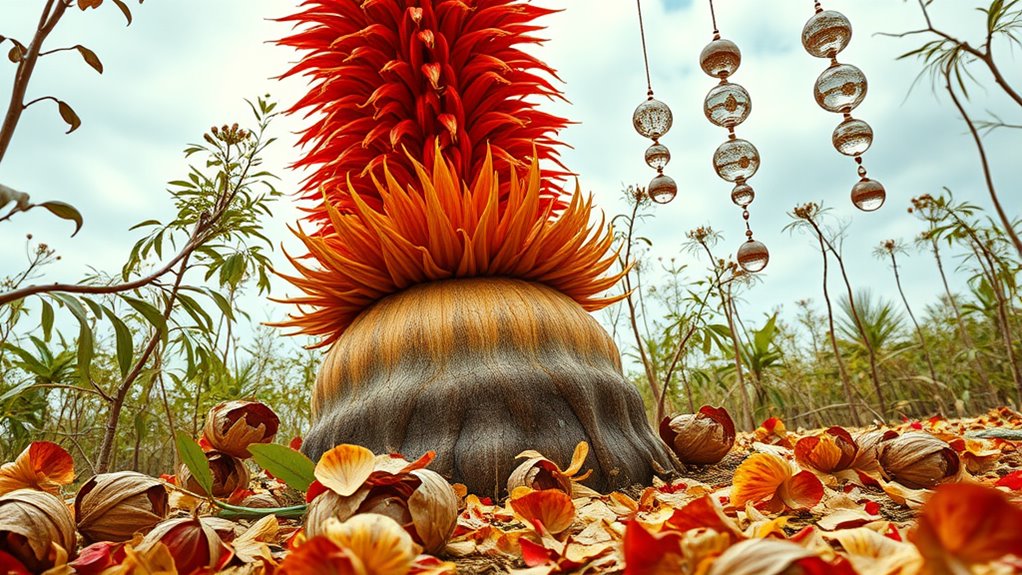
Many plants have life cycles that are simply astonishing, often defying what we consider normal for plant development. One of the most fascinating aspects of their life cycles involves plant dormancy and seed dispersal techniques, which allow them to survive extreme conditions and guarantee their species’ continuity. When you observe a plant that seems to “die” after flowering, you’re witnessing a monocarpic plant’s unique strategy. These plants invest all their energy into a single, often spectacular, reproductive event before they perish. During their life, they may undergo extended periods of dormancy, lying inactive during unfavorable seasons, only to spring back to life when conditions improve. This dormancy period is vital, as it helps the plant conserve resources and protect itself from harsh weather or droughts. Once the conditions are right, the plant resumes growth, flowers, and produces seeds, completing its lifecycle in a dramatic finale.
The seed dispersal techniques of monocarpic plants are equally remarkable. After flowering, they produce a bounty of seeds that are cleverly spread across the environment to maximize their chances of germination. Some plants rely on wind, releasing lightweight seeds equipped with wings or fluff to carry them far from the parent. Others depend on animals, offering nutritious fruits or seeds with tough coats that pass through digestive systems, dispersing them over wide areas. In certain species, seed dispersal is synchronized with flowering, ensuring that the seeds land in ideal locations for growth—such as rich soil or areas with minimal competition. This meticulous coordination ensures their survival after the parent plant’s death.
What makes this life cycle particularly intriguing is how it balances the plant’s entire existence on a single reproductive event. By dedicating all its resources to flowering and seed production, the plant effectively sacrifices itself for the next generation. This strategy might seem counterintuitive, but it guarantees that, despite their death, their genetic legacy continues elsewhere. As you observe these plants, know that their lifecycle is a testament to nature’s ingenuity—using dormancy to survive tough times and employing diverse dispersal techniques to spread their progeny far and wide. Their ability to live so intensely for a brief period, then fade away, reminds us of the incredible ways life persists and adapts, even in the most unusual and striking ways.
monocarpic flowering plants seeds
As an affiliate, we earn on qualifying purchases.
As an affiliate, we earn on qualifying purchases.
Frequently Asked Questions
Do Monocarpic Plants Have Any Practical Agricultural Uses?
Yes, monocarpic plants have practical agricultural uses. You can use them in horticultural applications, such as controlling plant populations or managing crop cycles. Their unique life cycle allows you to plan crop management strategies effectively, knowing they die after flowering. This trait can help reduce re-seeding problems, improve soil health, and optimize harvest timing, making monocarpic plants valuable tools in sustainable farming and landscape design.
How Do Monocarpic Plants Reproduce if They Die After Flowering?
Monocarpic plants reproduce through their seeds, which develop before the plant dies after flowering. Their reproductive strategies involve producing abundant seeds during that single flowering event, ensuring the next generation. This survival mechanism allows them to pass on their genes despite their death afterward. You’ll find these plants often rely on seed dispersal methods like wind or animals, helping their offspring establish in new areas.
Are Monocarpic Plants Found in All Climates Worldwide?
Like a fleeting star, monocarpic plants symbolize life’s transient beauty. You’ll find them across diverse climates, showcasing unique adaptations to their environments. Their geographic distribution spans tropical rainforests, deserts, and temperate zones, proving they thrive wherever life’s cycle plays out vividly. These plants remind you that even in death, they leave a lasting mark, illustrating resilience and the interconnectedness of life’s fleeting moments worldwide.
Can Monocarpic Plants Be Propagated Before They Flower?
Yes, you can propagate monocarpic plants before they flower. You should focus on vegetative propagation methods like cuttings or division, which allow you to create new plants without waiting for flowering. Additionally, seed collection is an option if the plant produces viable seeds early enough. This way, you preserve genetic material and guarantee future growth, even if the original plant dies after flowering.
What Environmental Triggers Cause Monocarpic Plants to Flower?
Environmental cues like day length, temperature, and water availability trigger monocarpic plants to flower. These cues activate hormone signals, such as gibberellins and cytokinins, which initiate flowering. You’ll notice that changes in light or temperature often set off these hormone shifts, prompting the plant to focus its energy on reproduction. Once flowering occurs, the plant typically completes its life cycle and dies, making these environmental triggers vital for timing.
plant dormancy and seed dispersal kits
As an affiliate, we earn on qualifying purchases.
As an affiliate, we earn on qualifying purchases.
Conclusion
Now that you’ve learned about monocarpic plants, it’s clear they really take the cake with their unique life cycles. They put all their energy into one spectacular flowering event before making a grand exit. It just goes to show that nature doesn’t follow a one-size-fits-all rule—sometimes you have to think outside the box. So, keep your eyes open and appreciate these fascinating plants, because they truly prove that sometimes, you’ve got to go out with a bang.
As an affiliate, we earn on qualifying purchases.
plant propagation tools for flowering plants
As an affiliate, we earn on qualifying purchases.
As an affiliate, we earn on qualifying purchases.
Fall Picks
fall essentials
As an affiliate, we earn on qualifying purchases.