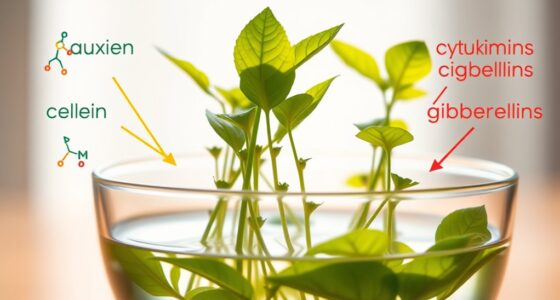
Variegation in leaves happens because of genetic mutations that disrupt how pigments are produced and spread in plant cells. These changes lead to patches of different colors, like green, white, or yellow, creating unique patterns. The mutations can be inherited or occur spontaneously, influencing whether the patterns stay stable or change over time. If you want to discover how these genetic shifts shape plant beauty, there’s much more to explore about the science behind variegation.

Get the little things that make your day delivered free with Prime
- Fast, free delivery on millions of items
- Prime Video, Amazon Music and more included
- Member-only deals all year
Key Takeaways
- Genetic mutations alter pigment production and distribution, creating patterns of variegation in leaves.
- Variations in chlorophyll, carotenoids, and anthocyanins lead to diverse color patches.
- Mutations can be tissue-specific or affect overall pigment cell development, influencing pattern stability.
- Environmental factors can modify pigment expression, adding dynamic variability to variegation.
- The interplay of genetics and cellular regulation determines the unique and complex variegation patterns.
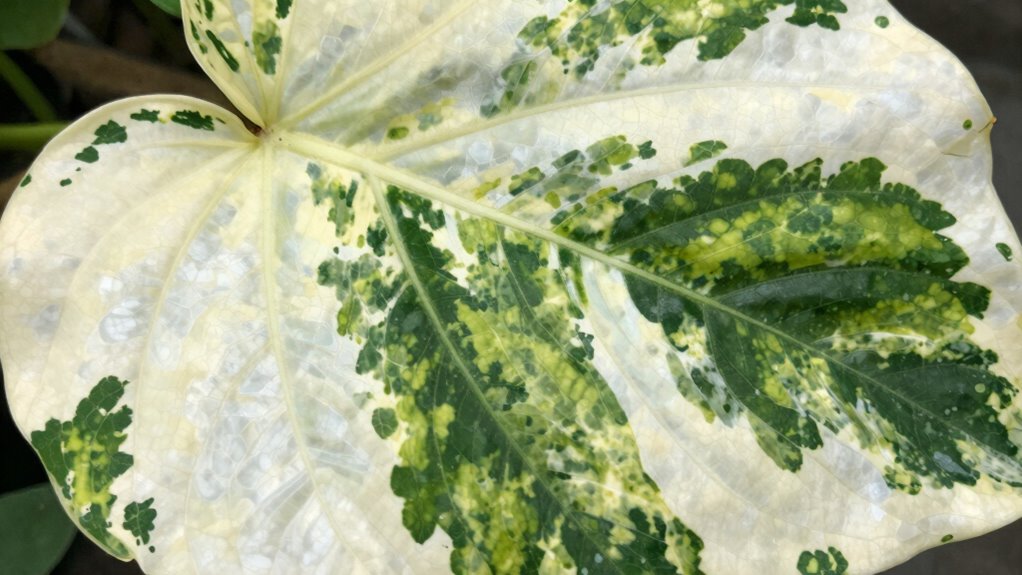
Variegation in leaves occurs when plants develop patches of different colors, creating striking patterns that captivate gardeners and botanists alike. This colorful display results from a combination of genetic mutations and variations in pigment distribution within the leaf tissues. When a plant’s genetic makeup changes unexpectedly, it can produce cells that develop differently from the norm, leading to areas with altered pigmentation. These genetic mutations are often spontaneous, but they can also be inherited, passing down unique variegation patterns through generations. As a result, the plant’s DNA influences how pigments are produced and distributed across the leaf surface.
Variegation arises from genetic mutations and pigment distribution, creating vibrant, unique leaf patterns appreciated by gardeners and botanists alike.
Pigment distribution plays an essential role in the appearance of variegated leaves. Chlorophyll, which provides the green color, is typically concentrated in certain areas, while other pigments like carotenoids and anthocyanins produce yellows, oranges, reds, and whites. In variegated plants, the uneven placement of these pigments causes the contrasting patches of color. Sometimes, the distribution is caused by a lack of chlorophyll in specific regions, resulting in white or pale patches. Other times, the plant produces excess or different types of pigments in certain areas, creating vibrant streaks or spots. The pattern and intensity of variegation depend on how these pigments are allocated, which is largely controlled by the plant’s genetic instructions. Additionally, environmental factors can influence pigment expression, adding further variability to the patterns.
You might notice that some variegated plants are more stable in their patterns, while others change over time or under different conditions. This variability stems from the underlying genetic factors and the way pigment-producing cells are regulated. In some cases, mutations affect the genes responsible for pigment synthesis or transport, leading to the patchy appearance. These genetic mutations can be mosaic, meaning they only affect certain tissues, or they might influence the overall development of pigment cells, resulting in more uniform or more chaotic patterns. Understanding the genetic mutations behind variegation helps explain the diverse and unpredictable nature of these patterns. Studying these mutations provides insight into the broader mechanisms of plant pigmentation and cellular differentiation.
Understanding the science behind variegation helps you appreciate how complex and delicate this process is. It’s not just about aesthetics; it’s rooted in the plant’s genetic blueprint and the way it manages pigment distribution. When you admire a variegated leaf, you’re looking at a natural product of genetic mutations that disrupt normal pigment placement, creating beautiful and unique patterns. These variations highlight the intricate relationship between genetics and cellular processes, making each variegated leaf a living tribute to nature’s innovative genetic mechanisms.
As an affiliate, we earn on qualifying purchases.
Frequently Asked Questions
Can Variegation Be Artificially Induced in Leaves?
Yes, you can artificially induce variegation in leaves through chemical treatments. These treatments involve applying specific chemicals that disrupt chlorophyll production or alter pigment synthesis, creating variegated patterns. You might use substances like certain plant growth regulators or dyes to achieve this effect temporarily or permanently. Keep in mind, though, that improper application can harm plants, so it’s crucial to follow proper procedures and safety precautions.
Does Variegation Affect a Plant’s Overall Health?
Variegation can affect a plant’s overall health because genetic mutations causing variegation often reduce photosynthesis efficiency. When parts of the leaves lack chlorophyll, the plant can’t produce energy as effectively, which may lead to slower growth or weaker health. However, if the variegation is stable and the plant receives proper care, it can still thrive, though you might notice some compromises in its robustness compared to fully green plants.
Are Certain Species More Prone to Variegation Than Others?
Did you know that about 70% of variegated plants are from specific species? Certain species are more prone to variegation due to genetic mutations affecting chlorophyll distribution, which creates those striking patterns. You’ll find variegation more common in houseplants like pothos and ficus. These plants naturally have a higher susceptibility to mutations, making them more likely to develop unique leaf patterns that add visual interest to your collection.
How Does Environmental Stress Influence Leaf Variegation?
Environmental stress can influence leaf variegation by disrupting photosynthesis efficiency and altering chlorophyll distribution. When plants face stressors like drought, extreme temperatures, or nutrient deficiencies, they may develop more variegation as a protective response. This change can reduce chlorophyll in certain areas, leading to the distinctive patterns you see. These adaptations help plants manage stress, but they can also impact their overall health and growth.
Can Variegation Be Inherited Genetically?
Yes, variegation can be inherited genetically. You can trace this through genetic inheritance, where specific genes influence leaf pigmentation, resulting in variegated patterns. When plants pass on these genes, their offspring often display similar variegation, especially if the traits are dominant. Understanding this genetic basis helps you predict which plants might produce variegated leaves, making it easier to select desirable specimens for your garden or collection.
As an affiliate, we earn on qualifying purchases.
Conclusion
You might think variegation is just a pretty quirk, but science shows it’s actually a survival tactic. Some plants keep their colorful patterns to deter pests or protect against harsh sunlight. While this theory makes sense, ongoing research suggests it’s a mix of genetic quirks and environmental factors. So, next time you see a leaf with striking colors, remember—you’re looking at nature’s clever way of balancing beauty and survival.
plant LED grow lights for variegation
As an affiliate, we earn on qualifying purchases.
As an affiliate, we earn on qualifying purchases.
As an affiliate, we earn on qualifying purchases.
NFL season / tailgating Picks
team gear
As an affiliate, we earn on qualifying purchases.