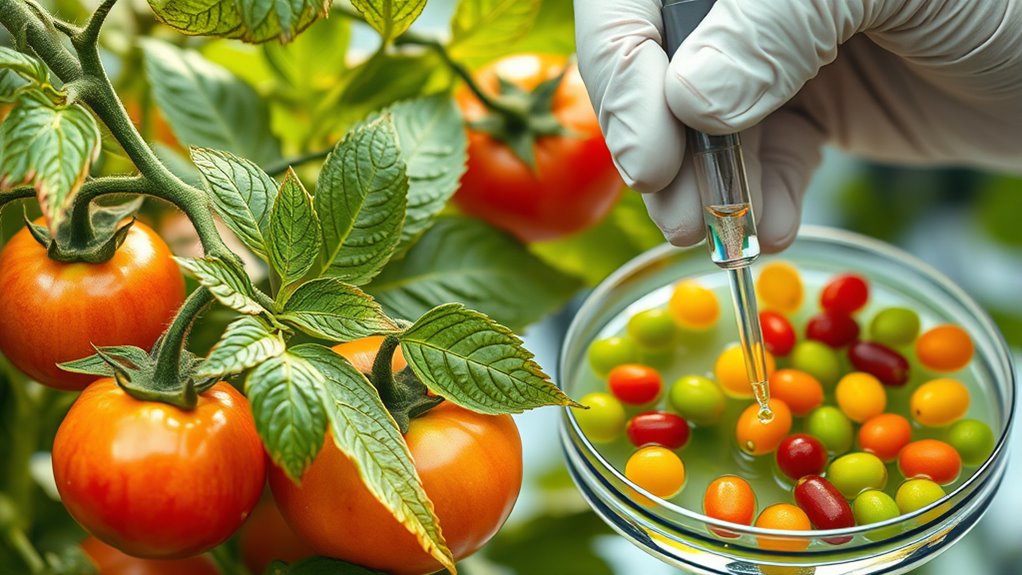

Plant genetics is the science behind how traits are inherited and improved in crops, from traditional heirloom seeds to modern CRISPR edits. You learn how genetic diversity boosts resilience, while hybrid vigor enhances productivity. Advances in techniques like gene editing allow precise modifications for better drought tolerance and pest resistance. Understanding these genetic principles helps shape sustainable farming practices. Keep exploring to discover how these innovations are transforming food production worldwide.

Get the little things that make your day delivered free with Prime
- Fast, free delivery on millions of items
- Prime Video, Amazon Music and more included
- Member-only deals all year
Key Takeaways
- Plant genetics explains how traits are inherited and how genetic diversity enhances crop resilience and adaptability.
- Heirloom seeds preserve traditional genetic traits, contributing to biodiversity and cultural heritage.
- Modern techniques like CRISPR enable precise gene editing to improve crop traits such as drought tolerance and pest resistance.
- Hybrid vigor results from crossbreeding different varieties, producing stronger, higher-yielding hybrid crops.
- Advances in plant genetics support sustainable agriculture by combining traditional knowledge with cutting-edge biotechnology.
Have you ever wondered how plants pass on their traits from one generation to the next? It all comes down to genetics—the way genes are inherited and expressed in each plant. This process is essential because it influences everything from a plant’s size and color to its resistance against pests and diseases. One key concept in plant genetics is genetic diversity, which refers to the variety of genes within a plant population. The more diverse the gene pool, the better a plant population can adapt to changing environments, resist diseases, and survive pests. When plants are bred with a wide genetic base, they tend to be healthier and more resilient. This diversity is especially important in agriculture, where monocultures—large fields of genetically identical plants—can become vulnerable to widespread diseases or pests. That’s why preserving and promoting genetic diversity is fundamental for sustainable farming and food security.
Another fascinating aspect of plant genetics is hybrid vigor, also known as heterosis. When two different plant varieties are crossbred, their offspring often outperform either parent in growth rate, yield, and resilience. You might notice that hybrid corn or hybrid tomatoes grow bigger and produce more fruit than their parent varieties. This phenomenon occurs because hybrid vigor combines the best traits of both parent plants, leading to enhanced performance. Breeders intentionally create hybrids to maximize these benefits, resulting in crops that are hardier, more productive, and better suited to withstand environmental stresses. Hybrid vigor is a powerful tool in agriculture, helping farmers produce higher yields on less land and fewer resources.
Advances in plant genetics continue to evolve rapidly, from traditional selective breeding to cutting-edge techniques like CRISPR gene editing. These innovations allow scientists and farmers to modify specific genes directly, creating plants with desired traits such as drought tolerance or pest resistance. Understanding the fundamentals of genetic inheritance, diversity, and hybrid vigor gives you a clearer picture of how these technologies shape the future of food production. Whether it’s heirloom seeds that carry historical significance or genetically engineered crops designed for maximum efficiency, all stem from the core principles of plant genetics. As you learn more about these processes, you’ll see how they influence the choices farmers make and the crops you rely on every day. In essence, plant genetics is the blueprint for the crops that feed the world, blending tradition with innovation to meet tomorrow’s challenges. Recognizing the importance of genetic diversity can help ensure sustainable and resilient agriculture for future generations.
Products Worth Considering

EGO POWER+ 21 Cordless Electric Lawn Mower Kit, Self-Propelled

Greenworks 48V (24V x 2) 21-inch Self-Propelled Lawn Mower, Battery Kit

EGO POWER+ LB7654 Cordless Leaf Blower with 5.0Ah Battery
As an affiliate, we earn on qualifying purchases.
Frequently Asked Questions
How Does Plant Genetics Impact Global Food Security?
Your understanding of plant genetics shows how it impacts global food security by enhancing seed diversity and genetic resilience. By preserving diverse seeds, you help prevent crop failure due to pests or climate change. Advances like CRISPR enable you to develop resilient crops that withstand harsh conditions, ensuring a stable food supply. Ultimately, your support for genetic innovation contributes to a more secure and sustainable global food system.
What Are the Ethical Considerations of Gene Editing in Plants?
When considering gene editing in plants, you should think about ethical issues like biosafety concerns and patent rights. You might worry about unintended environmental effects or the monopolization of seeds by big corporations. It’s important to balance innovation with responsibility, ensuring that gene-edited crops are safe and accessible. Addressing these concerns helps promote fair use and sustainable development, ultimately benefiting global food security.
Can Plant Genetics Help Combat Climate Change Effects?
You can harness plant genetics to combat climate change effects by developing crops with enhanced climate resilience. Through genetic advancements, you might improve drought tolerance, helping plants survive in harsher conditions. This means you can support food security and reduce environmental stress. By focusing on traits like drought resistance and climate adaptability, plant genetics offers a powerful tool to help ecosystems and agriculture withstand the impacts of climate change.
How Do Traditional Breeding and Genetic Engineering Differ?
Imagine traditional breeding as selecting the best seeds to cross, harnessing hybrid vigor naturally, while genetic engineering acts like editing a blueprint, using genetic markers to introduce precise traits. Traditional methods rely on crossing and selection over generations, whereas genetic engineering directly modifies DNA. Both aim to improve crops, but one works with nature’s tools, and the other uses technology to achieve specific goals faster and more accurately.
What Future Innovations Are Expected in Plant Genetic Research?
You’ll see future innovations in plant genetic research focus on increasing genetic diversity and crop resilience. Advances like gene editing and synthetic biology will help you develop crops that withstand pests, diseases, and climate change. Expect more precise modifications, faster breeding cycles, and tailored traits that improve yields and nutritional value. These innovations will empower you to grow healthier, more sustainable crops that meet global food demands efficiently.
Conclusion
Now that you’ve explored the fascinating world of plant genetics, it’s clear that your role is like a gardener shaping a living tapestry. Whether you’re saving heirloom seeds or embracing CRISPR technology, you’re helping craft the future of food. Think of genetics as the blueprint for tomorrow’s crops—your choices plant the seeds for a more sustainable, vibrant world. So, go ahead, nurture these genetic stories and watch nature’s masterpiece unfold.