To understand your plant’s signals, look for wilting, which often indicates water issues—either needing more or too much—so check the soil moisture first. Notice color changes like yellowing or browning, which reveal nutrient deficiencies or stress, and inspect for pests that weaken tissues and cause dehydration. Spot spots, curling leaves, or lesions as signs of disease or pest harm. Recognizing these cues quickly helps you address issues early—keep reading to learn more about these essential signals.
Key Takeaways
- Wilting often signals water stress, caused by drought, overwatering, or root issues; check soil moisture before watering.
- Color changes such as yellowing or browning indicate nutrient imbalances, overwatering, or dehydration.
- Pest damage weakens tissues, leading to wilting and discoloration; inspect leaves and stems regularly for pests.
- Curling leaves and spots suggest dehydration, disease, or pest infestation requiring prompt attention.
- Recognizing early stress signs enables timely intervention to maintain plant health and prevent irreversible damage.

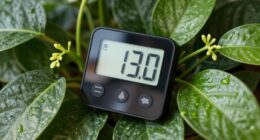
Have you ever wondered how plants communicate their needs? They can’t speak or send emails, but they do send signals through their appearance and behavior. Recognizing these signals helps you understand when your plants need attention, whether it’s water, nutrients, or protection from pests. One of the most obvious signs of stress is wilting. When you notice your plant drooping, it’s often a sign that it’s not getting enough soil moisture. The soil might be too dry, or perhaps the roots aren’t absorbing water efficiently. However, wilting isn’t always due to drought; overwatering can cause root rot, leading to similar symptoms. So, it’s essential to check the soil moisture level before watering again. Stick your finger into the soil about an inch deep—if it feels dry, it’s time to water. If it’s still moist, hold off and wait until it dries out a bit. Wilting can also be linked to pest damage. Insects like aphids or beetles can weaken plant tissues, causing them to lose turgor pressure and wilt even if plenty of water is available. In such cases, inspecting the underside of leaves and stems for pests or eggs becomes essential. Early detection allows you to address pest issues before they cause irreversible damage.
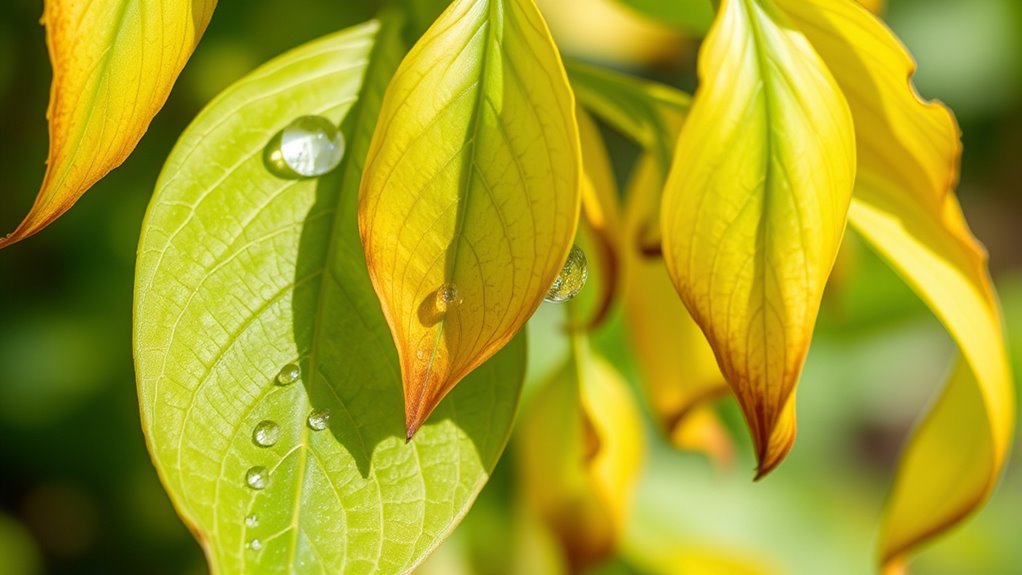
Color changes in leaves provide another critical clue. Healthy plants typically display vibrant green hues, but stress can cause yellowing, browning, or pale patches. Yellowing leaves often suggest nutrient deficiencies or overwatering, but they can also indicate pest damage that disrupts nutrient flow. For instance, pests feeding on the sap can deprive the plant of essential nutrients, leading to discoloration. Conversely, browning edges may point to underwatering or salt buildup in the soil. Recognizing these color signals helps you diagnose the problem accurately and take appropriate action. Sometimes, a plant’s stress response includes the development of spots or lesions, which may be a sign of disease or pest infestation.
Other stress indicators include curling, spots, or unusual leaf patterns. Curling leaves can signal dehydration or pest attack, while spots might suggest fungal infections or nutrient imbalances. By paying close attention to these subtle signs, you can catch issues early and prevent more severe damage. Ultimately, understanding how plants communicate through wilting, color changes, and other stress signals empowers you to respond promptly. Regularly observing your plants’ appearance, checking soil moisture, and inspecting for pests are simple steps that keep your green friends healthy and thriving.

YAMRON 4-in-1 Soil Moisture Meter, Digital Plant Temperature/Soil Moisture Test & PH Meter/Sunlight Intensity, Backlight LCD Display for Gardening, Farming and Outdoor Plants
【4 in 1 function】This is a 4-in-1 multifunctional soil tester.Our soil tester fastly to measure soil moisture, pH,…
As an affiliate, we earn on qualifying purchases.
As an affiliate, we earn on qualifying purchases.
Frequently Asked Questions
How Can I Differentiate Between Stress Signals and Natural Plant Growth?
To tell apart stress signals from natural growth, observe your plant’s growth patterns and seasonal changes. Natural growth typically follows a predictable cycle, with new leaves or flowers appearing gradually. Stress signals, however, often show sudden wilting, discoloration, or irregular growth. If changes seem out of sync with seasonal patterns or happen rapidly, your plant may be stressed. Keep tracking these signs to better understand your plant’s health.
What Environmental Factors Most Commonly Cause Plant Stress Signals?
Environmental factors like poor soil nutrients and pest damage most commonly cause plant stress signals. When soil lacks essential nutrients, your plant may show yellowing leaves or stunted growth. Pest damage can lead to wilting, holes, or discoloration. You should regularly check soil quality and inspect plants for pests. Addressing these issues promptly helps reduce stress signals and keeps your plants healthy and thriving.
Are There Specific Signs for Different Plant Species?
You’ll notice that different plant species show unique stress signs, known as species-specific markers, which help you identify issues quickly. Cultivar differences also influence how plants display stress; for example, some may yellow before wilting, while others stay green longer. By understanding these variations, you can tailor your care to each plant’s needs, improving health and resilience. Recognize these signs early to prevent further stress or damage.
How Quickly Do Plants Typically Show Stress Indicators?
You’re curious about how quickly plants show stress indicators through plant signaling. Stress timing varies among species and environmental conditions, but generally, plants can signal stress within hours to days. You’ll notice early signs like leaf curl or color changes as immediate responses. By observing these signals promptly, you can address issues quickly, helping your plants recover and maintain healthy growth.
Can Stress Signals Predict Long-Term Plant Health Issues?
Did you know 60% of plant health issues could be prevented with early stress signal interpretation? You can use stress signals like wilting or color changes to predict long-term health problems. By paying attention now, you can intervene early and prevent serious damage later. Recognizing these indicators helps you make informed decisions, ensuring your plants stay healthy over time and avoid long-term issues.

Josteve Plant Repotting Mat, 5Pcs Succulent Tools Mini Garden Small Gardening Tools Indoor, Pruning Shear Gardening Scissor, Hand kit for Bonsai, Cactus, Fairy, Houseplant Transplanting, Seedling
Garden Scissors Hand Pruner: Reduce Hand Strain, Ultra Sharp Blades, Secure and Easy to Lock, Make Precise Cuts…
As an affiliate, we earn on qualifying purchases.
As an affiliate, we earn on qualifying purchases.
Conclusion
By paying close attention to wilting, color changes, and other stress signs, you become more in tune with your plants’ needs. Remember, a healthy plant shows its strength through subtle signals, and “a stitch in time saves nine.” When you listen carefully and act promptly, you help your plants thrive. So, stay observant, trust your instincts, and nurture your green friends—they’ll reward you with vibrant life and growth in return.

AKSBTEC 2026 NEW Soil Test Kit 4-in-1 for Lawns & Gardens – 40 Tests (pH, Nitrogen, Phosphorus, Potassium) – Easy Soil Testing Kit for Vegetable Garden, Lawn & Plants
Complete 4-in-1 Soil Test Kit (pH, N, P, K) – This garden soil test kit measures soil pH,…
As an affiliate, we earn on qualifying purchases.
As an affiliate, we earn on qualifying purchases.
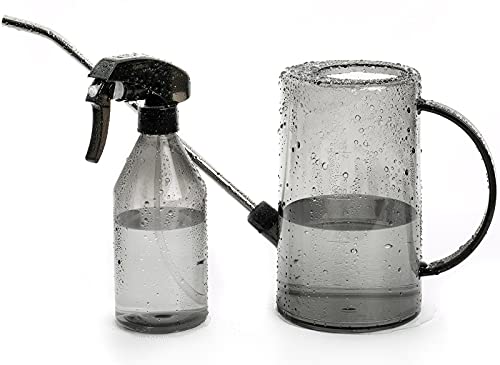
Watering Can Indoor, Small Watering Cans for House Plants, Succulents and Flowers, Long Spout, 1 Liter, with Bonus Plant Mister Spray Bottle
✔LONG STEM SPOUT – helps control the overall water flow, perfect for delivering precise streams of water, directs…
As an affiliate, we earn on qualifying purchases.
As an affiliate, we earn on qualifying purchases.