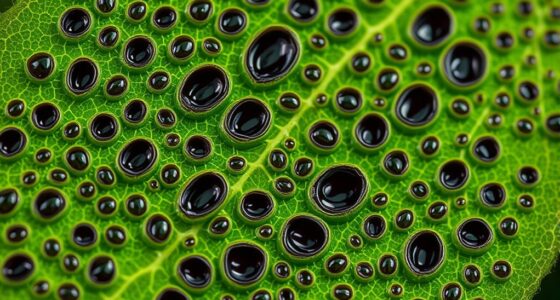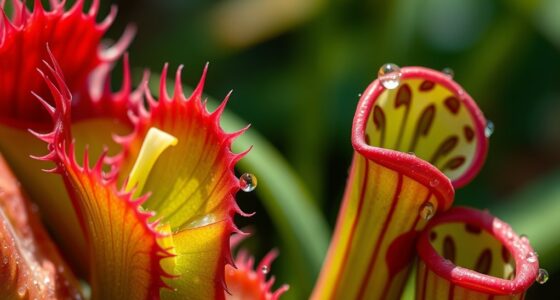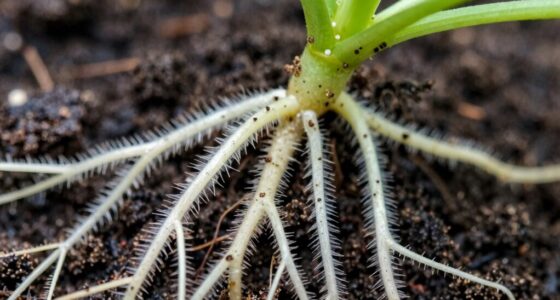
When summer temperatures soar, plants instinctively enter dormancy to protect themselves from damage caused by extreme heat. They halt growth and activate strategies like closing stomata and producing heat-shock proteins to conserve water and prevent cellular harm. These adaptive responses allow plants to pause until conditions become favorable again, ensuring their survival during harsh conditions. If you’re curious about how plants navigate these challenges, you’ll discover more about their fascinating survival tricks.

Get the little things that make your day delivered free with Prime
- Fast, free delivery on millions of items
- Prime Video, Amazon Music and more included
- Member-only deals all year
Key Takeaways
- Plants initiate heat-induced dormancy as an adaptive response to extreme summer temperatures.
- Elevated heat activates signaling pathways that trigger growth halting and protective mechanisms.
- Dormancy helps prevent cellular damage, water loss, and metabolic overload during heat stress.
- Physiological changes include leaf orientation adjustments and developing protective surface structures.
- This survival strategy allows plants to resume growth once temperatures become favorable.

Have you ever wondered how plants and certain animals survive scorching temperatures? When summer hits with relentless heat, many organisms face intense challenges, and plants are no exception. The high temperatures cause what’s known as plant stress, which can threaten their survival. To cope, plants have developed a range of adaptive strategies that help them endure conditions that would otherwise be lethal. One particularly fascinating response is heat-induced dormancy, a survival tactic where plants halt growth and conserve energy until conditions become more favorable.
During extreme heat, plants often enter a state of dormancy as a way to protect themselves from damage. This isn’t just a random slowdown; it’s a carefully orchestrated response triggered by environmental cues like temperature, daylight, and water availability. When temperatures soar, certain metabolic processes become inefficient or harmful. To prevent cellular damage, plants activate mechanisms that shut down growth-related activities and focus on survival. This process involves complex signaling pathways that detect stressful conditions and initiate protective measures, like closing stomata to reduce water loss or producing heat-shock proteins that safeguard cellular structures.
Plants activate protective signals, like closing stomata and producing heat-shock proteins, to survive extreme heat.
Adaptive strategies during heat stress aren’t limited to dormancy. Many plants alter their physiology to minimize stress effects. For instance, some develop thicker cuticles or reflective surfaces that reduce heat absorption. Others modify leaf orientation to avoid direct sunlight during the hottest part of the day. These strategies collectively help plants conserve water, protect vital tissues, and lower metabolic demands. When the environment is too harsh, entering dormancy becomes the ultimate form of adaptation—an active pause that prevents irreversible damage and preserves the plant’s life until cooler, wetter conditions return. Additionally, some plants can modify their internal metabolic pathways to better tolerate high temperatures, further enhancing their resilience.
This process is especially crucial in regions prone to extreme summer temperatures, where prolonged heat can wipe out entire plant populations if they lack effective coping mechanisms. By halting growth, plants reduce their energy expenditure and avoid the risk of dehydration, cellular breakdown, or nutrient loss. Once temperatures drop back to tolerable levels, these dormant plants can reawaken, resume growth, and continue their lifecycle. The ability to switch between active growth and dormancy is a testament to their resilience and the sophisticated adaptive strategies they employ to survive in a changing climate.
Understanding these mechanisms reveals how remarkable plants are at coping with heat stress. It also underscores the importance of preserving diverse plant species, many of which rely on such strategies to survive the increasingly unpredictable weather patterns brought on by climate change. Ultimately, heat-induced dormancy is a crucial survival tool that allows plants to endure the relentless heat of summer and emerge anew when conditions improve. Recognizing the plant stress response mechanisms involved can help in developing resilient crops and conservation efforts in a warming world.
heat-resistant plant grow lights
As an affiliate, we earn on qualifying purchases.
As an affiliate, we earn on qualifying purchases.
Frequently Asked Questions
Can Heat-Induced Dormancy Be Reversed Prematurely?
You might wonder if heat-induced dormancy can be reversed prematurely. Generally, it’s linked to dormancy triggers like high temperatures, which plants use to protect themselves. While some plants with high temperature resilience can restart growth if conditions cool down, others remain dormant until specific cues appear. Reversing dormancy prematurely isn’t always possible, as it depends on the plant’s ability to respond to environmental signals and its dormancy mechanisms.
How Does Heat-Induced Dormancy Affect Plant Reproduction?
Heat-induced dormancy impacts plant reproduction by causing reproductive delays, which can postpone flowering and seed production. During dormancy, energy is conserved, but it may reduce seed viability if conditions don’t improve. You might notice fewer seeds or lower germination rates, affecting future plant populations. This survival strategy helps plants endure extreme temperatures, but it can challenge efforts to cultivate or harvest seeds during heat waves.
Are Certain Plant Species More Prone to Heat-Induced Dormancy?
Imagine a sun-scorched landscape, where some plants seem to freeze in time. Certain species are more susceptible to heat-induced dormancy, mainly due to their genetic makeup and dormancy triggers. These plants, often with thinner leaves or shallow roots, react quickly to extreme temperatures. You’ll notice they pause growth sooner, showing how species susceptibility influences their resilience. Recognizing these patterns helps you understand how nature adapts to scorching summers.
What Are the Long-Term Impacts of Repeated Heat-Induced Dormancy?
Repeated heat-induced dormancy can affect your plants’ long-term health. It may weaken their resilience, making them more vulnerable to pests and diseases. Over time, it can also impact soil health by reducing organic matter input from plant roots. However, some plants may undergo genetic adaptation, developing traits that help them better withstand extreme temperatures. You should consider these factors for sustainable plant management and to promote their long-term survival.
How Do Climate Change Trends Influence Heat-Induced Dormancy Patterns?
You see, climate variability influences how plants respond to temperature changes. As temperatures rise unpredictably, plants develop adaptive responses like altering growth cycles or entering dormancy earlier. These shifts can help them survive, but also challenge ecosystems by disrupting timing. Your role is to monitor these patterns, understanding that increased climate variability pushes plants to adapt more frequently, which could impact their long-term health and survival strategies in changing environments.
dormancy protection plant products
As an affiliate, we earn on qualifying purchases.
As an affiliate, we earn on qualifying purchases.
Conclusion
As you observe plants quietly halting growth during scorching summers, it’s no coincidence that nature’s resilience kicks in precisely when temperatures spike. Their dormancy isn’t just a response, but a quiet affirmation to survival’s subtle artistry. You realize that amidst the heat’s harsh grip, life finds a way to pause, almost in sync with the unpredictable rhythm of the seasons. It’s a reminder that even in extremes, nature’s delicate balance persists—often when you least expect it.
As an affiliate, we earn on qualifying purchases.
heat-shock protein supplements for plants
As an affiliate, we earn on qualifying purchases.
As an affiliate, we earn on qualifying purchases.
Fall Picks
fall essentials
As an affiliate, we earn on qualifying purchases.