You might notice some plants stay small and bushy naturally because of their genetic makeup, which sets limits on their size and shape. Their root systems stay close to the surface, helping control growth, while hormones like cytokinins encourage dense foliage. Short internodes also add to a compact appearance. These traits evolved to help plants survive in tight spaces or resource-limited areas. If you’re curious, there’s plenty more to discover about what makes these plants so naturally small.
Listen free for 30 days with Audible
Thousands of audiobooks and originals — cancel anytime.
As an affiliate, we earn on qualifying purchases.
Key Takeaways
- Genetic traits determine inherent plant size, shape, and bushiness, promoting natural compactness.
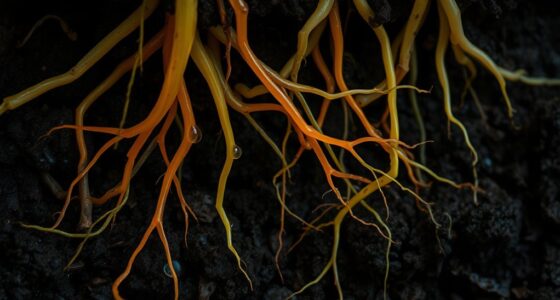
- Dense, fibrous root systems limit spread and support a smaller overall size.
- Hormonal balance, especially higher cytokinins relative to auxins, encourages bushier growth.
- Shorter internodes between leaves and branches create denser foliage and compact form.
- Evolutionary adaptation to limited space environments favors genes that promote compact growth.
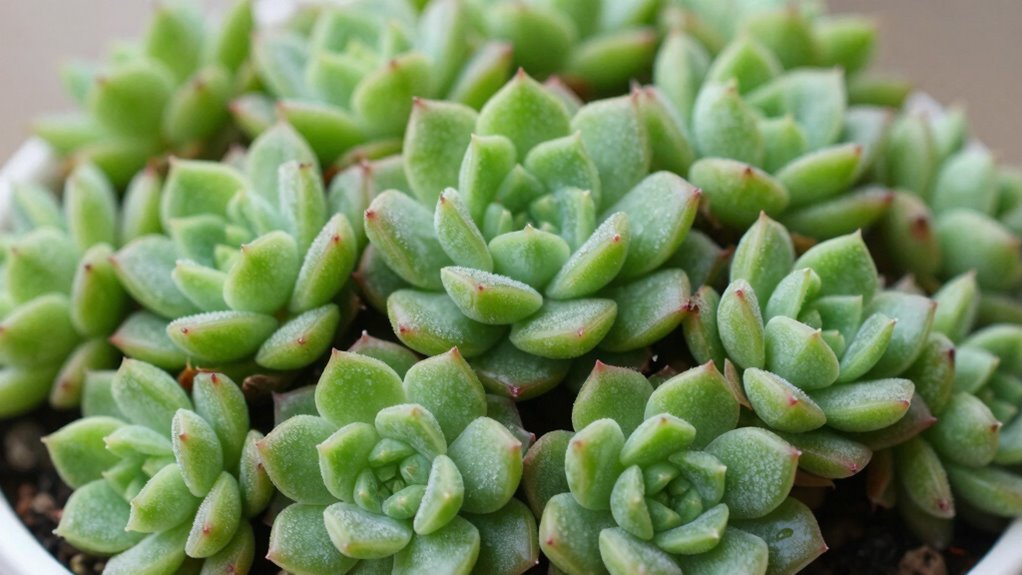
Some plants naturally stay compact without needing pruning or training, thanks to their genetic makeup. This inherent compactness is often linked to their root structure and growth hormone levels, which work together to control how tall and wide a plant can grow. When you look closely, you’ll notice that these plants typically have a more fibrous or dense root system, which limits their ability to spread out extensively. Instead of developing deep or extensive roots, their roots stay close to the surface, supporting a compact growth habit. This root structure acts like a built-in boundary, preventing the plant from outgrowing its space and maintaining a neat, bushy appearance. Additionally, the levels of growth hormones, especially auxins and cytokinins, play a key role in determining a plant’s size and shape. In naturally compact plants, these hormone levels are finely balanced or skewed toward promoting lateral growth over vertical elongation. Higher levels of cytokinins relative to auxins encourage bushier, more compact growth by stimulating the development of numerous side shoots. Conversely, lower auxin levels can limit vertical growth, encouraging the plant to stay low and dense. These hormonal balances are often genetically programmed, ensuring that the plant maintains its compact form without external intervention. You’ll find that many of these plants are also genetically inclined to produce shorter internodes—the segments between leaves or branches—resulting in denser foliage and a more controlled overall size. Their genetic makeup influences how their root structure and growth hormones interact, establishing a natural limit to how tall or wide they can grow. This means that even in ideal growing conditions, they tend to stay smaller and more manageable. In addition, some plants have evolved specific genetic traits that promote compact growth, which helps them adapt to their native environments. Their genes fundamentally set the boundaries for growth, making them ideal choices for small gardens, containers, or indoor settings where space is limited. In fact, some plants have evolved to be naturally compact due to their genetic traits, which helps them survive in environments with limited space or resources. Understanding the biological factors that contribute to their innate compactness can help you select the right plants for your space and appreciate the natural design that keeps them small and tidy. Recognizing these genetic mechanisms can also assist in breeding programs aimed at developing new compact varieties. This natural compactness is a perfect example of how genetics and plant biology work hand-in-hand to create plants that fit perfectly into your home or garden without extra effort on your part.
As an affiliate, we earn on qualifying purchases.
Frequently Asked Questions
Do Naturally Compact Plants Require Less Maintenance Than Larger Varieties?
Yes, naturally compact plants generally require less maintenance than larger varieties. Their growth habits keep them smaller and more manageable, reducing the need for frequent pruning techniques. Because they tend to grow slowly and stay contained, you won’t need to prune as often or worry about overgrowth. This makes them ideal for low-maintenance gardening, as their innate growth habits help keep them neat and healthy with minimal effort on your part.
Can Natural Compactness Be Inherited Through Specific Plant Species?
Genetic traits definitely allow some plants to be naturally compact, as inherited characteristics are passed down through generations. Research suggests that these traits are embedded in the plant’s DNA, making certain species inherently smaller and bushier. So, if a plant is naturally compact, it’s because its genetic makeup has been selected for those traits over time. You can expect these characteristics to be consistently inherited in future generations of that species.
How Does Soil Type Influence the Compactness of a Plant?
Soil type directly influences a plant’s compactness through soil drainage and nutrient availability. Well-draining soil prevents waterlogging, helping roots stay healthy and encouraging a compact growth habit. Conversely, poorly drained soil can cause root rot, leading to weaker, less dense plants. Nutrient-rich soil promotes vigorous growth, often resulting in a more compact and bushy appearance. You should select soil suited to your plant’s needs to optimize its natural compactness.
Are There Any Disadvantages to Growing Naturally Compact Plants?
Growing naturally compact plants can be a double-edged sword. While they often have stronger root development and better pest resistance, their limited size might restrict flowering or fruit production. You might also find them less adaptable to certain garden designs or environmental conditions. Think of these plants as tightly wound springs—though resilient, they can be less flexible, potentially limiting your landscape’s overall diversity and growth potential.
Can Pruning Enhance the Natural Compactness of Certain Plants?
Yes, pruning techniques can enhance the natural compactness of certain plants. By carefully trimming back new growth and using selective pruning, you promote growth regulation, encouraging the plant to develop a denser, more compact shape. Regular pruning prevents the plant from becoming leggy or overgrown, maintaining its natural form. Just remember to prune at the right times and angles, which helps guarantee healthy growth and a tidy, compact appearance.
plants with fibrous root systems
As an affiliate, we earn on qualifying purchases.
As an affiliate, we earn on qualifying purchases.
Conclusion
So, next time you marvel at a perfectly petite plant, just remember—nature’s got a wicked sense of humor. Maybe it’s secretly tired of towering over you or just trying to keep its roots from throwing a wild party underground. Either way, these naturally compact plants are proof that in the world of flora, size isn’t everything—sometimes, being small and mighty is the ultimate power move. Cheers to the little plants that refuse to grow up!
As an affiliate, we earn on qualifying purchases.
As an affiliate, we earn on qualifying purchases.
Flea & tick season Picks
flea and tick prevention
As an affiliate, we earn on qualifying purchases.