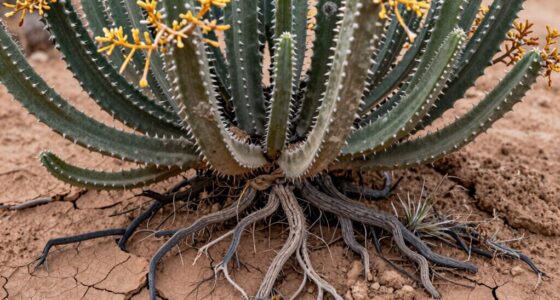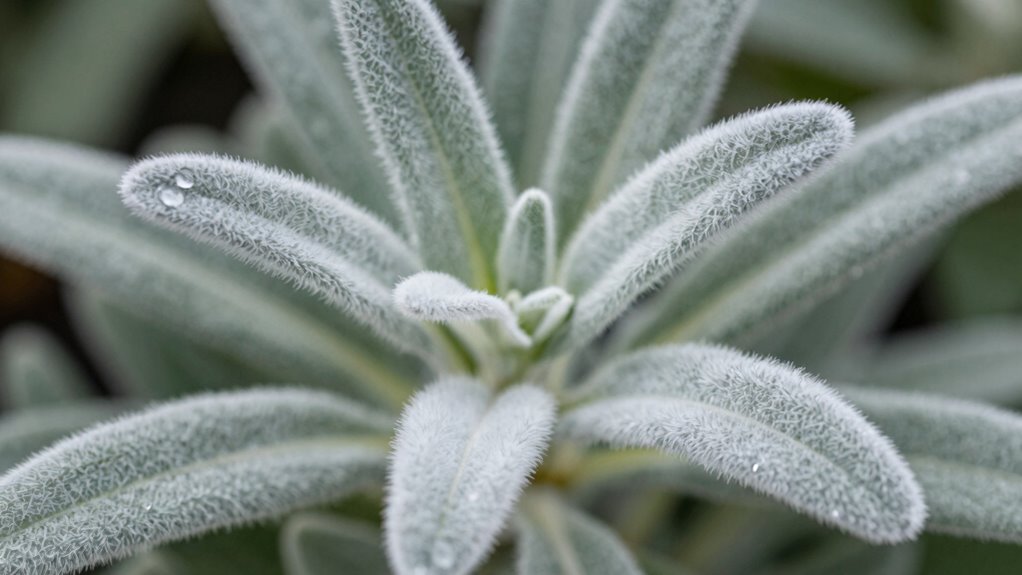

You’ll notice that some plants grow fuzzy leaves to help them survive tough conditions. The tiny hairs trap moisture close to the leaf, reducing water loss during dry spells or intense sunlight. They also act as physical barriers against pests and help reflect sunlight to prevent overheating. These fuzzy coatings offer insulation, protecting plants from temperature shifts and harsh weather. If you keep exploring, you’ll discover even more ways these fuzzy leaves contribute to a plant’s resilience and survival.
Key Takeaways
- Fuzzy leaves trap moisture, aiding plants in dry or arid environments.
- They act as physical barriers deterring pests and insects.
- Fuzzy coverings reflect sunlight and reduce heat absorption, preventing sunburn.
- Tiny hairs insulate plants against temperature fluctuations and harsh weather.
- These adaptations enhance survival and resilience in diverse, challenging habitats.
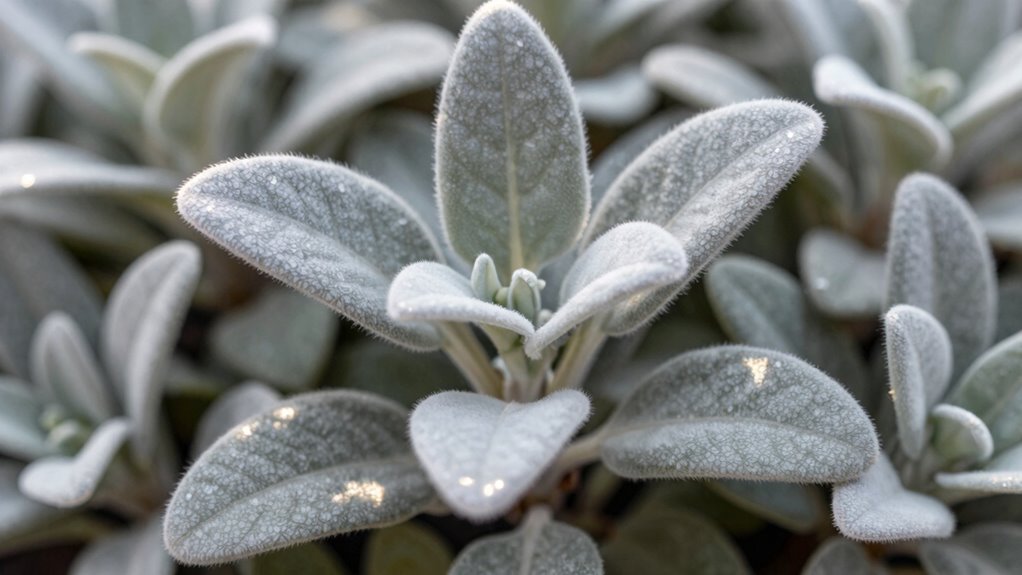
Have you ever noticed that some plants have soft, fuzzy leaves? These fuzzy coverings aren’t just for show; they serve important functions that help the plants survive in their environments. One of the main benefits of fuzzy leaves is their ability to retain leaf moisture. The tiny hairs or trichomes on these leaves act like a natural barrier, trapping moisture close to the plant’s surface. This adaptation is especially useful in dry or arid conditions where water conservation is critical. By keeping moisture in, the plant reduces water loss through evaporation, helping it stay hydrated during periods of drought or intense sunlight. As a result, these fuzzy leaves enable the plant to thrive in environments that might otherwise be too harsh for less specialized species. Additionally, the presence of fuzzy leaves can also influence how the plant interacts with its surrounding ecosystem, supporting biodiversity and ecological balance.
Another significant advantage of fuzzy leaves is their role in pest resistance. The soft hairs create a physical barrier that deters many insects and pests from landing or crawling onto the plant. When pests encounter the fuzzy surface, they often find it uncomfortable or difficult to reach the leaf tissue beneath. This reduces their ability to feed on the plant, decreasing the likelihood of damage or disease transmission. Additionally, some of these hairs can produce or trap chemical compounds that act as natural repellents, further discouraging pest visits. It is also notable that plant adaptations like fuzzy leaves can influence how resilient a plant is to environmental challenges, reducing the need for external interventions. These adaptations can also contribute to a plant’s ability to withstand extreme weather conditions by providing additional protection. Moreover, these adaptations can sometimes help the plant withstand other stresses, such as strong winds or heavy rainfall, by providing additional protection. Interestingly, certain fuzzy plants have also developed UV protection mechanisms through their tiny hairs to shield themselves from harmful sunlight, enhancing their survival prospects. Because of this, plants with fuzzy leaves tend to require fewer chemical pesticides, making them a more environmentally friendly choice for gardeners and landscapers.
The fuzzy coating also helps protect plants from environmental stresses like sunburn and extreme temperatures. The hairs reflect sunlight, reducing the amount of heat absorbed by the leaf surface. This cooling effect can prevent damage caused by intense sunlight, particularly in hot climates. Furthermore, the dense layer of tiny hairs can serve as insulation, buffering the plant against sudden temperature drops and wind chill. This protective feature ensures that the plant maintains a stable internal environment, even when external conditions fluctuate dramatically. These functions highlight the importance of fuzzy leaves as an evolutionary adaptation, enabling plants to survive in diverse and often challenging environments.
In essence, plants with fuzzy leaves have evolved these features as a multifaceted survival strategy. The combination of moisture retention, pest resistance, and environmental protection makes fuzzy leaves an effective adaptation. As you observe these plants, you can appreciate how nature’s design intricately balances different needs, ensuring that these resilient plants continue to thrive in diverse conditions. Their soft, fuzzy coating isn’t just a charming trait—it’s an indispensable tool for their survival.
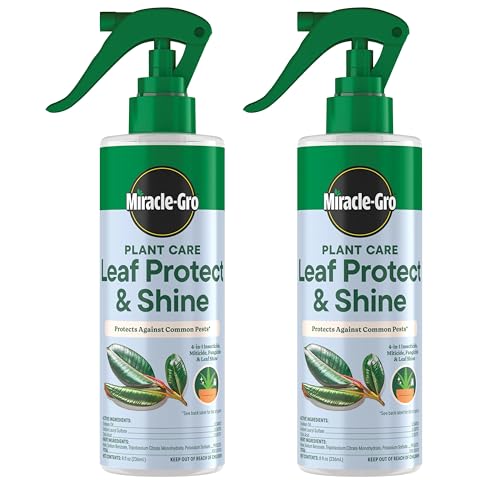
Miracle-Gro Plant Care Leaf Protect & Shine, 8 fl. oz. (2-Pack)
- Multi-purpose plant spray: Protects and beautifies plants
- Indoor plant protection: Kills pests and prevents disease
- Plant leaf shine: Enhances leaf appearance
As an affiliate, we earn on qualifying purchases.
As an affiliate, we earn on qualifying purchases.
Frequently Asked Questions
Do Fuzzy Leaves Indicate Plant Health Issues?
Fuzzy leaves don’t necessarily indicate health issues. Instead, their fuzzy functions often serve as protective adaptations, offering evolutionary advantages like reducing water loss, deterring pests, or shielding from intense sunlight. If your plant’s fuzzy leaves look healthy and aren’t discolored or wilting, it’s likely a normal trait. However, if you notice other signs of distress, such as spots or drooping, it could signal a health problem.
How Do Fuzzy Leaves Affect Plant Watering Needs?
Fuzzy leaves can influence your plant’s watering needs by increasing water retention, as the tiny hairs trap moisture. This slows down the evaporation rate from the leaf surface, meaning your plant may not need watering as frequently. You should monitor soil moisture closely, as the fuzz helps the plant conserve water in dry conditions. Adjust your watering schedule accordingly, ensuring you don’t overwater and cause root issues.
Are Fuzzy Leaves More Prone to Pests?
Fuzzy leaves act like a cozy sweater for plants, but this texture doesn’t necessarily make them more prone to pests. In fact, the dense, hairy surface can serve as a natural barrier, enhancing pest resistance by making it harder for insects to land or feed. So, rather than inviting pests in, fuzzy leaf texture often keeps unwanted critters at bay, helping your plant stay healthier longer.
Can Fuzzy Leaves Be Removed Without Harming the Plant?
Yes, fuzzy leaf removal is possible without harming your plant. Use gentle plant grooming techniques like trimming with clean, sharp scissors or pruning shears to carefully remove fuzzy leaves. Be gentle to avoid damaging healthy tissue, and avoid pulling or tearing leaves. Regularly inspect your plant and remove only the affected fuzzy leaves to promote healthy growth and maintain its overall appearance.
Do All Plants With Fuzzy Leaves Belong to the Same Species?
No, not all plants with fuzzy leaves belong to the same species. You might think fuzzy leaves are a uniform trait, but it’s just a clever plant species trick—like a secret handshake. The fuzzy leaf function varies; it can protect from pests, reduce water loss, or shield from sunlight. So, next time you see fuzzy leaves, remember, they’re nature’s way of keeping plant secrets safe, not a one-size-fits-all club.

Black Velvet Begonia Live Plant Fuzzy Leaf Begonia Plant 4" Pot, Ornamental Houseplant
- Pot Size: 4-inch nursery pot
- Placement: Suitable for desks and shelves
- Care Level: Low maintenance
As an affiliate, we earn on qualifying purchases.
As an affiliate, we earn on qualifying purchases.
Conclusion
So, next time you see a fuzzy leaf, don’t just marvel at its cozy texture. Imagine it lounging in the sun, wearing a fuzzy blanket to ward off pesky predators and punishing sunburns. Who knew plants could be so fashion-forward and survival-savvy? It’s like nature’s way of saying, “Hey, I’ve got my soft armor on—deal with it.” Truly, these fuzzy leaves are the plant world’s version of stylish, resilient sweaters.

DEXI Front Door Mat Outside Entrance, 17×30 Summer Tropical Leaves Plant
- Stylish Welcome Design: Printed with trendy patterns for home decor
- Versatile Indoor/Outdoor Use: Suitable for entrances, garages, patios, porches
- Comfortable and Durable Material: Sturdy, elastic, breathable top; long-lasting TPE backing
As an affiliate, we earn on qualifying purchases.
As an affiliate, we earn on qualifying purchases.
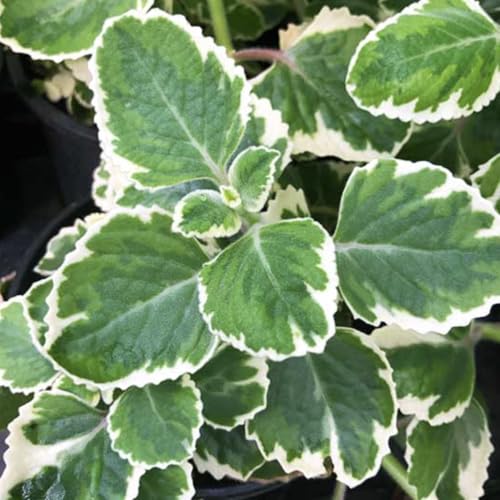
Variegated Cuban Oregano Live Plants (5-9") -Pack of 3 (Three) – Mexican Mint Spanish Thyme – Edible Succulent Herb – Drought Tolerant Indoor/Outdoor Container Garden – Aromatic Cooking Spice
- Pack of 3 Live Plants: Variegated Cuban Oregano, 5-9 inches tall
- Ready-to-Plant: Shipped in grow pots for immediate planting
- Stylish Succulent Herb: Thick, velvety leaves with white margins
As an affiliate, we earn on qualifying purchases.
As an affiliate, we earn on qualifying purchases.