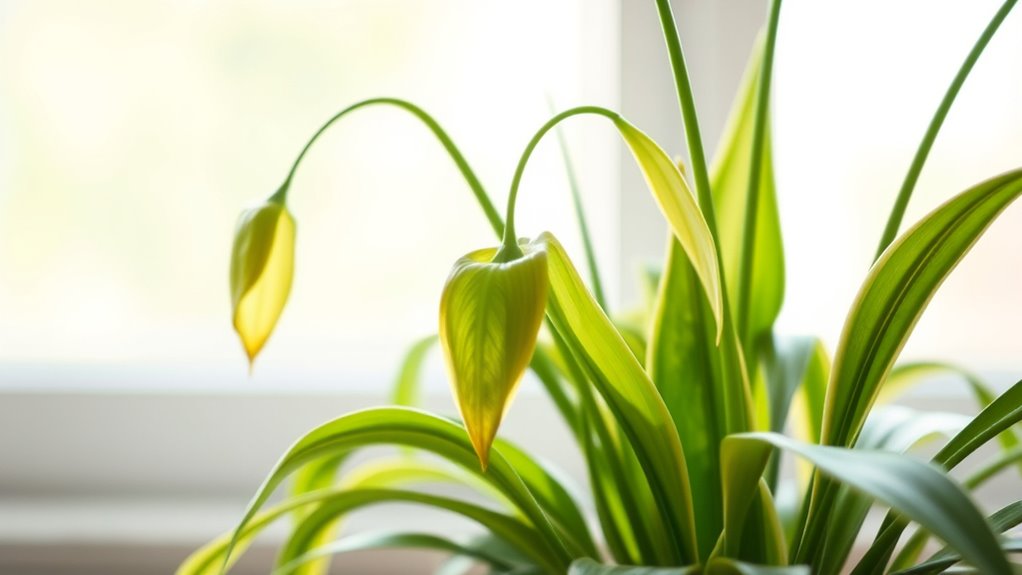

If your plant displays pale, washed-out leaves, stretched stems, or sparse foliage, it’s a sign it needs more light. Watch for yellowing leaves, leggy growth, or leaning toward a light source, which indicate insufficient illumination. These signs suggest the plant is struggling to photosynthesize and grow healthily. Addressing light issues early can help revive your plant’s vigor, so keep exploring the symptoms to guarantee it gets the right amount of light to thrive.
Key Takeaways
- Leaves turn pale, dull, or yellow, indicating reduced chlorophyll production due to insufficient light.
- The plant exhibits elongated stems and sparse foliage as it stretches toward light sources.
- Growth slows significantly or the plant appears smaller and less vigorous over time.
- Leaves drop prematurely or appear faded, signaling energy conservation from lack of adequate light.
- Overall, the plant looks weak, with uneven growth and lackluster appearance, suggesting a need for more illumination.
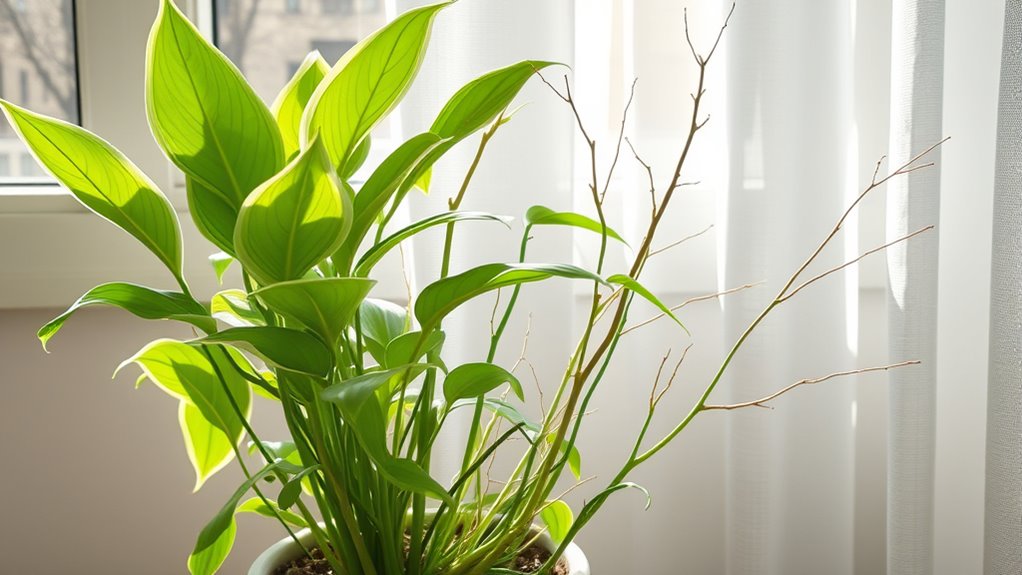
If your plant is struggling to thrive, one common cause is insufficient light. You might notice its leaf color changing, shifting from vibrant green to a duller, washed-out hue. When plants don’t receive enough light, they can’t produce the necessary chlorophyll, which gives leaves their rich green color. As a result, the leaves appear faded or pale, signaling your plant isn’t photosynthesizing efficiently. This pale appearance isn’t just a cosmetic issue; it indicates your plant isn’t getting the energy it needs to grow properly. You may also observe a significant decrease in the plant’s growth rate. Instead of reaching new heights or developing healthy foliage, your plant might seem stagnant or even shrink over time. This slow or halted growth is a clear sign that it’s not getting enough light to fuel cellular processes necessary for development.
Insufficient light causes pale leaves, slow growth, and a dull, washed-out plant appearance.
As you watch your plant, you might notice that it begins to stretch or lean toward a light source. This phenomenon, called etiolation, occurs when plants stretch out in search of more light, resulting in elongated stems and sparse foliage. The plant’s growth pattern becomes awkward and leggy, with gaps between leaves. This stretching steals energy from the plant, making it weaker overall. If you see these signs, it’s a strong indication that your plant needs more illumination to support healthy, compact growth. Additionally, if the leaves start to drop or yellow, it’s another red flag. Yellowing leaves can be caused by a lack of chlorophyll production, which is directly tied to insufficient light. Leaf drop might occur because the plant is conserving energy or simply unable to sustain its foliage without enough sunlight. These symptoms often appear gradually, so keeping an eye on leaf color and overall vigor can help you catch the problem early.
In many cases, you might notice that your plant’s overall appearance is dull or lackluster. The vibrancy of its foliage diminishes, and it lacks the lively, lush appearance it once had. This dullness is a key sign that your plant isn’t photosynthesizing effectively, which is only possible with adequate light. If you notice these signs, it’s time to contemplate repositioning your plant or increasing its exposure to natural or artificial light sources. Providing more light can revive dull leaves, accelerate growth, and restore your plant to a healthier, more vigorous state. Recognizing the importance of light for photosynthesis can help you better understand and address your plant’s needs.
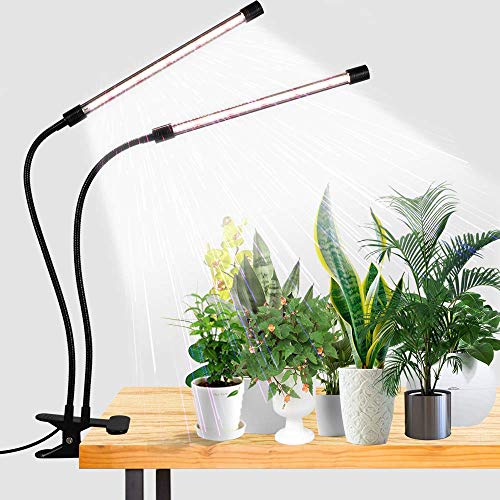
GooingTop LED Grow Light,6000K Full Spectrum Clip Plant Growing Lamp with White Red LEDs for Indoor Plants,5-Level Dimmable,Auto On Off Timing 4 8 12Hrs
6000K White Light – equipped with 10 Red + 74 White LEDs, this growing Lamp is similar to…
As an affiliate, we earn on qualifying purchases.
As an affiliate, we earn on qualifying purchases.
Frequently Asked Questions
Can Too Much Direct Sunlight Harm My Plant?
Yes, too much direct sunlight can harm your plant. Excessive light intensity causes leaves to scorch, turn brown, or develop crispy edges. While plants generally thrive in indirect light, prolonged exposure to intense sunlight can stress them out. To protect your plant, place it where it gets bright but filtered light, and avoid the harshest midday sun. Monitor your plant’s response and adjust its location as needed.
How Do I Measure the Light Levels in My Home?
Think of your home as a canvas, and light as the brushstroke that brings it alive. To measure light levels accurately, you can use light meters, which act as your artistic eye, capturing brightness precisely. Alternatively, sunlight charts offer a visual guide to sun exposure. By utilizing these tools, you guarantee your plants receive just the right amount of light, nurturing their growth and your home’s vibrant energy.
What Are the Best Windows for Plant Placement?
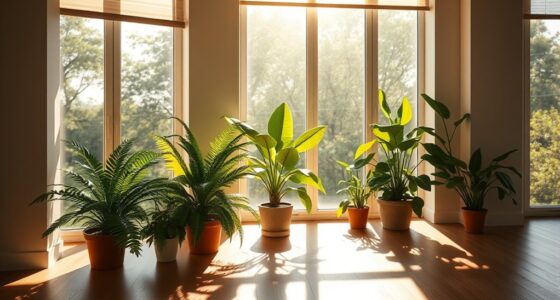
When choosing the best windows for plant placement, opt for those with ample natural light, such as south or east-facing windows. Consider window placement carefully, ensuring your plant gets consistent light without direct, harsh sunlight that can scorch leaves. Use light filtering curtains if needed to diffuse intense rays. This setup helps your plant thrive by providing steady, ideal light exposure while protecting it from potential sun damage.
Do Plant Types Vary in Light Requirements?
A wise gardener knows that different plant species have unique light preferences. You should always consider their specific needs, as some thrive in bright, direct sunlight, while others prefer low light conditions. Remember, “One size doesn’t fit all,” especially when it comes to plants. By understanding the light requirements of each plant species, you can guarantee they stay healthy and flourish in your home or garden.
How Often Should I Rotate Plants for Even Light Exposure?
You should rotate your plants every week to guarantee even light exposure. This helps prevent uneven growth caused by inconsistent light intensity and light duration. By turning your plants regularly, you allow all sides to receive equal light, promoting healthier, balanced growth. Keep an eye on the plant’s response—if you notice uneven growth or leaning, rotate more frequently. Regular rotation maximizes light benefits and keeps your plants thriving.

Aokrean Plant Grow Light, 48 LEDs Full Spectrum Grow Lights for Indoor Plants, Height Adjustable Small Halo Grow Light with Base, 3 Optional Spectrums, Auto Timer 3/9/12Hrs, 10 Brightness, 3 Pack
NOTE: The product stand needs to be pressed down by the flower pot to be stable. Not wireless…
As an affiliate, we earn on qualifying purchases.
As an affiliate, we earn on qualifying purchases.
Conclusion
If you notice your plant leaning, stretching toward the light, or its leaves losing their vibrant color, it’s a clear sign it needs more sunshine. Don’t ignore these signals—plants thrive with the right amount of light, just like us. When you give your plant what it needs, you’ll see it flourish and bring life into your space. Remember, a little extra attention now can make all the difference—don’t let your green friend be left in the dark.
GooingTop LED Grow Light,6000K Full Spectrum Clip Plant Growing Lamp with White Red LEDs for Indoor Plants,5-Level Dimmable,Auto On Off Timing 4 8 12Hrs
6000K White Light – equipped with 10 Red + 74 White LEDs, this growing Lamp is similar to…
As an affiliate, we earn on qualifying purchases.
As an affiliate, we earn on qualifying purchases.

Grow Light Bulbs, Briignite LED Grow Light Bulb A19 Bulb, Full Spectrum Grow Light Bulb, Plant Light Bulbs E26 Base, 11W Grow Bulb 100W Equivalent, Grow Light for Indoor Plants, Seed Starting, 2Pack
Full Spectrum & Natural Light: A19 full spectrum grow light appears 4000K white to the eye but has…
As an affiliate, we earn on qualifying purchases.
As an affiliate, we earn on qualifying purchases.