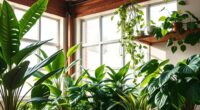
When choosing decorative pots that won’t harm your plants, prioritize those with drainage holes to prevent overwatering and root rot. Consider materials like porous terracotta for plants needing dry soil or glazed ceramics for moisture-loving ones. Quick-drying pots help prevent excess moisture buildup. Selecting styles that match both your space and plant needs guarantees health and beauty. Keep exploring to find the perfect balance between style and plant care that suits your space.

Get the little things that make your day delivered free — and shop member deals
- Fast, free delivery on millions of items
- Access to Prime Big Deal Days deals on October 6–7
- Prime Video, Amazon Music and more included
Key Takeaways
- Select pots with drainage holes or add gravel to prevent waterlogging and root rot.
- Use porous materials like terracotta to promote moisture evaporation and healthy roots.
- Match pot material and size to your plant’s water needs and growth space.
- Ensure lightweight, sturdy materials for indoor placement and heavy, durable options for outdoors.
- Consider both aesthetic style and practical drainage features to protect plant health and enhance decor.

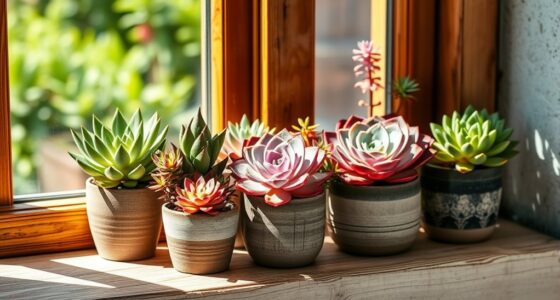
Decorative pots can transform your space, but choosing the right ones requires more than just picking a style you like. You need to consider how the plant pot materials and decorative pot styles will impact your plants’ health and your overall decor. The material of your plant pot influences drainage, moisture retention, and durability. For example, clay or terracotta pots are porous, allowing excess moisture to evaporate and helping prevent root rot. However, they can dry out quickly, so plants that prefer consistently moist soil may not thrive in these. On the other hand, glazed ceramic pots are non-porous, retaining moisture longer and making them suitable for plants that prefer damp soil. Plastic pots are lightweight, inexpensive, and retain moisture well, but they may not be as breathable, increasing the risk of overwatering if you’re not careful.
Choosing the right plant pot material affects drainage, moisture retention, and plant health.
When choosing decorative pot styles, think about how they complement your plant’s needs and your aesthetic. Sleek, modern styles with clean lines work well in contemporary spaces, while ornate or vintage designs add charm to traditional interiors. The shape and size of your pot also matter—large pots provide room for root growth, but they can be heavy and harder to move. Smaller pots are easier to manage but may require more frequent watering. Remember that the style of your pot should harmonize with your plant’s natural beauty; a bold, colorful pot can make a statement, while neutral tones can let the plant stand out.
Beyond looks, consider practicality. Drainage is vital because excess water can drown roots and cause disease. Many decorative pots come with drainage holes, but if yours doesn’t, you might want to add a layer of gravel or stones at the bottom for better drainage. If you’re using a decorative pot without drainage, ensure you’re watering carefully to avoid waterlogging. Also, think about placement—heavy materials like concrete or stone might be perfect for outdoor settings, but they can be cumbersome indoors. Lightweight options like resin or plastic are easier to move around but ensure they’re sturdy enough to support your plant.
Finally, mixing and matching plant pot materials and styles allows you to create a dynamic and personalized display. Combining different textures, shapes, and colors can add visual interest and reflect your personality. Just keep in mind that choosing pots that harmonize with your plant’s needs and your space’s environment ensures your plants stay healthy while your decor looks stunning. With thoughtful consideration of plant pot materials and decorative pot styles, you’ll find options that enhance your space and nurture your plants at the same time. Incorporating proper drainage methods can greatly improve your plant’s health and lifespan.
decorative plant pots with drainage holes
As an affiliate, we earn on qualifying purchases.
As an affiliate, we earn on qualifying purchases.
Frequently Asked Questions
Are Ceramic Pots Better Than Plastic for Plant Health?
Ceramic pots are better than plastic for plant health because they offer superior drainage benefits, helping prevent overwatering and root rot. Additionally, ceramic pots often have a more aesthetic appeal, adding charm to your space. They are porous, allowing moisture to escape, which promotes healthier roots. While plastic is lightweight and affordable, ceramic provides a more natural environment that supports your plants’ growth and overall well-being.
How Do I Prevent Root Rot in Decorative Pots?
To prevent root rot in decorative pots, you should improve soil aeration by adding gravel or sand at the bottom and guarantee proper watering practices. Water only when the top inch of soil feels dry, and avoid overwatering. Make sure your pot has drainage holes to allow excess water to escape. Regularly check your plants for signs of overwatering, and adjust your watering schedule accordingly to keep roots healthy.
Can Decorative Pots Affect Indoor Humidity Levels?
Think of your decorative pot as a gentle garden keeper; it influences indoor humidity like a quiet breeze. If it traps too much moisture, soil moisture levels rise, increasing humidity and risking mold. Good air circulation acts like a gust of fresh air, helping regulate humidity and keep your plants healthy. So, choose pots with proper drainage and guarantee adequate airflow, and your indoor space will thrive harmoniously.
What Are Eco-Friendly Materials for Decorative Plant Pots?
You should look for eco-friendly materials like biodegradable options and recycled materials for your decorative plant pots. Biodegradable options, such as terracotta or bamboo, break down naturally without harming the environment. Recycled materials, like reclaimed wood or repurposed plastics, reduce waste and give new life to old items. Choosing these options helps protect the planet while adding stylish, sustainable touches to your indoor or outdoor garden.
How Often Should I Repot My Plants Into New Decorative Containers?
Don’t wait for a plant to outgrow its pot before repotting. You should typically repot every 1-2 years, or when you notice roots circling the soil surface. Follow soil drainage and pot size guidelines to guarantee healthy growth. When repotting, choose a slightly larger container, and refresh the soil to prevent root bound issues. Regular repotting keeps your plants thriving and prevents them from being “cramped” in their current home.
terracotta plant pots for dry soil
As an affiliate, we earn on qualifying purchases.
As an affiliate, we earn on qualifying purchases.
Conclusion
Choosing the right decorative pot isn’t just about style—it’s about nurturing your plant’s future. When you pick a pot that’s safe and suitable, you’re planting the seeds for healthy growth and vibrant life. Remember, your plant’s well-being is the silent symphony behind every beautiful display. So, don’t just choose for looks; choose with care, and watch your plant thrive like a well-kept secret waiting to bloom into its fullest potential.
glazed ceramic plant pots moisture retaining
As an affiliate, we earn on qualifying purchases.
As an affiliate, we earn on qualifying purchases.
As an affiliate, we earn on qualifying purchases.
Evergreen bestsellers Picks
bestsellers
As an affiliate, we earn on qualifying purchases.