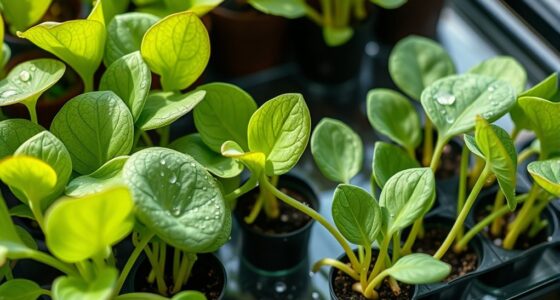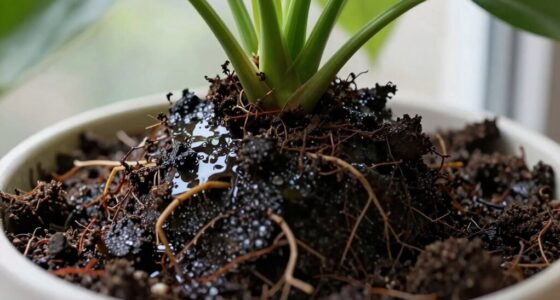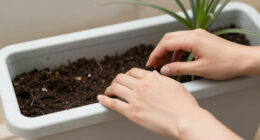
Moving plants between indoors and outdoors stresses them due to sudden changes in soil, light, and temperature. Your plants struggle with different soil nutrients, inconsistent sunlight, and temperature fluctuations. Rapid shifts don’t give roots time to adapt, increasing their vulnerability to pests and diseases. To keep your plants healthy, it’s best to make gradual adjustments. If you want to understand how to help your plants shift smoothly, keep exploring these key factors.

Get the little things that make your day delivered free — and shop member deals
- Fast, free delivery on millions of items
- Access to Prime Big Deal Days deals on October 6–7
- Prime Video, Amazon Music and more included
Key Takeaways
- Sudden changes in soil conditions can stress roots and hinder plant health.
- Rapid shifts in sunlight exposure may cause leaf scorch or sunburn.
- Temperature fluctuations can lead to shock, leaf curling, or dropping.
- Quick transitions prevent roots from properly adapting to new environments.
- Inadequate gradual adjustment increases vulnerability to pests and diseases.

Many plants struggle with shifting between indoor and outdoor environments because their delicate balance of light, humidity, and temperature gets disrupted. When you move a plant from one setting to another, it must quickly adapt to new conditions, and that’s where problems often begin. One key challenge is soil adaptation. Indoor soil tends to be different from outdoor soil—often more nutrient-rich, less aerated, or lacking the proper drainage. When you transplant a plant, it needs to adjust its roots to the new soil composition. If the soil isn’t suitable or if the changeover is rushed, the plant can become stressed, making it more vulnerable to pests and diseases. Sometimes, the plant’s roots struggle to establish themselves in the unfamiliar environment, which hampers overall growth and health.
Sunlight adjustment is another critical factor that trips up many plants. Indoor environments usually provide less intense or more filtered light, while outdoor sunlight can be overwhelmingly bright or, conversely, inconsistent due to weather changes. When you move a plant outdoors, it must gradually get used to the increased intensity, or it risks sunburn or shock. Conversely, bringing a plant inside requires you to find a spot with enough light—often more than it’s used to—so it can adjust without becoming stressed. If you don’t ease the plant into its new lighting conditions, it might suffer from leaf scorch, wilting, or slowed growth. The same applies when moving a plant indoors; sudden changes in light levels can cause leaves to yellow or drop as the plant struggles to reorient itself. Proper light management is essential for minimizing stress during these transitions.
Temperature swings also complicate these transitions. Outdoor air tends to be more variable, with fluctuations in temperature that indoor environments usually buffer against. When you move a plant outside, it might face daytime heat or cold nights, which it’s not accustomed to. Moving it indoors again, especially during colder months, requires careful temperature regulation. Otherwise, the plant can go into shock, showing signs like leaf curling, drooping, or even leaf drop. Additionally, understanding the plant’s light requirements and how they adapt helps prevent stress during these transitions. Overall, plants thrive best when changes are made gradually, giving them time to adapt their soil needs, sunlight exposure, and temperature. Rushing this process often leads to stress, making the plant more susceptible to damage and less likely to flourish in its new environment.
As an affiliate, we earn on qualifying purchases.
Frequently Asked Questions
How Can I Tell if My Plant Is Stressed After Moving?
You can tell your plant is stressed after moving if you notice signs like wilting, yellowing leaves, or leaf drop. These symptoms often result from plant shock or root disturbance during the move. Keep a close eye on its watering needs—overwatering or underwatering can worsen stress. Give it time to adjust, and make sure it’s in the right light and temperature to help it recover from the disturbance.
What Are the Best Times of Year to Move Plants?
The best times for plant transplanting are during early spring or early fall, when seasonal adjustments are less stressful for plants. Moving during these periods allows plants to establish roots before extreme weather changes. Avoid transplanting in the heat of summer or when winter frosts are imminent. By choosing ideal seasons, you reduce stress and give your plants a better chance to thrive after being moved indoors or outdoors.
Do Indoor Plants Need Different Soil Than Outdoor Plants?
Ever wonder if indoor plants need different soil than outdoor ones? They often do, because soil composition and drainage requirements vary. Indoor plants typically prefer lightweight, well-draining soil that retains some moisture, while outdoor plants may need richer, more aerated soil to handle natural elements. Adjusting your soil to meet each plant’s specific needs helps them thrive, whether inside or outside. Isn’t it worth giving your plants the perfect foundation?
Can Moving Plants Cause Long-Term Health Issues?
Moving plants can cause long-term health issues if you’re not careful. You might trigger root shock, which weakens the plant and hampers growth. Additionally, stressed plants become more susceptible to pests and diseases. To prevent this, move your plants gradually, provide proper care, and avoid disturbing their roots too much. This approach helps your plants adjust better and stay healthy long-term.
How Do I Acclimate Plants to New Environments Gradually?
Think of your plant as a traveler adjusting to new lands. To prevent plant shock, you need to ease its progression. Gradually expose it to its new environment, starting with short periods of outdoor sun or indoor brightness. This helps reduce root disturbance and allows your plant to adapt comfortably. Over time, increase exposure slowly, giving it time to develop resilience and thrive in its new home.
As an affiliate, we earn on qualifying purchases.
Conclusion
So, next time you consider moving your plants indoors or outdoors, remember they’re not just stubborn; they’re sensitive to change. Some experts say plants struggle because they get overwhelmed by new light, temperature, and humidity levels. While it might seem like they hate the move, it’s really just their way of saying, “Hey, I need time to adapt!” Giving them patience and proper care makes the shift smoother and keeps your green friends happy.
plant humidity and temperature monitor
As an affiliate, we earn on qualifying purchases.
As an affiliate, we earn on qualifying purchases.
gradual plant light adjustment kit
As an affiliate, we earn on qualifying purchases.
As an affiliate, we earn on qualifying purchases.
Halloween Picks
halloween
As an affiliate, we earn on qualifying purchases.