Why Some Plants Hate Being Moved Indoors and Outdoors
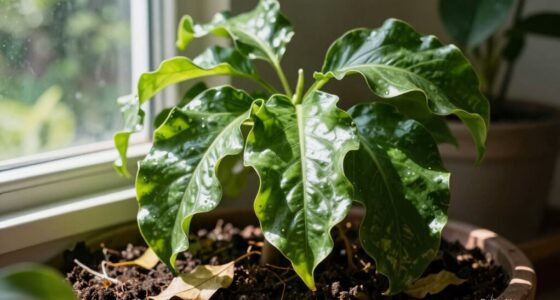
Kept in unfamiliar environments, some plants struggle to adapt due to sudden changes in soil, light, and temperature, leaving you wondering how to help them adjust smoothly.
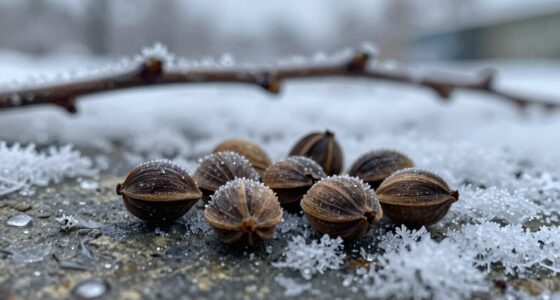
B**ecause cold stratification signals winter’s end, understanding why some seeds need cold before sprouting reveals how plants survive and thrive through seasonal changes.
What Your Plant’s Leaf Shape Reveals About Its Native Habitat
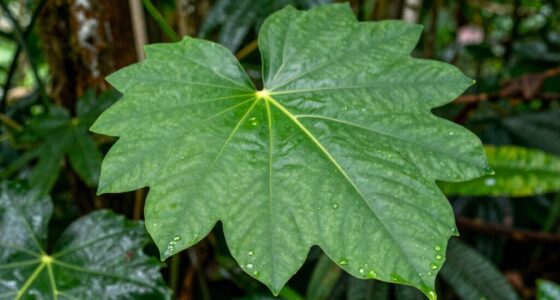
Narrowing down your plant’s environment, its leaf shape holds clues that can unveil surprising details about its native habitat and survival strategies.
Phenotypic Plasticity: How Plants Adapt Form in Response to Environment
Understanding phenotypic plasticity reveals how plants dynamically adapt their form to environmental changes, prompting questions about the mechanisms behind their remarkable flexibility.
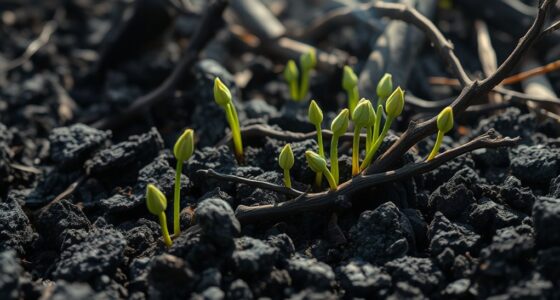
Fire Followers: How Some Plants Need Fire to Germinate
Plants called fire followers depend on wildfire cues to germinate, revealing fascinating adaptations that thrive only after fire, but how exactly do they do it?
C4 Vs C3: Why Some Plants Have Turbocharged Photosynthesis
Meta description: “Many plants utilize different photosynthesis pathways, but understanding why C4 plants outperform C3 under stress reveals fascinating adaptations that could transform agriculture.