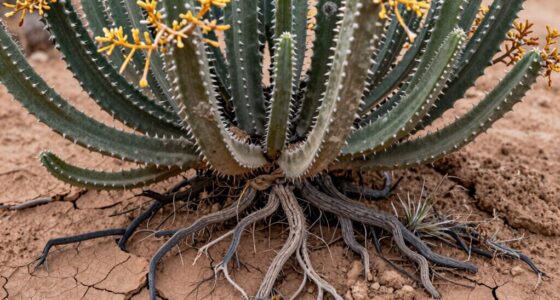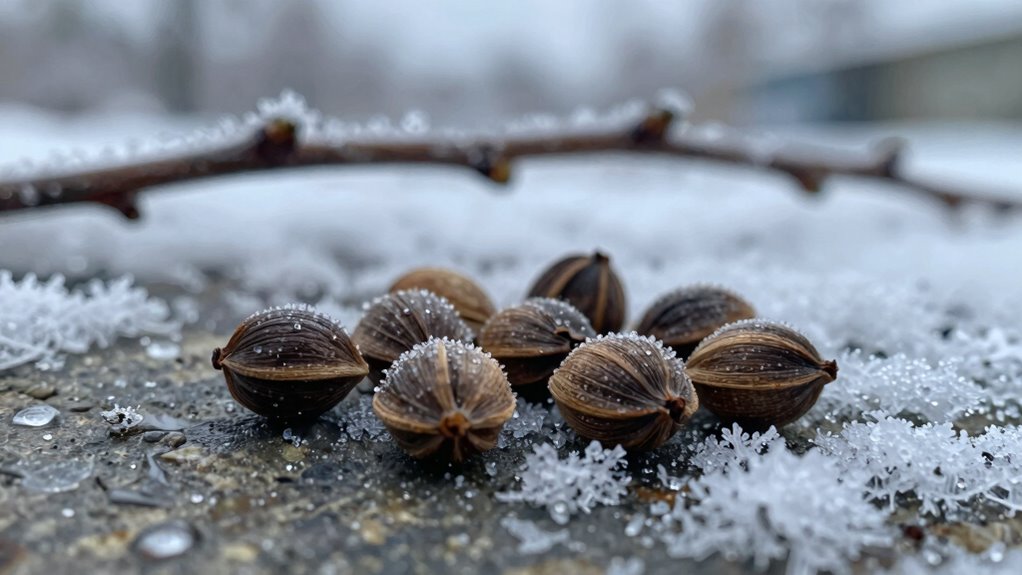
Some seeds need cold temperatures to break dormancy and sprout because it signals that winter has passed and conditions are right for growth. This cold period, called stratification, mimics natural winter chill in their native environments. It guarantees seeds only sprout when the weather warms up, avoiding damage from late frosts or unsuitable conditions. Keep exploring, and you’ll discover more about how this process helps plants thrive.

Get the little things that make your day delivered free with Prime
- Fast, free delivery on millions of items
- Prime Video, Amazon Music and more included
- Member-only deals all year
Key Takeaways
- Cold temperatures break seed dormancy, signaling it’s time to sprout in favorable conditions.
- Many seeds require cold stratification to mimic natural winter conditions for germination.
- Cold treatment prevents premature sprouting during unseasonably warm periods.
- Exposure to cold activates enzymes and processes needed for seed germination.
- Cold conditions align seed sprouting with seasonal environmental cues for optimal growth.
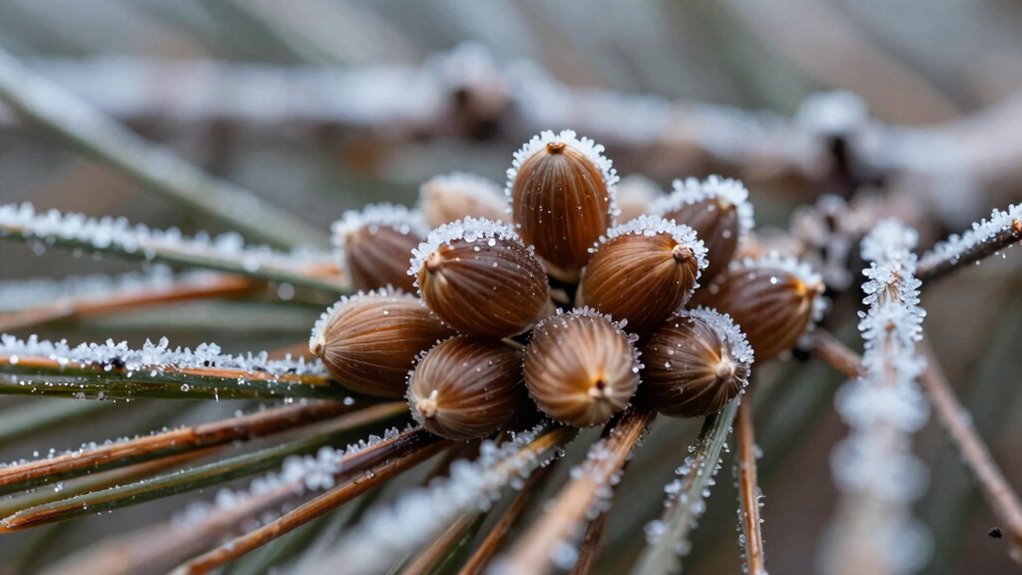
Many seeds require a period of cold weather to break dormancy and trigger sprouting. This process is crucial for certain plants to guarantee they only sprout when environmental conditions are ideal for growth. Seed dormancy is a natural mechanism that prevents seeds from germinating prematurely, especially during periods when survival chances are low. By requiring a specific set of temperature requirements, these seeds avoid sprouting during warm spells in winter or early spring, which could jeopardize their development. When you plant seeds that need cold stratification, you’re practically mimicking the natural winter chill that prompts them to wake from dormancy.
The reason some seeds need cold before they can sprout lies in their evolutionary adaptations. In their native environments, these seeds have evolved to wait for consistent cold temperatures to break their dormancy. This ensures they don’t sprout during an unseasonably warm spell, only to be damaged by late frosts or insufficient growing conditions. When you understand this, you realize that cold stratification isn’t just a gardening trick—it’s an indispensable part of the seed’s life cycle. The temperature requirements for these seeds act as a natural timer, ensuring they sprout at the right time of year, typically in spring when conditions are most favorable.
If you’re trying to grow cold-requiring seeds, you need to pay close attention to their temperature needs. Usually, this involves exposing the seeds to a period of cold, around 32 to 41 degrees Fahrenheit (0 to 5 degrees Celsius), for several weeks. During this time, the cold signals to the seed that winter has arrived and that it’s time to prepare for growth. You can achieve this by placing the seeds in a refrigerator or a cold storage area, kept moist but not waterlogged. This cold treatment simulates winter, breaking seed dormancy and allowing germination to proceed when the conditions change.
Once the cold period is complete, and the seed’s dormancy is broken, you’ll notice the seed is ready to sprout when you plant it in warmer soil. This process aligns with the natural cycle of many plants, ensuring successful germination and healthy growth. Understanding the importance of temperature requirements helps you optimize your planting strategy, especially when working with species that depend on cold stratification. By providing the right cold treatment, you’re giving these seeds the best chance to grow strong and healthy, mimicking their natural environment and respecting their natural dormancy mechanisms.
As an affiliate, we earn on qualifying purchases.
Frequently Asked Questions
Can Seeds That Need Cold Also Sprout Without It?
Yes, some seeds that need cold to break seed dormancy can still sprout without it, but their germination rate might decrease. Cold exposure acts as a germination trigger, signaling the seed that conditions are right for sprouting. Without this cold treatment, the seed may remain dormant longer or fail to sprout altogether. To guarantee successful germination, providing the necessary cold period mimics natural conditions and triggers seed dormancy release.
How Long Should Seeds Be Kept Cold for Optimal Sprouting?
Imagine the seed nestled in a chilly embrace, waiting to awaken. For ideal sprouting, you should keep seeds in cold stratification for about 4 to 12 weeks, depending on the type. This cold dormancy break resets their internal clock, signaling it’s time to grow. Check specific seed instructions, as stratification timing varies. Keep the temperature consistently cold, around 1-5°C (34-41°F), for the best results.
Do All Plants Require Cold Stratification to Sprout?
Not all plants require cold stratification to sprout. Some seeds have seed dormancy that prevents germination until specific conditions, like cold temperatures, act as germination triggers. If a seed doesn’t need cold, it will germinate when other conditions are right, such as moisture and warmth. Cold stratification helps break seed dormancy in certain species, but many plants simply need proper moisture and temperature to sprout.
What Temperatures Are Ideal During the Cold Stratification Process?
Think of cold stratification as a gentle lullaby for seeds, guiding them from dormancy to life. During this process, you want temperatures that gently whisper dormancy breaking—ideally between 32°F and 41°F (0°C to 5°C). These temperature thresholds mimic winter’s chill, signaling the seed to wake up. Keep the environment consistent, ensuring it’s cold enough to trigger sprouting but not freezing, for healthy, successful germination.
Can Cold Treatment Harm Sensitive Seeds?
Cold treatment can harm sensitive seeds if the temperature is too low or exposure lasts too long, risking damage due to temperature sensitivity. You should monitor the temperature carefully to prevent breaking seed dormancy unintentionally or causing irreversible harm. Mild cold stratification helps break seed dormancy safely, but excessive cold or duration can stress or kill delicate seeds. Always follow recommended guidelines for each seed type to guarantee healthy sprouting.
refrigerator seed germination kit
As an affiliate, we earn on qualifying purchases.
As an affiliate, we earn on qualifying purchases.
Conclusion
So, next time you notice seeds lying dormant in the cold, remember they’re just waiting for the right signal to grow. By experiencing the chill, they break dormancy and prepare for sprouting when conditions are just right. Isn’t it fascinating how nature’s timing is so perfectly tuned? It’s like seeds have their own secret code, needing cold to activate their potential. Embrace the cold season—your future garden depends on it.
As an affiliate, we earn on qualifying purchases.
As an affiliate, we earn on qualifying purchases.
Fall Picks
fall essentials
As an affiliate, we earn on qualifying purchases.