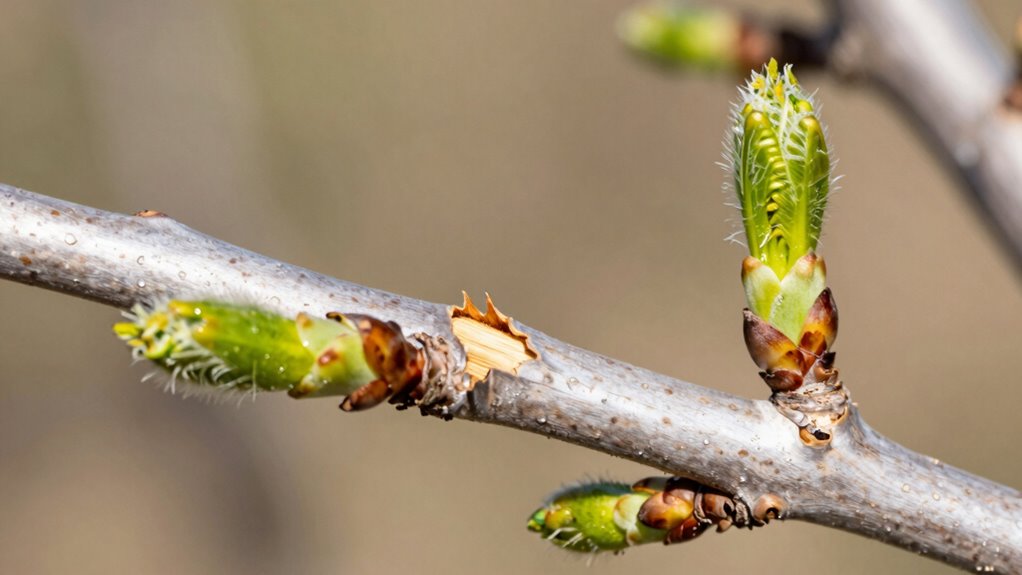

When you prune or cause breakage, your plant activates repair processes by forming protective callus tissue and initiating root regeneration to stabilize itself. It redirects nutrients stored in its tissues to the damaged areas, supporting healing and new tissue growth. Chemical signals trigger cells to divide and differentiate, sealing wounds and restoring structure. These remarkable responses help your plant recover stronger than before—if you want to understand how these methods work, keep exploring these fascinating mechanisms.

Get the little things that make your day delivered free with Prime
- Fast, free delivery on millions of items
- Prime Video, Amazon Music and more included
- Member-only deals all year
Key Takeaways
- Plants activate repair mechanisms, including root regeneration, to restore stability after pruning or breakage.
- Chemical signals trigger dormant or new root cells to promote growth and maintain plant support.
- Nutrients are rapidly redistributed through vascular tissues to fuel tissue repair and regeneration.
- Callus tissue forms at wound sites, acting as a protective barrier and differentiating into new tissues.
- Overall resilience is enhanced as plants recover through coordinated root growth and tissue healing processes.
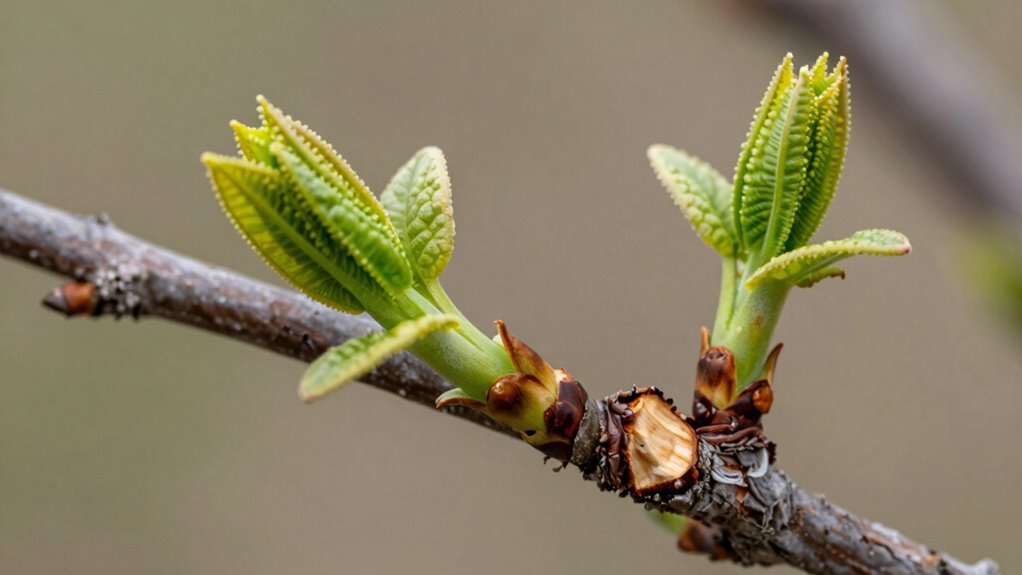
When plants sustain damage, they don’t just recover passively; instead, they activate sophisticated repair mechanisms to heal themselves. Whether you’ve pruned a branch or a storm has broken part of the plant, it responds by initiating processes that restore its structure and vitality. One of the key responses involves root regeneration, which ensures the plant maintains stability and continues to access water and nutrients. If the above-ground parts are damaged, the plant redirects energy downward, promoting new root growth. This allows it to anchor itself firmly in the soil and continue nutrient uptake, essential for recovery and growth. Root regeneration is a vital part of the plant’s resilience, especially when the main root system is compromised. The plant detects the injury through chemical signals and activates dormant or new root cells to grow and fill in the gaps. This process not only stabilizes the plant but also creates a foundation for new shoots to emerge. Additionally, the plant’s ability to respond quickly to injury is essential for its survival and recovery. Understanding the plant’s innate healing mechanisms can help gardeners and botanists better support recovery after damage. Alongside root regeneration, nutrient redistribution plays a crucial role in healing. When damage occurs, the plant quickly reallocates nutrients stored in its tissues to support repair, utilizing the plant’s vascular system for efficient transport. It channels resources like sugars, amino acids, and minerals to the wounded areas to promote cell division and tissue regeneration. This nutrient redistribution is especially important after pruning or breakage, as it helps the plant recover faster and strengthens the new growth. The plant’s vascular system, which includes the xylem and phloem, works tirelessly to move nutrients from healthy parts to the damaged site. This targeted redistribution ensures that the healing process is efficient, minimizing energy waste and accelerating tissue repair. Furthermore, plants often activate specific genes linked to wound healing that facilitate rapid tissue regeneration and protection. During this healing process, the plant also produces protective compounds, such as callus tissue, around the wound site. This tissue acts as a barrier, preventing infection and further damage. As the plant continues to heal, these callus cells differentiate into new tissues, gradually closing the wound and restoring the plant’s integrity. The combined efforts of root regeneration and nutrient redistribution showcase the plant’s incredible ability to adapt and recover from injuries. Though the process takes time, it underscores the resilience built into plant biology. Recognizing the importance of plant resilience can lead to more effective horticultural practices and support natural recovery processes. With each repair, the plant not only restores its original form but often emerges stronger, better prepared to face future challenges. This natural healing process highlights the importance of understanding how plants respond to damage and how their innate mechanisms keep them thriving despite setbacks.
As an affiliate, we earn on qualifying purchases.
Frequently Asked Questions
How Long Does It Take for a Plant to Fully Recover?
It typically takes a plant several weeks to a few months to fully recover, depending on the extent of damage. During this time, your plant focuses on root growth and nutrient uptake to rebuild its structure. You can support recovery by providing proper watering, nutrients, and avoiding further stress. Be patient, as healthy roots and steady nutrient absorption are key to a strong, resilient plant.
Can Pruning Damage Be Prevented With Proper Techniques?
Yes, pruning damage can be prevented with proper techniques. By following correct pruning techniques, you minimize stress and injury to your plants, reducing the risk of damage. Always use sharp, clean tools, make clean cuts at the right angle, and avoid over-pruning. Damage prevention starts with understanding your plant’s growth habits and pruning at the right time, ensuring healthy, resilient plants with fewer repair needs after pruning.
Do Different Plant Species Heal at Different Rates?
Yes, different plant species heal at different rates. You’ll notice some plants quickly seal wounds with plant hormones that promote wound sealing, while others take longer. Factors like the plant’s age, health, and environment affect healing speed. When you prune or break branches, understanding these differences helps you care for each plant properly, ensuring it recovers well by supporting natural wound sealing processes and minimizing infection risks.
Should I Use Any Products to Promote Healing?
You don’t need fancy products to promote healing; nature’s own plant hormones do the work. Ironically, applying external healing compounds can sometimes interfere with this natural process. Instead, focus on proper pruning techniques and keeping your plant healthy—these support recovery better. Trust that your plant’s innate ability, guided by plant hormones, will efficiently heal itself. Just give it time, proper care, and minimal interference.
What Signs Indicate a Plant Is Struggling to Recover?
You’ll notice signs like wilting, yellowing leaves, or slow growth, which suggest your plant is struggling to recover. If you see these, it might mean wound sealing isn’t happening effectively, possibly due to disrupted growth hormones. Keep an eye on new growth, and guarantee your plant’s environment is ideal. Proper pruning and avoiding stress can help support natural healing, promoting better wound sealing and recovery.
root growth stimulator for plants
As an affiliate, we earn on qualifying purchases.
As an affiliate, we earn on qualifying purchases.
Conclusion
So, next time you prune or break a branch, remember—your plant secretly cheers, knowing it gets a chance to show off its resilience. Ironically, what seems like a setback actually sparks its best recovery efforts. You might think you’re damaging it, but in reality, you’re just giving it a mini makeover. So go ahead, break a little branch—your plant’s just enthusiastic to remind you that even in damage, there’s a chance for new growth and beauty.
plant callus tissue formation products
As an affiliate, we earn on qualifying purchases.
As an affiliate, we earn on qualifying purchases.
As an affiliate, we earn on qualifying purchases.
Fall Picks
fall essentials
As an affiliate, we earn on qualifying purchases.