
The best indoor houseplants balance the look you want with the light and care your home can provide. I’d make the Costa Farms ZZ Plant my best overall pick for its forgiving care needs, while the Snake Plant suits low-light rooms and the Peace Lily adds a flowering focal point. The main tradeoff is straightforward: easy-care plants offer flexibility, while patterned foliage and blooms often ask for closer attention. This roundup also includes practical plant-care books for readers who want guidance before bringing a plant home. Read on for all 13 picks, what sets them apart, and how to choose one for your space.

Get the little things that make your day delivered free with Prime
- Fast, free delivery on millions of items
- Prime Video, Amazon Music and more included
- Member-only deals all year
Key Takeaways
- The ZZ Plant and Snake Plant lead for flexible care: both make more sense for busy owners than the humidity-sensitive Maranta and Calathea.
- Decorative impact comes with different upkeep: Peace Lily and Anthurium bring flowers, while the Chinese Evergreen and prayer plants stand out through foliage.
- Low-light tolerance is not the same as no-light tolerance: the Snake Plant is the lineup’s clearest fit for dimmer rooms, but every live plant still needs some suitable light.
- The guidebooks serve different needs: Pocket Guide to Houseplants favors quick reference, while Plantopedia and The Complete Guide offer broader care and selection coverage.
- The right choice depends on the buyer’s main goal: choose a live plant for an immediate display, a book for ongoing guidance, or Lucky Bamboo for a sculptural arrangement.
| Plantopedia: The Definitive Guide to Houseplants |  | Best for Building Houseplant Know-How | Format: Guide | Subject: Houseplant care and cultivation | Intended use: Learning about and maintaining indoor plants | VIEW ON AMAZON | See Our Full Breakdown |
| Pocket Guide to Houseplants: Over 240 Easy-Care Favorites |  | Best for Plant Shopping | Publisher: Creative Homeowner | Format: Pocket guide | Dimensions: 5 x 7 inches | VIEW ON AMAZON | See Our Full Breakdown |
| Lemon Lime Maranta Prayer Plant in 4-Inch Pot |  | Best for Colorful, Pet-Conscious Homes | Plant type: Lemon Lime Maranta Prayer Plant | Use: Indoor | Approximate height: 12–16 inches | VIEW ON AMAZON | See Our Full Breakdown |
| Costa Farms Live ZZ Plant in Decorative Pot |  | Best for Low-Fuss Spaces | Plant type: ZZ plant (Zanzibar Gem) | Use: Indoor | Pot: 6-inch plastic pot | VIEW ON AMAZON | See Our Full Breakdown |
| Costa Farms Peace Lily Live Indoor Plant in 6-inch Bamboo Pot |  | Best for a Flowering Tabletop Display | Brand: Costa Farms | Plant type: Peace Lily | Pot: 6-inch bamboo pot | VIEW ON AMAZON | See Our Full Breakdown |
| Houseplants: The Complete Guide to Choosing, Growing, and Caring for Indoor Plants | 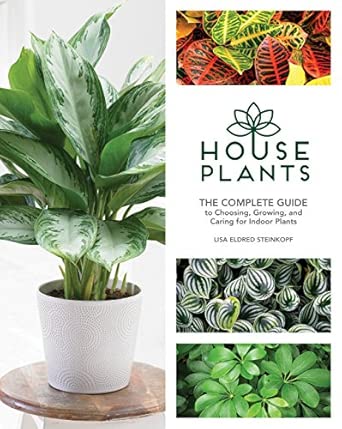 | Best for Building a Care Library | Format: Book | Subject: Indoor plants | Coverage: Choosing, growing, and caring for indoor plants | VIEW ON AMAZON | See Our Full Breakdown |
| Lucky Bamboo Live Plant, Two-Tier Indoor Arrangement |  | Best Soil-Free Decorative Pick | Plant: Dracaena sanderiana (Lucky Bamboo) | Arrangement: Two-tier | Stalk count: 21 | VIEW ON AMAZON | See Our Full Breakdown |
| How Not to Kill Your Houseplant (New Edition): Survival Tips for the Horticulturally Challenged |  | Best for Nervous Beginners | Format: Book | Edition: New edition | Subject: Houseplant care | VIEW ON AMAZON | See Our Full Breakdown |
| Rattlesnake Calathea Live Indoor Plant |  | Best for Patterned Foliage | Plant: Calathea lancifolia (Rattlesnake Calathea) | Use: Indoor | Expected height: 9 inches | VIEW ON AMAZON | See Our Full Breakdown |
| Costa Farms Snake Plant – Live Indoor Plant, Air Purifying, Low Light |  | Best Low-Maintenance Multi-Pack | Plant: Sansevieria (Snake Plant) | Pack: 3 plants | Plant height: 8–12 inches | VIEW ON AMAZON | See Our Full Breakdown |
| Costa Farms Chinese Evergreen Indoor Plant in 6-Inch Planter |  | Best for Color in Medium Light | Plant type: Chinese evergreen (Aglaonema) | Height at shipping: Approximately 14–15 inches | Expected plant height: 36 inches | VIEW ON AMAZON | See Our Full Breakdown |
| Pink Anthurium Live Plant, Approx. 13-16″ Tall in 4″ Nursery Pot – Air Purifying Houseplant |  | Best for Long-Lasting Blooms | Plant height: Approximately 13–16 inches | Pot size: 4-inch nursery pot | Color: Pink | VIEW ON AMAZON | See Our Full Breakdown |
| Costa Farms Money Tree Live Indoor Plant in Decorative Pot |  | Best Pet-Friendly Desk Accent | Plant type: Pachira aquatica (Money Tree) | Height on arrival: 12–16 inches | Expected plant height: 84 inches | VIEW ON AMAZON | See Our Full Breakdown |
| indoor houseplants for | Watering |
|---|---|
| Plantopedia: The Definitive Gu | — |
| Pocket Guide to Houseplants: O | — |
| Lemon Lime Maranta Prayer Plan | Every 1–2 weeks when the top half of the soil is dry |
| Costa Farms Live ZZ Plant in D | Approximately 1 cup every 2 weeks |
| Costa Farms Peace Lily Live In | Once a week, approximately 1 cup |
| Houseplants: The Complete Guid | — |
| Lucky Bamboo Live Plant | Keep roots submerged in clean water and refresh regularly |
| How Not to Kill Your Houseplan | — |
| Rattlesnake Calathea Live Indo | About once a week or when topsoil is dry |
| Costa Farms Snake Plant | — |
| Costa Farms Chinese Evergreen | Water when the top 2 inches of soil are dry |
| Pink Anthurium Live Plant | Keep soil evenly moist; allow the top inch to dry |
| Costa Farms Money Tree Live In | Weekly; moderate moisture |
More Details on Our Top Picks
Plantopedia: The Definitive Guide to Houseplants
Plantopedia is the broad-reference pick for readers who want guidance beyond choosing a single easy-care plant. Its focus on houseplant care and cultivation makes it a better fit for learning how to maintain a varied indoor collection than the Pocket Guide to Houseplants, which prioritizes quick identification and easy-care favorites. That breadth may also help readers compare the needs of different plants before bringing one home. The tradeoff is that the supplied product details do not specify its format, organization, or the depth of coverage for individual species, so I can’t judge how convenient it is to use while shopping. Choose it for general houseplant learning; skip it if you need a compact, illustrated field guide or verified species-by-species care details.
Pros:- Dedicated to houseplant care and cultivation
- Broad reference format can support a collection rather than a single plant
- Useful as a general learning resource for indoor greenery
Cons:- Product details do not specify the guide’s format or how easy it is to consult
- No listed species count or sample care topics to gauge coverage
- Less clearly suited to shopping trips than the pocket-sized illustrated guide
Best for: New or growing plant owners who want a general care reference for maintaining multiple kinds of houseplants
Not ideal for: Shoppers who need a small, illustrated guide to carry in a store or detailed, verified care instructions for a particular species
- Format:Guide
- Subject:Houseplant care and cultivation
- Intended use:Learning about and maintaining indoor plants
- Coverage:Houseplants
- ASIN:1925811778
- Specific species count:Not provided
Our verdict“Choose Plantopedia if you want a general houseplant-care reference, but pick the Pocket Guide to Houseplants for a portable, illustrated shopping companion.”
Pocket Guide to Houseplants: Over 240 Easy-Care Favorites
For choosing a plant in person, this guide’s 5 x 7-inch pocket format and more than 300 photos and illustrations give it a practical advantage over the broader-reference approach of Plantopedia. Its listings cover over 240 easy-care favorites, so readers can compare a wide range of lower-fuss options without relying on names alone. That makes it a useful companion for shoppers who want visual help matching plants to their preferences. The limitation is the same focus that makes it approachable: complex or demanding species are outside its stated scope, and the compact format may leave less room for detailed care guidance. Choose it for quick identification and easy-care browsing, not as your only resource for troubleshooting a particular plant.
Pros:- Compact 5 x 7-inch size is convenient to carry
- Covers more than 240 easy-care plant species
- Includes more than 300 photos and illustrations
- Supports quick visual identification while shopping
Cons:- Easy-care focus excludes more demanding species
- Pocket format may limit the depth of care instructions
Best for: Plant shoppers who want a portable visual guide to compare easy-care houseplants while browsing
Not ideal for: Collectors seeking detailed care instructions for demanding or unusual species, or readers who want an in-depth reference book
- Publisher:Creative Homeowner
- Format:Pocket guide
- Dimensions:5 x 7 inches
- Plant count:More than 240 species
- Visual content:More than 300 photos and illustrations
- Focus:Easy-care houseplants
- ASIN:1580118461
Our verdict“Pick this guide for portable, visual help choosing approachable plants; choose Plantopedia if broad houseplant-care reference material matters more.”
Lemon Lime Maranta Prayer Plant in 4-Inch Pot
The Lemon Lime Maranta is the foliage-first choice for a home where bold pattern matters more than minimal care. Its yellow-green markings and dark veins offer more visual movement than the upright, mostly green leaves of the Costa Farms ZZ Plant, and its leaves fold upward at night for an added point of interest. It arrives in a 4-inch nursery pot and is described as non-toxic to cats and dogs, a useful distinction from plants that need to be kept out of reach. The tradeoff is that this Maranta asks for a warm, humid setting and moderate watering; it is less forgiving of dry indoor conditions than the ZZ. Choose it for a bright, comfortably humid room, not for a hands-off plant corner.
Pros:- Distinctive lemon-lime markings with dark green veins
- Leaves fold upward at night
- Described as non-toxic to cats and dogs
- Compact 4-inch pot suits smaller display spaces
Cons:- Needs a warm, humid environment
- Requires more attentive moisture management than the ZZ plant
- Plant color and shape may vary
Best for: Plant owners with cats or dogs seeking colorful foliage for a warm, humid room with bright indirect light
Not ideal for: People who want a drought-tolerant, low-attention plant or cannot provide warmth and humidity
- Plant type:Lemon Lime Maranta Prayer Plant
- Use:Indoor
- Approximate height:12–16 inches
- Pot size:4 inches
- Light:Bright, indirect light; partial sun
- Watering:Every 1–2 weeks when the top half of the soil is dry
- Temperature:65–75°F (18–24°C)
- Soil and moisture:Loam; moderate moisture
- Pet safety:Described as non-toxic to cats and dogs
Our verdict“Choose the Maranta for patterned, pet-conscious indoor greenery if you can provide humidity; choose the ZZ for easier care.”
Costa Farms Live ZZ Plant in Decorative Pot
The ZZ plant is the strongest fit here for buyers who want greenery without a demanding routine. Its slow growth and medium, indirect-light preference suit a desk or shelf better than the Lemon Lime Maranta, which needs warmth and humidity to look its best. The supplied watering guidance—about one cup every two weeks—also gives beginners a simple starting point. Its upright foliage brings a tidy, architectural look, though the listed mature height of 48 inches means it may eventually outgrow a small tabletop. The main practical drawback is the 6-inch pot with no drainage holes: excess water needs careful management to reduce the risk of root problems. This pick favors easy care over pet safety; it should be kept out of reach and not consumed.
Pros:- Slow-growing habit suits desk and shelf placement
- Medium, indirect light works for many indoor spaces
- Straightforward watering guidance supports beginner care
- Upright foliage gives a clean, architectural appearance
Cons:- The pot has no drainage holes, so excess water needs careful handling
- Keep out of reach of pets and children; not intended for consumption
- Listed mature height of 48 inches may exceed tabletop scale
Best for: Beginners and busy office workers seeking a slow-growing plant for medium-light desks, shelves, or tabletops
Not ideal for: Homes with curious pets or children, and buyers who want a pot with drainage holes or a reliably small mature plant
- Plant type:ZZ plant (Zanzibar Gem)
- Use:Indoor
- Pot:6-inch plastic pot
- Drainage holes:None
- Light:Medium, indirect light
- Watering:Approximately 1 cup every 2 weeks
- Expected mature height:48 inches
- Growth habit:Slow-growing
- Pet and child safety:Keep out of reach; not intended for consumption
Our verdict“Pick the ZZ for a low-attention, upright plant in a pet-free space, but choose the Maranta if pet-conscious foliage is the priority.”
Costa Farms Peace Lily Live Indoor Plant in 6-inch Bamboo Pot
The Peace Lily brings a flowering focal point to this group: deep green foliage paired with white blooms gives it a more formal display than the foliage-only ZZ or Maranta. It arrives at about 15 inches tall in a decorative bamboo pot, making it ready to serve as an office accent or tabletop centerpiece. Weekly watering is a more frequent routine than the ZZ’s approximate two-week schedule, and the Peace Lily’s bright, indirect-light preference narrows where it will be happiest. The pot has no drainage holes, so careful watering matters here too. Unlike the Maranta, this plant is toxic to humans and pets if ingested, which can rule it out for some households. Choose it for flowers and décor where it can be kept safely out of reach.
Pros:- White blooms add a flowering display beyond foliage
- Deep green leaves suit a polished tabletop or office accent
- Arrives in a decorative 6-inch bamboo pot
- Weekly watering guidance provides a simple care routine
Cons:- Toxic to humans and pets if ingested
- Pot lacks drainage holes, requiring careful watering
- Needs bright, indirect sunlight and more frequent watering than the ZZ
Best for: Adults furnishing a bright, indirect-light office or tabletop who want foliage and white blooms in a decorative pot
Not ideal for: Households with pets or young children who may chew plants, or buyers seeking a low-watering plant with a draining pot
- Brand:Costa Farms
- Plant type:Peace Lily
- Pot:6-inch bamboo pot
- Shipping height:Approximately 15 inches
- Expected mature height:48 inches
- Light:Bright, indirect sunlight
- Watering:Once a week, approximately 1 cup
- Special features:Flowers; described as air purifying
- USDA hardiness zone:10b–11
Our verdict“Choose this Peace Lily for a flowering indoor centerpiece in a child- and pet-free spot, but opt for the ZZ if lower watering demands matter more.”
Houseplants: The Complete Guide to Choosing, Growing, and Caring for Indoor Plants
A broad reference for choosing and caring for indoor plants makes this book a better fit for readers who want guidance across a range of houseplants, rather than a quick rescue manual. Compared with How Not to Kill Your Houseplant, whose appeal is its humorous, beginner-focused troubleshooting, this title is framed as a complete guide covering selection, growing, and care. That wider scope may help a new owner make choices before bringing a plant home, not just respond when one looks unwell. The tradeoff is that the supplied details do not identify specific plant profiles, illustrations, or the level of care detail, so buyers cannot judge how deep the reference goes. I’d choose it for a general indoor-plant starting point, not for a guaranteed answer to a particular plant problem.
Pros:- Covers choosing, growing, and caring for indoor plants
- Broad scope suits readers building a general houseplant reference
- Can inform plant selection as well as routine care
Cons:- Available product details do not specify the guide’s depth or organization
- No particular plant profiles, troubleshooting topics, or visual aids are identified
Best for: New indoor gardeners who want one general reference for choosing plants and learning the basics of ongoing care
Not ideal for: Readers seeking a specific plant’s care instructions or a clearly described illustrated reference, since those details are not provided
- Format:Book
- Subject:Indoor plants
- Coverage:Choosing, growing, and caring for indoor plants
- Title:Houseplants: The Complete Guide to Choosing, Growing, and Caring for Indoor Plants
- ASIN:1591866901
- Plant type:Houseplants
Our verdict“Choose this as a general houseplant reference if you want guidance from plant selection through care, but look elsewhere for confirmed plant-by-plant detail.”
Lucky Bamboo Live Plant, Two-Tier Indoor Arrangement
For a compact decorative accent without potting soil, this two-tier lucky bamboo arrangement offers a distinct alternative to foliage plants such as the Rattlesnake Calathea. Its 21 Dracaena sanderiana stalks grow in water, so the care routine centers on keeping roots submerged and refreshing the water rather than checking soil moisture. That can suit desks or offices where a clean, contained display is preferred. It still needs attention: water must be refreshed regularly, and the listed indirect-light preference rules out spots that receive strong direct sun. Stalk height, shape, and foliage may vary, so the delivered arrangement may not match a precise styling expectation. I’d pick this for its sculptural two-tier form and soil-free setup, not for dramatic leafy texture or a completely hands-off plant.
Pros:- Grows in water without requiring soil
- Two-tier form creates a defined decorative silhouette
- 21 stalks provide a fuller arrangement than a small single-stalk display
- Indirect-light care suits many indoor settings
Cons:- Requires clean water and regular refreshes
- Stalk height, shape, and foliage may vary
- Not suited to direct-sun locations
Best for: Office workers or apartment dwellers who want a soil-free indoor accent and can refresh its water regularly
Not ideal for: Buyers who want a precisely matched arrangement, vivid patterned foliage, or a plant that can be left unattended for long stretches
- Plant:Dracaena sanderiana (Lucky Bamboo)
- Arrangement:Two-tier
- Stalk count:21
- Growing method:Water-grown; no soil required
- Use:Indoor
- Sunlight:Indirect sunlight; partial shade
- Watering:Keep roots submerged in clean water and refresh regularly
- USDA hardiness zone:10
- Color and style:Natural; modern
Our verdict“Choose this lucky bamboo for a structured, soil-free display if regular water changes fit your routine.”
How Not to Kill Your Houseplant (New Edition): Survival Tips for the Horticulturally Challenged
Clear steps, practical troubleshooting, and humor give this guide a specific job in the roundup: helping inexperienced owners build confidence with common houseplant problems. Compared with Houseplants: The Complete Guide to Choosing, Growing, and Caring for Indoor Plants, this book is positioned less as a broad care reference and more as an approachable survival guide. That direct, light tone may make basic advice easier to stick with, especially for readers who worry about making mistakes. The tradeoff is its stated beginner focus; experienced growers looking for advanced methods may find the guidance too basic. Product details do not name particular plants or describe the troubleshooting topics, so buyers should treat it as general help rather than a confirmed solution for every species.
Pros:- Beginner-friendly, step-by-step approach
- Practical troubleshooting is aimed at common plant problems
- Humorous tone offers an accessible alternative to a formal reference
- Focuses on helping inexperienced owners keep plants alive
Cons:- Advanced gardeners may find the material too basic
- Provided product details do not identify specific plant-by-plant guidance
Best for: First-time plant owners who want friendly, step-by-step guidance for everyday care and common problems
Not ideal for: Experienced indoor gardeners seeking advanced techniques or detailed, confirmed instructions for a particular species
- Format:Book
- Edition:New edition
- Subject:Houseplant care
- Audience:Inexperienced plant owners
- Approach:Step-by-step advice with humor
- Coverage:Practical care advice and troubleshooting
- ASIN:0744087880
Our verdict“Pick this over a broad reference if you are new to plant care and want an approachable guide for basic routines and troubleshooting.”
Rattlesnake Calathea Live Indoor Plant
Distinctive patterned leaves make this Rattlesnake Calathea a foliage-first choice, unlike the upright, restrained look of the Costa Farms Snake Plant. At an expected height of 9 inches, it can add visual detail without taking up the vertical space of a taller statement plant. Its care demands are more particular, though: it prefers partial sun and humid conditions, with watering roughly weekly or when the topsoil dries. Monthly feeding from spring to fall adds another recurring task. The description gives no specific humidity or temperature targets, which leaves some uncertainty for homes with dry indoor air. I’d choose it for a spot where its patterned leaves can be appreciated and humidity is manageable; buyers wanting a forgiving, low-watering plant should favor the Snake Plant instead.
Pros:- Colorful, patterned foliage provides more visual detail than the Snake Plant
- Expected 9-inch height suits smaller display areas
- Indoor use and partial-sun preference suit many bright, indirect-light spaces
- Watering and seasonal fertilizing guidance are provided
Cons:- Prefers humid conditions that may be difficult to maintain in dry homes
- Product details give no specific humidity or temperature guidance
- Requires more regular watering and seasonal feeding than the Snake Plant
Best for: Plant owners who prioritize decorative foliage and can provide a humid indoor setting with regular watering
Not ideal for: Busy beginners or people in dry rooms who want a low-maintenance plant with clearly specified care tolerances
- Plant:Calathea lancifolia (Rattlesnake Calathea)
- Use:Indoor
- Expected height:9 inches
- Sunlight exposure:Partial sun
- Moisture needs:Moderate watering
- Watering:About once a week or when topsoil is dry
- Fertilizing:Once a month from spring to fall
- Expected blooming period:Spring and summer
Our verdict“Choose the Rattlesnake Calathea for patterned foliage if you can meet its humidity and routine-care needs.”
Costa Farms Snake Plant – Live Indoor Plant, Air Purifying, Low Light
Three low-watering plants in one set make this Snake Plant pack a practical pick for buyers who want to style several rooms without taking on a demanding care routine. The 8–12-inch Sansevieria plants offer a vertical accent, while their partial-sun tolerance and need for little to no watering set them apart from the Rattlesnake Calathea, which prefers humidity and more frequent attention. The tradeoff is a simpler foliage look: the snake plant’s upright green leaves with silver-gray variegation are less intricately patterned than the Calathea’s. The plants are also not safe for pets if ingested, a significant limit for households with curious animals. I’d choose this set for hardy, coordinated greenery, provided the plants can be kept out of pets’ reach.
Pros:- Three plants allow a coordinated look across multiple rooms
- Requires little to no watering compared with the Rattlesnake Calathea
- Partial-sun exposure supports placement in lower-light indoor spaces
- 8–12-inch height provides an immediate vertical accent
Cons:- Not safe for pets if ingested
- The straightforward upright foliage is less decorative than the Rattlesnake Calathea’s patterned leaves
- Requires pot soil, unlike the soil-free Lucky Bamboo arrangement
Best for: Busy households or beginner plant owners who want three low-watering plants to place across several indoor spaces
Not ideal for: Pet owners whose animals can reach houseplants, or buyers seeking colorful, highly patterned foliage
- Plant:Sansevieria (Snake Plant)
- Pack:3 plants
- Plant height:8–12 inches
- Sunlight exposure:Partial sun
- Soil type:Pot soil
- Moisture needs:Little to no watering
- Foliage color:Green with silver-gray variegation
- Water container material:Plastic
- Pet safety:Not safe for pets if ingested
Our verdict“Choose this three-plant set for low-effort, upright greenery if you can keep it away from pets.”
Costa Farms Chinese Evergreen Indoor Plant in 6-Inch Planter
The Chinese evergreen makes sense for someone who wants leafy color without dedicating a large area to a floor plant. At about 14–15 inches tall in a 6-inch planter, it can bring texture to a tabletop or compact corner. Its preference for medium, indirect light sets it apart from the Pink Anthurium, which calls for brighter indirect light and more consistently moist soil. Here, watering is guided by the top two inches of soil drying out, but the included planter has no drainage holes, so measured watering and careful emptying of excess water matter. Keep it away from direct sun, which can scorch leaves. The plant’s appearance may vary, so this is a better pick for buyers who value an adaptable foliage plant over a precisely matched specimen.
Pros:- Compact shipping size suits tabletops and smaller rooms
- Medium indirect light is less demanding than the Pink Anthurium’s bright indirect light
- Decorative 6-inch planter arrives with the plant
- Distinctive foliage adds color and texture without relying on blooms
Cons:- Planter has no drainage holes, increasing the risk of overwatering
- Direct sunlight can burn the leaves
- Appearance varies from plant to plant, and it should be kept away from children and pets
Best for: People furnishing a small indoor space with medium indirect light who want a decorative foliage plant rather than year-round flowers
Not ideal for: Plant owners who want a forgiving pot-and-water setup, or homes where children or pets might chew the leaves
- Plant type:Chinese evergreen (Aglaonema)
- Height at shipping:Approximately 14–15 inches
- Expected plant height:36 inches
- Planter diameter:6 inches
- Planter material:Composite material
- Planter drainage:No drainage holes
- Light:Medium, indirect light
- Watering:Water when the top 2 inches of soil are dry
- Soil type:Sandy soil
Our verdict“Choose this Chinese evergreen for compact, colorful foliage in medium indirect light if you are comfortable watering carefully in a pot without drainage.”
Pink Anthurium Live Plant, Approx. 13-16″ Tall in 4″ Nursery Pot – Air Purifying Houseplant
If flowers are the reason you want a houseplant, the Pink Anthurium brings a different look from foliage-first choices such as the Costa Farms Chinese Evergreen. It arrives around 13–16 inches tall in a 4-inch nursery pot, with pink spathes and heart-shaped foliage suited to a shelf or tabletop. Its stated year-round bloom period makes it the standout for adding lasting color, but that payoff depends on providing bright, indirect light and keeping the soil evenly moist, allowing only the top inch to dry. That care is less forgiving than the Chinese evergreen’s dry-top watering cue. The product is also marked not pet friendly, a decisive limitation for some households. Choose it for a bright indoor spot and floral impact; skip it if pet access or occasional watering is part of your routine.
Pros:- Pink spathe flowers offer more visible color than foliage-only options such as the Chinese Evergreen
- Compact 4-inch nursery pot fits shelves and tabletops
- Long-lasting blooms are described as occurring year-round
- Care guidance gives a clear moisture target: keep soil evenly moist and let the top inch dry
Cons:- Not safe for pets
- Needs bright indirect light rather than a dim location
- Regular watering is needed to maintain evenly moist soil
Best for: Households without pets that can provide bright indirect light and regular attention to soil moisture, especially buyers who want colorful blooms indoors
Not ideal for: Pet owners, or people seeking a plant that tolerates low light and irregular watering
- Plant height:Approximately 13–16 inches
- Pot size:4-inch nursery pot
- Color:Pink
- Light requirement:Bright indirect light (partial sun)
- Watering:Keep soil evenly moist; allow the top inch to dry
- USDA hardiness zone:11–12
- Bloom period:Year-round
- Air purification:Listed as yes
- Pet safety:Not pet friendly
Our verdict“Pick the Pink Anthurium for a bright, pet-free home where you can keep up with watering and want flowers rather than foliage alone.”
Costa Farms Money Tree Live Indoor Plant in Decorative Pot
The Money Tree is the most sculptural pick of these three: its braided trunk gives a desk or shelf more presence than the leafy Chinese Evergreen, while its compact 12–16-inch arrival height keeps it practical for small spaces. It comes pre-potted in a decorative planter and is described as pet-friendly, making it a useful alternative to the Pink Anthurium, which is marked not safe for pets. The tradeoff is that pet-friendly does not mean carefree: it prefers bright, indirect light and weekly watering, so it is not the strongest match for a dim corner or someone who routinely forgets plant care. Its expected height of 84 inches also signals more future growth than its arrival size suggests. Natural variation and possible state shipping restrictions may affect suitability.
Pros:- Braided trunk gives it a distinct focal-point look compared with the Chinese Evergreen’s foliage-led appearance
- Arrives pre-potted in a decorative planter
- Compact arrival size fits desks, shelves, and small spaces
- Described as pet-friendly, unlike the Pink Anthurium
Cons:- Needs bright, indirect light, so it is not suited to a dark corner
- Weekly watering requires a regular care routine
- Expected height of 84 inches means it may outgrow a small display spot
- Plant appearance can vary and shipping restrictions may apply in some states
Best for: Desk and home-office owners seeking a compact, pre-potted plant with a braided-trunk accent and a pet-friendly listing
Not ideal for: People with dim rooms, anyone wanting a plant that stays small long term, or buyers in areas affected by shipping restrictions
- Plant type:Pachira aquatica (Money Tree)
- Height on arrival:12–16 inches
- Expected plant height:84 inches
- Light:Partial shade; bright, indirect light
- Watering:Weekly; moderate moisture
- Soil type:Peat soil
- Container material:Plastic
- Pet safety:Described as pet-friendly
- USDA hardiness zone:10
Our verdict“Choose this Money Tree for a compact, braided-trunk accent in a bright room if you can accommodate its potential growth and weekly watering.”

How We Picked
I compared these 13 options by how well they serve someone choosing indoor plants or learning to care for them. For live plants, I prioritized practical care demands, flexibility across common home conditions, visual role, and the usefulness of the included pot or arrangement. A forgiving plant earns a higher place for a first-time owner; a more demanding plant can still stand out when its foliage or flowers offer a distinct payoff. I also treated claims such as “air purifying” as secondary to fit, care, and appearance rather than as a reason to rank a plant first.
The books were judged by a different but related standard: how easily they help readers identify suitable plants, understand care, and solve common problems. Rankings reflect usefulness for the broadest set of buyers first, followed by more specialized needs. That puts adaptable live plants ahead of plants that need more particular conditions, while books and distinctive arrangements remain worthwhile picks for readers whose priority is knowledge or presentation. Every choice has a tradeoff, so the best fit depends on your light, available attention, and preferred look.
Factors to Consider When Choosing 15 Best Indoor Houseplants For
Before choosing from this lineup, match the plant to the conditions you can actually provide—not the room you hope to create. A little planning around light, care routines, space, and purpose can prevent common mismatches and make a plant easier to enjoy.
Match Light to the Actual Spot
Think about the exact location where the plant will sit, including how far it is from a window and whether nearby buildings or curtains block daylight. “Low light” generally means less direct brightness, not a room with no natural light at all. Buyers often choose a plant based on a room label rather than the light reaching its leaves, then blame the plant when growth slows. If your space is dim, compare tolerant options such as Snake Plant and ZZ Plant before choosing foliage that calls for more particular conditions. A brighter position may give you more flexibility, but direct sun can be too strong for some indoor plants. When the light is uncertain, start with the forgiving option and observe how the plant responds before changing its position dramatically.
Choose Care Demands You Can Maintain
Be realistic about how often you will check soil, adjust watering, or attend to humidity. A plant that tolerates missed watering can suit a busy schedule better than one whose appearance depends on steadier conditions. Overwatering is a common mistake: a regular calendar reminder can lead to watering even when the soil is still damp. Check the plant’s needs and the soil before adding water, and make sure excess water can drain away. If you want to build confidence, a forgiving plant is usually a better first choice than a delicate favorite. A care book may help, but it cannot replace choosing a plant that fits your routine.
Plan for Size, Placement, and Pets
Look beyond the plant’s height at purchase: mature growth, leaf spread, and the space needed for care can all affect where it belongs. A compact pot may fit a desk today but become awkward if leaves spread into a walkway or crowd other plants. Check the delivered plant’s dimensions and pot style, then leave room to reach it for watering and cleanup. If pets or young children share your home, verify toxicity information for the exact plant before buying; common names can refer to different species. Keep plants out of reach only when that is a genuinely reliable arrangement, not a substitute for checking safety. Choosing a smaller specimen or a contained display can make placement easier, but it does not change a plant’s care or safety needs.
Decide Whether You Want Foliage, Flowers, or a Ready Display
A plant’s visual role affects how much upkeep feels worthwhile. Flowering picks such as Peace Lily and Anthurium offer a more immediate focal point, while patterned foliage plants provide color and texture without relying on blooms. Flowers may not remain throughout the year, so choose a flowering plant for its leaves and form as well as its blossoms. Ready-made arrangements like Lucky Bamboo can simplify styling, though a decorative presentation may offer less freedom to tailor the pot to your decor or drainage preferences. Before buying, decide whether you want a statement plant, a quiet green accent, or an arrangement that looks composed from day one. That choice helps narrow the field more effectively than appearance alone.
Choose a Book for the Job You Need Done
A plant-care book can be more useful than another houseplant if you are still unsure what your home can support. A compact reference such as Pocket Guide to Houseplants may suit quick lookups, while broader guides are a better match for readers who want plant selection and care information in one place. For a beginner worried about mistakes, a troubleshooting-focused title may be easier to put to use than an encyclopedia-style reference. Check whether you want help identifying plants, managing routine care, or diagnosing problems before choosing a book. One common buying mistake is selecting the most expansive guide when a concise reference would be easier to revisit. A book adds lasting guidance, but it does not provide the immediate greenery of a live plant.
Frequently Asked Questions
Which pick is the safest starting point if I often forget to water?
I’d begin by comparing the ZZ Plant and Snake Plant, since both are better suited to less frequent watering than the more condition-sensitive prayer plants. The choice between them can come down to shape and placement: the ZZ has a fuller, arching look, while the Snake Plant grows upright and uses floor or shelf space differently. Neither should be left without care indefinitely, and overwatering can be as damaging as neglect. Check soil before watering rather than following a rigid weekly schedule. If you are new to plants, start with one and learn its response before adding several.
Can I keep a low-light plant in a room without windows?
Low-light tolerance does not mean a plant can thrive in complete darkness. The Snake Plant is the lineup’s clearest candidate for a dimmer room, but it still needs some light to remain healthy. A windowless room may need a suitable grow light, especially if the plant is expected to stay there full time. Consider how long the light will be on and whether the plant can be placed elsewhere during the day. If adding a light is not practical, choose a different location rather than treating “low light” as “no light.”
Should I choose a flowering plant or a foliage plant for a first houseplant?
Choose based on the care conditions you can offer, not just whether you prefer flowers. The Peace Lily and Anthurium provide a stronger bloom-focused display, while the ZZ Plant and Chinese Evergreen make foliage the main attraction. Flowers may come and go, so a plant’s leaves and overall form matter after a bloom fades. If your light or care routine is uncertain, a more forgiving foliage option can be less stressful as a first purchase. If flowers are your priority, be ready to follow the plant’s specific care needs rather than expecting blooms without adjustment.
Is a ready-potted plant a better buy than choosing my own pot?
A ready-potted option can save styling time and give you a coordinated display immediately, which is useful for a gift or a finished room. But the decorative pot may not offer the drainage or size you would select yourself, so check how excess water is handled. A nursery pot inside a decorative cover can be easier to remove for watering, while a planted container may require closer attention to standing water. Choosing your own pot gives more control over appearance and function but adds another purchase and setup step. Let drainage and ease of care decide, not presentation alone.
Should I buy a houseplant guidebook instead of a live plant?
Choose a guidebook if your biggest concern is learning which plants suit your home or avoiding recurring care mistakes. The titles in this roundup differ by purpose: some are broad references, while others emphasize quick lookup or troubleshooting. A book will not add greenery right away, but its advice can inform many future plant choices. If you already know what you want and have suitable conditions, a live plant may be the more satisfying first step. You can also pair a beginner-friendly plant with a practical guide if you want both an immediate display and ongoing support.
Conclusion
For most buyers, I’d start with the Costa Farms ZZ Plant as the best overall balance of approachable care and useful display appeal. The Snake Plant is my best value-style choice for buyers prioritizing an upright plant and tolerance for dimmer rooms, while the Peace Lily is the best premium-feeling pick for someone who wants flowers and a decorative presentation. Beginners who want advice alongside their first plant can pair a forgiving option with How Not to Kill Your Houseplant; readers who want the broadest reference should compare Plantopedia with The Complete Guide. For a compact patterned accent, choose the Lemon Lime Maranta only if you can meet its care needs, and for a ready-made sculptural display, consider Lucky Bamboo. Match the plant to your light, routine, and available space, and the right choice becomes much clearer.