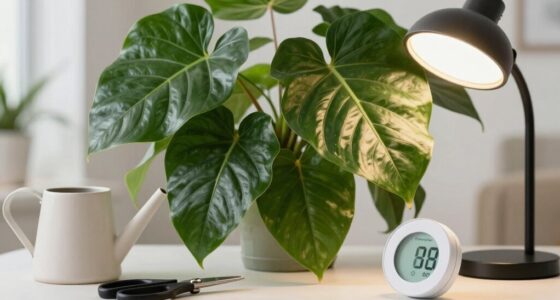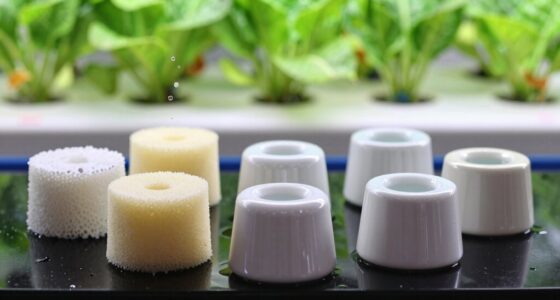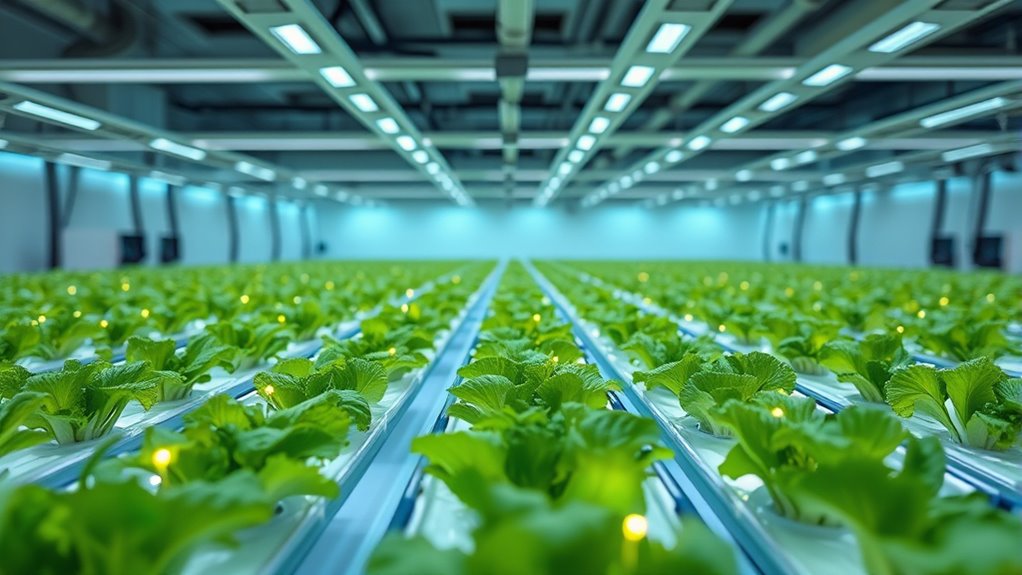
Hydroponic automation uses smart sensors and AI to optimize nutrient levels, environmental conditions, and system performance in real time. You can monitor pH, EC, and nutrient concentration continuously, allowing for immediate adjustments that guarantee healthy plant growth. AI analyzes this data to predict needs and automate systems like watering, lighting, and climate control, making your setup more efficient and sustainable. Keep exploring to discover how this technology can transform your farming practices.
Key Takeaways
- Smart sensors enable real-time monitoring of pH, EC, and nutrients, ensuring optimal plant growth conditions.
- AI analyzes sensor data to optimize nutrient delivery, environmental parameters, and system performance proactively.
- Automated feedback loops trigger nutrient adjustments and environmental controls, reducing manual intervention.
- Precise automation minimizes resource waste, enhances sustainability, and lowers energy consumption in hydroponic systems.
- Integration of sensors and AI creates scalable, resilient, and efficient hydroponic farming operations.
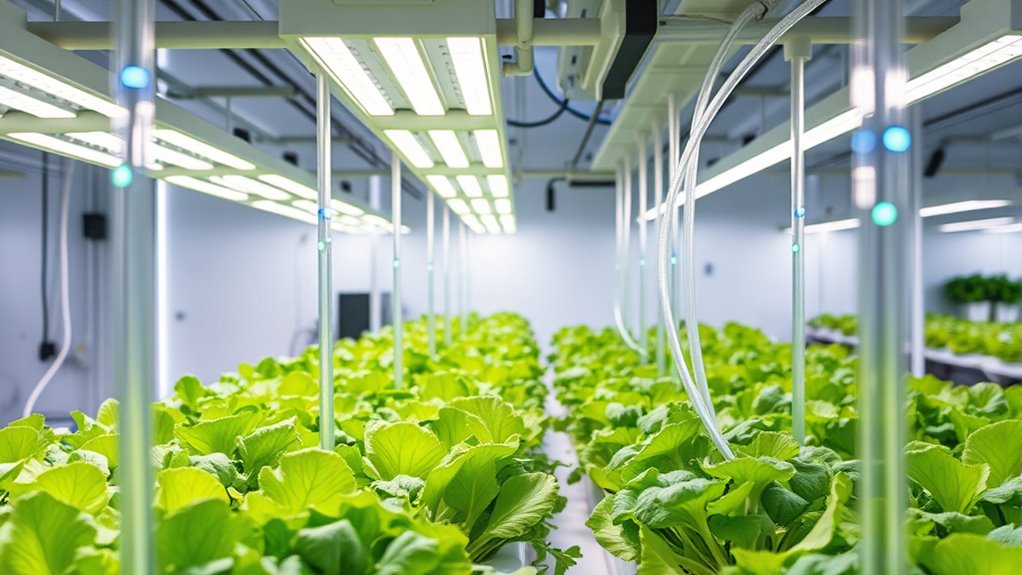
Hydroponic automation is transforming how we grow plants by streamlining traditional farming processes through technology. With the integration of smart sensors and AI, you can now monitor and control your hydroponic systems more precisely than ever before. Central to this advancement is nutrient monitoring, which guarantees your plants receive the exact balance of nutrients they need at each stage of growth. Sensors placed within your nutrient solution constantly measure parameters like pH, electrical conductivity (EC), and nutrient concentration. This real-time data allows you to make immediate adjustments, preventing deficiencies or toxic build-ups that could hinder plant health. By automating nutrient monitoring, you reduce manual checks and minimize human error, creating a more consistent and efficient growing environment.
Hydroponic automation enhances plant growth through precise nutrient monitoring and real-time system adjustments.
System enhancement is another key benefit of hydroponic automation. Once your sensors gather data, AI algorithms analyze the information to optimize your system’s performance. These intelligent systems can predict nutrient needs, adjust flow rates, and control environmental factors such as temperature, humidity, and light levels. Instead of reacting to problems after they occur, you’re proactively maintaining ideal conditions. This constant fine-tuning maximizes plant growth rates and crop yields while reducing resource waste. Automation also enables you to scale your operation with confidence, as the system adapts to changing conditions and ensures uniformity across your entire setup.
Moreover, integrating smart sensors with AI-driven control systems simplifies complex tasks. For example, if your sensors detect a drop in pH levels, the system can automatically add pH adjusters to bring levels back into the ideal range. Similarly, if nutrient levels fall below a set threshold, the system can trigger nutrient injection pumps without your intervention. This seamless feedback loop keeps your plants in a stable environment, which is essential for healthy development and high-quality yields. You’ll spend less time troubleshooting and more on strategic growth planning.
The combination of nutrient monitoring and system enhancement through hydroponic automation also boosts sustainability. Precise nutrient delivery reduces excess runoff and minimizes waste, while optimized environmental conditions lower energy consumption. As a grower, you gain peace of mind knowing that your system is operating at peak efficiency, conserving resources, and maintaining consistent crop quality. Additionally, incorporating high-precision sensors enhances the reliability of your automation system, ensuring long-term success. By harnessing these advanced technologies, you’re not just growing plants—you’re transforming your entire farming approach into a smarter, more resilient operation.
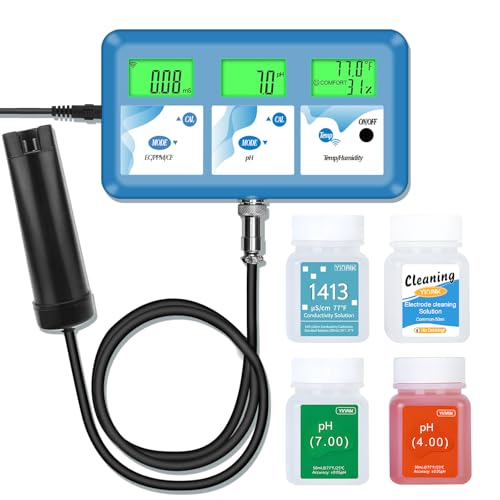
Hydroponic ppm pH Monitor, WiFi 6 in 1 pH EC Meter for Hydroponics Growing System,Continuous Monitoring pH PPM EC CF Humidity Temp of DWC Grow System Water Reservoir Tank Aeroponic Garden Aquarium
✅6 in 1 pH EC PPM WIFI Monitor for hydroponic plants:YINMIK hydroponic nutrients monitor can give you accurate…
As an affiliate, we earn on qualifying purchases.
As an affiliate, we earn on qualifying purchases.
Frequently Asked Questions
How Do Smart Sensors Improve Plant Health in Hydroponic Systems?
Smart sensors improve your plant health by providing real-time environmental monitoring, so you can quickly detect issues like nutrient deficiencies or temperature fluctuations. They also assist in plant disease detection, allowing you to catch problems early before they spread. With accurate data, you can adjust conditions promptly, ensuring ideal growth and preventing stress or disease. This proactive approach keeps your hydroponic system healthy and maximizes your crop yield.
What AI Algorithms Are Most Effective for Optimizing Nutrient Delivery?
Did you know that machine learning algorithms can increase nutrient efficiency by up to 20%? For enhancing nutrient delivery, you should focus on supervised learning models like neural networks and decision trees. These algorithms analyze real-time sensor data to predict the ideal nutrient mix, ensuring ideal plant growth. By continuously learning from new data, they fine-tune nutrient levels, making your hydroponic system more productive and sustainable.
Can Automation Systems Adapt to Different Crop Types Automatically?
Yes, automation systems can adapt to different crop types automatically. They leverage smart sensors and AI to analyze crop diversity, adjusting nutrient and lighting levels accordingly. This reduces manual calibration and guarantees ideal growth conditions. By continuously learning from sensor data, these systems optimize parameters for each crop, saving time and effort while maintaining high yields. This adaptability makes hydroponic systems more efficient and flexible for diverse crop varieties.
What Are the Energy Requirements for Fully Automated Hydroponic Setups?
Did you know fully automated hydroponic systems often consume around 200-300 kWh per square meter annually? Your setup’s power consumption depends on equipment like pumps, lights, and sensors. To maximize energy efficiency, consider using LED grow lights and smart scheduling, which can cut energy use by up to 30%. Balancing automation and energy demands guarantees your system stays productive without excessive power costs.
How Secure Are Ai-Driven Hydroponic Systems Against Cyber Threats?
AI-driven hydroponic systems face cybersecurity challenges, but with proper security measures, they can be quite secure. You should guarantee strong encryption, regular software updates, and network security protocols to protect data privacy. While vulnerabilities exist, actively monitoring for threats and implementing access controls help prevent cyber attacks. Staying vigilant and maintaining robust cybersecurity practices is essential to safeguarding your automated growing system from potential cyber threats.

HEEPDD Automatic Dosing Pump, Injector for Livestock and Garden Watering, G3/4 Male Thread, Proportional Injection Up to 5% Automatic Dosing Pump, Plastic Fertilizer Nan Gardening (1 to 5%)
[Versatile Applications]Ideal for horticulture, livestock care, chemical transfer, and industrial solutions, catering to various needs.
As an affiliate, we earn on qualifying purchases.
As an affiliate, we earn on qualifying purchases.
Conclusion
By integrating smart sensors and AI into your hydroponic systems, you’re tapping into a future where growth is optimized and resources are conserved. Did you know that automation can boost crop yields by up to 30% while reducing water usage by 90%? Embracing this technology not only enhances your gardening efficiency but also helps protect the environment. So, start exploring hydroponic automation today and watch your plants thrive like never before.
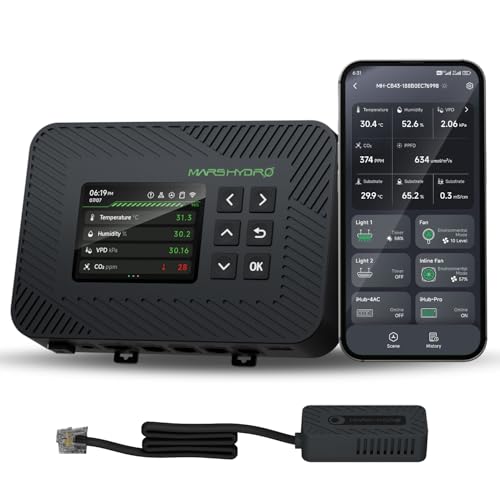
MARS HYDRO iControl for Grow Tent, Smart Grow Room Controller, Smart Environmental with Temperature, Humidity, VPD,Timer, Cycle
Environmental Responsive Control (Major Upgrade): iControl achieves innovative breakthroughs with advanced temperature/humidity strategies and real-time VPD monitoring. After…
As an affiliate, we earn on qualifying purchases.
As an affiliate, we earn on qualifying purchases.
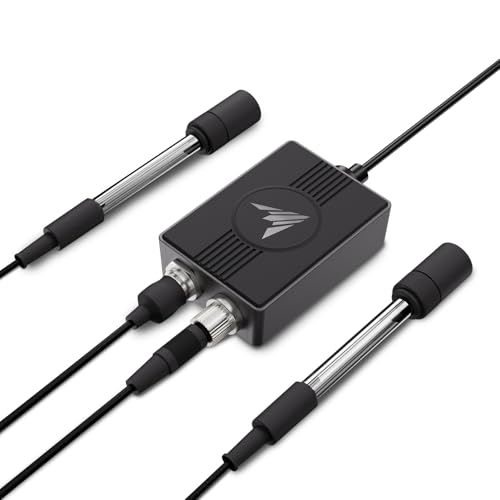
AC Infinity Hydro Sensor, Environmental Sensor for Controller AI+, Manage pH, EC, TDS and Water Temp for Grow Tents, Unlock Automations for Equipment Programming in Hydroponics, Aquariums, and Pools
Designed for AC Infinity AI Controllers, tracking pH, EC, TDS, and water temp to unlock advance automation for…
As an affiliate, we earn on qualifying purchases.
As an affiliate, we earn on qualifying purchases.