
Albino and mint variegated plants are unstable because their unique patterns depend on fragile genetic mutations that can easily be affected by environmental stressors. Small changes in temperature, light, or water can cause their variegation to fade or revert to solid green. These plants are especially sensitive to stress, which pushes them toward uniformity. To understand how to better care for them and maintain their patterns, you’ll want to explore the underlying factors further.

Get the little things that make your day delivered free — and shop member deals
- Fast, free delivery on millions of items
- Access to Prime Big Deal Days deals on October 6–7
- Prime Video, Amazon Music and more included
Key Takeaways
- Their variegation results from genetic mutations that are inherently unstable and unpredictable.
- Environmental stressors like light, temperature, and water can cause reversion to uniform green.
- Albino areas lack chlorophyll, making them more fragile and sensitive to environmental changes.
- Mint variegation depends on delicate genetic balances easily disrupted by stress.
- Variability in mutation stability leads to inconsistent pattern persistence over time.
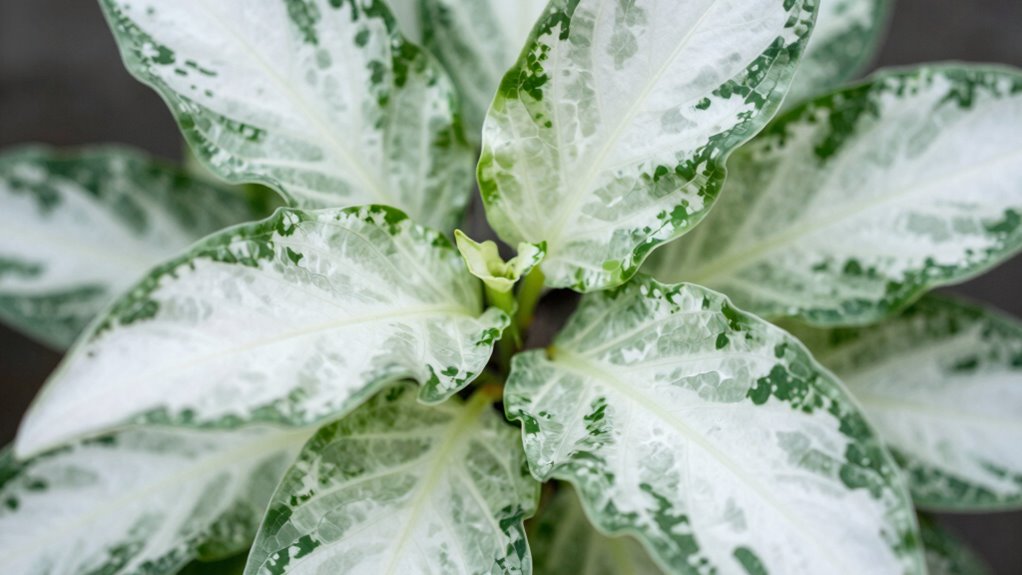
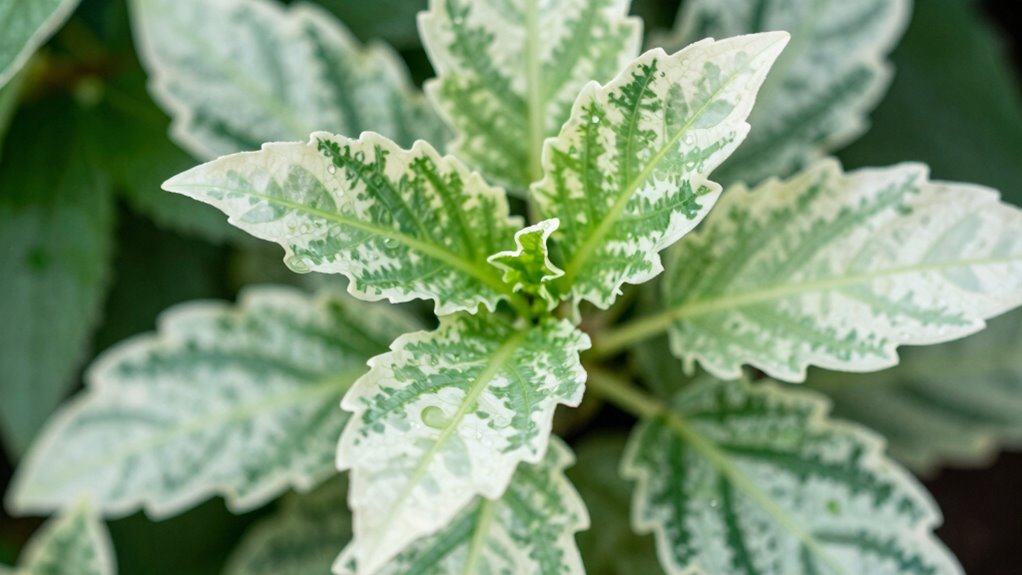
Variegated plants, especially albino and mint varieties, are prized for their striking foliage, but their stability can be unpredictable. This instability primarily stems from their underlying genetic makeup. A genetic mutation causes the variegation—those unique patches or streaks of color—by disrupting the normal production of chlorophyll in specific parts of the plant. Because this mutation is often unstable, the variegated pattern can change or fade over time, especially under certain conditions. When plants have a genetic mutation that affects chlorophyll production, they become more sensitive to environmental factors, making their variegation less consistent. Environmental stress plays a significant role in the unpredictability of these plants. Changes in temperature, light, humidity, or water availability can trigger the loss of variegation. For albino plants, which lack chlorophyll entirely in some areas, stress can cause them to revert to a more uniform green, as the plant attempts to maximize photosynthesis and survival. Mint varieties, which often rely on delicate genetic balances, can similarly lose their variegated patterns if they’re exposed to stressors like intense sunlight or irregular watering. These plants are fundamentally on a tightrope, balancing their genetic predispositions with environmental conditions. When stress exceeds their tolerance, the variegation can either diminish or disappear altogether. Additionally, the stability of variegation is influenced by the genetic mutation, which can sometimes be inherited or arise spontaneously, adding another layer of unpredictability. Understanding the hereditary factors involved can help growers better manage these plants’ stability. The environmental conditions further influence their variegation, making precise cultivation crucial for maintaining their unique patterns. You might notice that some albino plants are more fragile than their green counterparts. Because they lack chlorophyll in certain areas, they rely heavily on their genetic mutation for their distinctive look. Any environmental stress—such as sudden temperature drops or inadequate light—can weaken them or cause the variegation to fade. Mint varieties, sharing similar sensitivities, often respond by reverting to a uniform green, especially if they’re not kept in ideal conditions. This tendency towards instability isn’t a flaw but a consequence of their genetic and environmental fragility.
albino variegated plant care kit
As an affiliate, we earn on qualifying purchases.
As an affiliate, we earn on qualifying purchases.
Frequently Asked Questions
Are Albino Plants More Sensitive to Environmental Changes Than Regular Plants?
Yes, albino plants are more sensitive to environmental changes than regular plants. Their genetic mutations cause a chlorophyll deficiency, making them less capable of photosynthesis. This deficiency makes them vulnerable to stress from light, temperature, and nutrients. Since they lack the natural resilience of healthy green plants, even slight environmental shifts can considerably impact their health and growth, requiring you to provide extra care and stable conditions.
Can Mint Variegation Revert to Non-Variegated Forms Over Time?
Yes, mint variegation can revert to non-variegated forms over time due to genetic instability. This instability affects cultivar preservation, as the plant’s genetic makeup may change, especially under environmental stresses or propagation methods. You might notice new growth losing its variegation, returning to a solid green. To maintain the variegation, it’s essential to propagate through cuttings from stable, healthy plants and monitor for genetic consistency.
What Specific Nutrients Influence the Stability of Albino and Mint Variegation?
Think of genetic mutations as the blueprint for plant stability; nutrient deficiencies are the builders that can weaken it. For albino and mint variegation, nutrients like nitrogen, magnesium, and iron greatly influence stability. A deficiency in these nutrients can cause the variegation to become unstable or revert. Ensuring your plants receive balanced, nutrient-rich soil helps maintain the delicate patterning and prevents unwanted reversion.
How Does Light Intensity Affect the Stability of These Variegated Plants?
You’ll notice that high light intensity causes light stress in albino and mint variegated plants, making their variegation less stable. Increased light boosts photosynthesis impact, which can overwhelm the plant’s ability to produce healthy chlorophyll, especially in albino sections lacking pigment. To maintain stability, you should provide moderate, consistent light to prevent stress, helping the plants retain their vibrant variegation and overall health.
Are There Particular Pests That Target Albino or Mint Variegated Plants More?
You’ll find albino and mint variegated plants surprisingly vulnerable to pests, making them a magnet for aphids, whiteflies, and spider mites. Their unique pigmentation often means they’re more susceptible to disease, too. These pests target the weak spots in their fragile tissues, causing rapid damage. Regular inspection and prompt treatment are essential to keep your plants healthy, as their pest susceptibility and disease vulnerability can turn your lush display into a nightmare overnight.
mint variegated plant stress protection
As an affiliate, we earn on qualifying purchases.
As an affiliate, we earn on qualifying purchases.
Conclusion
In the world of variegated plants, their instability isn’t just a minor quirk—it’s like trying to tame a wild storm. Albino and mint variegated plants are fragile marvels that demand your constant attention and care. Their unpredictable nature can turn your lush garden into a rollercoaster ride of surprises. Embrace their wild spirit, and you’ll be rewarded with plants that are as unique as a rare gem—an awe-inspiring proof of nature’s incredible variability.
plant stress monitor for delicate plants
As an affiliate, we earn on qualifying purchases.
As an affiliate, we earn on qualifying purchases.
orchid and variegated plant humidity tray
As an affiliate, we earn on qualifying purchases.
As an affiliate, we earn on qualifying purchases.
Fall Picks
fall essentials
As an affiliate, we earn on qualifying purchases.