
Summer is the perfect time to propagate rare, hard-to-root plants using techniques like scarification, stratification, and grafting. Warm temperatures and longer days naturally encourage seed germination and graft union success. Scarification and stratification mimic natural cues, helping seeds break dormancy, while grafting during summer boosts vigor. By timing your efforts carefully, you’ll increase your chances of success and support species survival. Keep exploring these methods to unearth more effective propagation strategies for your rare plants.

Get the little things that make your day delivered free — and shop member deals
- Fast, free delivery on millions of items
- Access to Prime Big Deal Days deals on October 6–7
- Prime Video, Amazon Music and more included
Key Takeaways
- Utilize summer timing to exploit natural warm temperatures and longer days, enhancing seed germination and graft success.
- Apply scarification and stratification techniques during summer to effectively break seed dormancy for rare species.
- Conduct grafting in summer when sap flow is vigorous, improving union success for hard-to-root plants.
- Combine seed treatment and grafting methods to maximize propagation success of challenging species.
- Leverage natural summer cues to improve propagation outcomes and support conservation of rare, difficult-to-root plants.
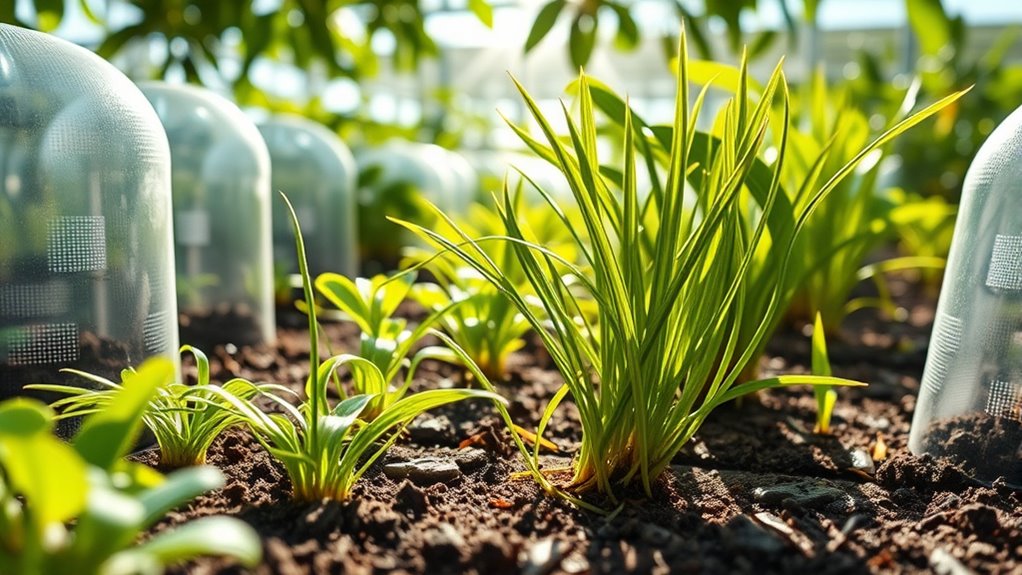
Have you ever wondered how rare species manage to survive and expand despite their limited populations? One key to their survival lies in understanding their unique propagation needs, especially during the summer months. When working with these plants, you often face challenges like seed dormancy, which can delay germination and hinder propagation efforts. Seed dormancy is nature’s way of guaranteeing seeds only sprout under ideal conditions, but it can be frustrating if you’re trying to grow a rare species. To overcome this, you might need to employ specific techniques such as scarification or stratification to break dormancy. These methods mimic natural environmental cues, like passing through the digestive system or experiencing cold temperatures, which signal to the seed that it’s safe to grow. By carefully managing seed dormancy, you increase your chances of successful germination during summer, when conditions are favorable for growth.
In addition to seed-based methods, grafting offers an effective way to propagate hard-to-root plants. Grafting involves attaching a piece of the rare species—called the scion—to a compatible rootstock. This method not only accelerates growth but also enhances the plant’s resilience and adaptability. During summer, when the sap flow is vigorous, grafting becomes particularly successful. You’ll want to select healthy, compatible materials and perform the grafting at the right time, usually when the plant’s activity is high. Proper techniques, such as whip and tongue or cleft grafting, ensure that the union takes hold. Grafting allows you to propagate rare species more quickly than from seed alone, especially if seed dormancy proves too stubborn or unpredictable. It’s also a good option when seed collection is difficult or when you want to maintain specific genetic traits.
Timing your propagation efforts during summer is vital. The warm temperatures and longer days create a supportive environment for seed germination and graft union formation. If you’re working with seed dormancy, summer’s heat helps break dormancy naturally in some species, or you can use controlled techniques beforehand. With grafting, the active growth period ensures the grafted parts establish quickly, increasing your chances of success. Overall, understanding seed dormancy and utilizing grafting methods during summer can considerably improve your success with hard-to-root plants. You’re leveraging natural cues and scientific techniques to give these rare species the best chance to thrive and expand beyond their limited populations. Mastering these methods allows you to contribute to conservation efforts and guarantee that these unique plants can continue to exist for generations to come.
As an affiliate, we earn on qualifying purchases.
Frequently Asked Questions
What Are the Best Summer Months for Propagating Rare Species?
For propagating rare species, you should focus on seasonal timing that aligns with their growth cycles. Typically, summer months like June through August are your best propagation windows, as plants are actively growing and easier to root. During this period, you can take advantage of warmer temperatures and longer days, which promote successful propagation. Keep in mind, the exact timing may vary based on the specific species you’re working with.
How Does Temperature Affect Propagation Success in Summer?
Like a skilled conductor, you must manage temperature regulation to guarantee successful propagation. In summer, high temperatures can cause heat stress, making it harder for roots to develop. Maintaining ideal warmth encourages root growth, but excessive heat hampers it. You should keep the environment steady, avoiding extreme heat, and monitor temperatures carefully. Proper temperature control allows your rare species to thrive, turning challenges into opportunities for successful propagation.
Are There Specific Soil Requirements for Summer Propagation?
You should pay attention to soil requirements during summer propagation. Use soil amendments like compost or peat moss to improve drainage and fertility, ensuring roots develop well. Keep watering frequency consistent, avoiding overwatering which can cause rot. Well-draining soil with proper amendments creates an ideal environment, promoting healthy root growth. Adjust watering based on weather conditions, but always maintain moist, not soggy, soil for successful propagation.
Can Summer Propagation Be Used for All Rare Plant Species?
You can’t use summer propagation for all rare plant species, especially those with specific needs like seasonal fruiting or drought tolerance. Some plants require cooler conditions or specific timing to root successfully, so trying summer propagation might not work. Always research each species’ unique requirements to guarantee you choose the right season and techniques, maximizing your chances of successful propagation without risking the plant’s health or future fruiting ability.
What Are Common Mistakes to Avoid During Summer Propagation?
When you’re propagating plants in summer, avoid common mistakes like overwatering, which can cause root rot, and improper pruning, which can hinder growth. Make sure you water only when necessary and prune carefully to promote healthy roots without stressing the plant. Stay attentive to the plant’s needs, and don’t rush the process, ensuring you give your rare species the best chance to root successfully.
As an affiliate, we earn on qualifying purchases.
Conclusion
Don’t let the rarity of these plants discourage you. With the right timing and techniques, especially during summer, you can successfully propagate even the hardest-to-root species. Some might think it’s too challenging or time-consuming, but patience and proper care make all the difference. By mastering these methods, you not only expand your collection but also help preserve these unique plants for future generations. So, give it a try—you might surprise yourself with what you can achieve!
As an affiliate, we earn on qualifying purchases.
As an affiliate, we earn on qualifying purchases.
NFL season / tailgating Picks
team gear
As an affiliate, we earn on qualifying purchases.