
Some plants produce milky sap as a clever way to defend themselves against animals, bugs, and diseases. This sap contains chemicals like toxins, tannins, and resins that make them unappealing or harmful, discouraging pests from eating or damaging the plant. It also seals wounds to prevent infections. This multi-layered protection helps the plant survive and recover. Keep exploring to discover how these natural strategies have evolved to keep plants safe.

Get the little things that make your day delivered free — and shop member deals
- Fast, free delivery on millions of items
- Access to Prime Big Deal Days deals on October 6–7
- Prime Video, Amazon Music and more included
Key Takeaways
- Milky sap acts as a defense mechanism against herbivores and pathogens.
- It contains toxic and antimicrobial compounds that deter pests and prevent infections.
- The sap seals wounds, aiding in plant healing and preventing microbial entry.
- Producing milky sap offers a continuous, chemical, and physical barrier against threats.
- This trait is an evolutionary adaptation to enhance plant survival in diverse environments.
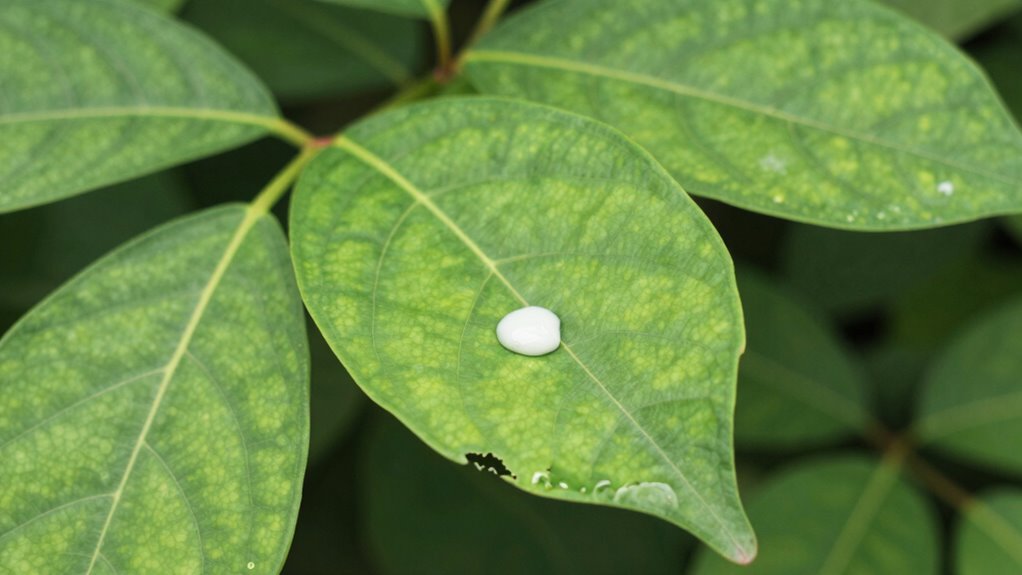
Many plants produce a milky sap as a natural defense mechanism or part of their growth process. This sap, often thick and opaque, plays a crucial role in helping plants survive threats from herbivores, pathogens, and environmental stresses. When you observe a plant exuding this milky liquid, it’s a sign that the plant is actively protecting itself. The composition of this sap, known as sap composition, is complex and tailored to serve multiple functions, primarily defense. It usually contains a mixture of alkaloids, tannins, resins, and other chemicals that deter animals from eating or damaging the plant. Some of these substances are toxic, irritating, or unpalatable, making the plant less appealing to insects and herbivores. The presence of these chemical defenses is an essential aspect of plant defense mechanisms, which have evolved over millions of years to increase survival odds.
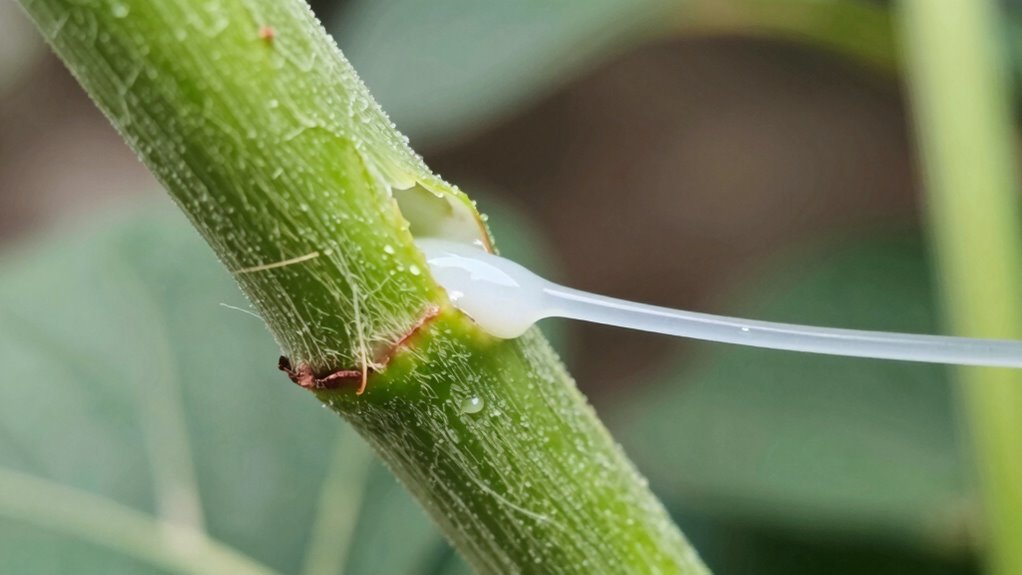
The sap acts as a physical and chemical barrier. When a plant’s tissue is injured—say, by an insect bite or a break in the stem—the milky sap flows out, sealing the wound and preventing the entry of pathogens. This process is part of the plant’s immediate response to injury, reducing the chance of infection. Additionally, the sap can contain antimicrobial compounds that actively combat bacteria and fungi, further strengthening the plant’s defenses. Beyond wound healing, the chemical properties of the sap serve as a deterrent to herbivores. Many animals avoid plants with milky sap because of its bitter taste or toxic effects. For example, the milky sap of the latex-producing plants, like rubber trees and certain euphorbias, is rich in latex and alkaloids that can cause skin irritation or poisoning if ingested. Moreover, some plants produce this sap as a chemical defense, which is a sophisticated evolution to deter predators and enhance survival.
Moreover, the production of milky sap isn’t just reactive; it can also be a proactive defense. Some plants continuously produce this sap to create a hostile environment for pests around their tissues. The sap’s sticky or toxic properties make it difficult for insects to feed or lay eggs. This constant defense mechanism reduces damage over time and helps the plant conserve resources for growth and reproduction. Interestingly, the evolutionary adaptation of producing milky sap has allowed many plant species to thrive in diverse environments by effectively deterring a wide range of threats. Essentially, the milky sap is a sophisticated adaptation that combines physical, chemical, and biological strategies to increase the plant’s chances of survival. When you see a plant with this characteristic sap, you’re witnessing a remarkable example of evolution’s ingenuity in protecting life—turning what might seem like a simple secretion into a complex, multi-faceted defense system.
As an affiliate, we earn on qualifying purchases.
Frequently Asked Questions
Do All Plants With Milky Sap Belong to the Same Family?
No, not all plants with milky sap belong to the same plant family. You’ll find milky sap across various plant families, like the Apocynaceae and the Euphorbiaceae, each with different sap compositions. The sap’s chemical makeup varies, which helps the plants defend against herbivores and pests. So, milky sap isn’t exclusive to a single family; it’s a common trait that appears in diverse plant groups.
Is Milky Sap Harmful to Humans or Pets?
Milky sap can be harmful, so don’t take it lightly. Its toxicity concerns mean contact might cause allergic reactions or skin irritation, especially for pets or sensitive individuals. Think of it as a warning sign from nature—like a siren’s call—that these plants require respect and caution. Always wear gloves when handling plants with milky sap, and keep pets away to avoid accidental ingestion or contact that could lead to health issues.
How Does Milky Sap Impact a Plant’s Growth or Survival?
Milky sap plays a vital role in a plant’s defense, helping it ward off pests and infections. Its unique sap composition contains compounds that deter herbivores and inhibit microbial growth, ensuring survival. When you notice this sap, it indicates the plant’s effort to protect itself, which can sometimes slow its growth temporarily. Overall, milky sap enhances a plant’s chances of thriving by strengthening its defense mechanisms.
Can Milky Sap Be Used for Medicinal Purposes?
Imagine you’re wielding a medieval potion; some milky saps do have medicinal uses. You should, however, beware of toxicity risks, as many contain poisons. While certain plants’ milky sap offers healing properties—like soothing skin or reducing inflammation—incorrect use can be dangerous. Always consult a professional before using such sap medicinally, because what heals might also harm if misused.
Why Do Some Plants Stop Producing Milky Sap Over Time?
You might notice some plants stop producing milky sap because their sap secretion declines as they mature or adapt to their environment. This change often relates to their plant defense strategy, where young plants produce more sap to deter herbivores, but older plants reduce this production once they develop other defenses. Environmental factors, damage, or resource allocation also influence the reduction of milky sap, impacting the plant’s ability to defend itself effectively.
As an affiliate, we earn on qualifying purchases.
Conclusion
So, next time you see that milky sap oozing from a plant, remember it’s a clever survival trick. You might think it’s just messy or useless, but it actually protects the plant from predators and heals wounds quickly. Don’t dismiss it as mere sap — it’s an essential defense mechanism that keeps the plant alive. Embrace the plant’s ingenuity; nature’s solutions are often more fascinating than they seem!
natural pest deterrent for plants
As an affiliate, we earn on qualifying purchases.
As an affiliate, we earn on qualifying purchases.
As an affiliate, we earn on qualifying purchases.
NFL season / tailgating Picks
team gear
As an affiliate, we earn on qualifying purchases.