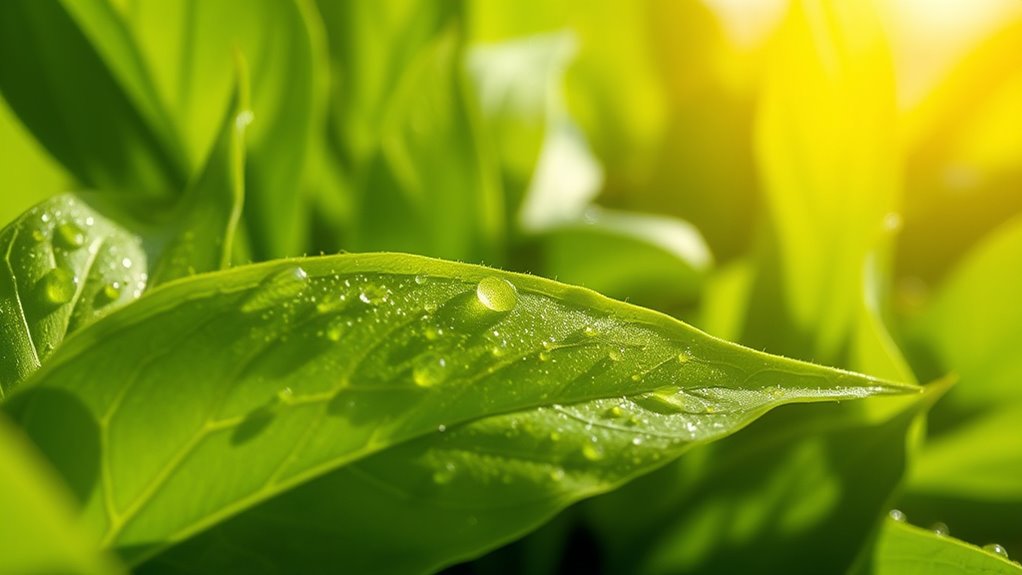

During summer, heat and humidity have a big impact on how much water your plants lose through transpiration. Hot temperatures and intense sunlight cause their stomata to open wider, increasing water loss. Dry air creates a strong moisture gradient, boosting evaporation, while high humidity can slow it down. If you’re curious about how to help your plants manage these conditions and stay healthy, there’s more to explore on this topic.

Get the little things that make your day delivered free — and shop member deals
- Fast, free delivery on millions of items
- Access to Prime Big Deal Days deals on October 6–7
- Prime Video, Amazon Music and more included
Key Takeaways
- Higher temperatures increase transpiration by promoting wider stomatal openings for photosynthesis.
- Dry air and low humidity create a moisture gradient, accelerating water loss through transpiration.
- Excessive heat and sunlight together intensify evaporation, risking plant dehydration if soil moisture is insufficient.
- Plants adapt by reducing stomata size or number to conserve water during hot, dry conditions.
- Maintaining adequate soil moisture helps balance increased transpiration rates during hot summer days.

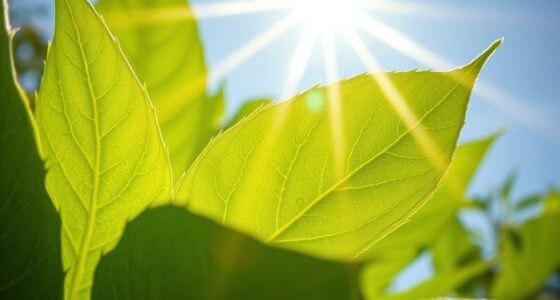
Have you ever wondered how plants lose water during the hot summer months? It’s a fascinating process called transpiration, and understanding it can help you care for your plants better. Transpiration mainly occurs through tiny openings on the leaf surface called leaf stomata. These small pores regulate gas exchange but also serve as the main pathways for water to escape from the plant. When temperatures rise and the sun beats down, the leaf stomata often open wider to allow for photosynthesis, but this also increases water loss. If the surrounding soil moisture is low, your plants may struggle to replace the water they’re losing, which can lead to stress or wilting.
During hot weather, the balance between water uptake and loss becomes critical. If the soil moisture is adequate, roots can draw up enough water to keep the plant hydrated despite the increased transpiration. But if the soil dries out, plants can’t replenish what they’re losing, and their leaves might begin to droop or turn yellow. This is because the plant is trying to conserve water, often by closing the leaf stomata, which also slows down photosynthesis. This trade-off means that during summer, plants are constantly balancing water loss with water uptake, and the effectiveness of this process depends heavily on soil moisture levels.
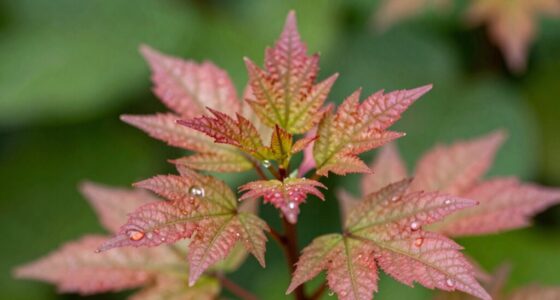
Humidity plays a significant role as well. When the air is dry, the gradient between the moisture inside the leaf and the surrounding environment is steeper, encouraging more water to evaporate through the leaf stomata. Conversely, high humidity reduces this gradient, slowing down transpiration. So, in a dry summer day, even if your soil is moist, the plant might still lose a lot of water because the air is sucking moisture out of the leaves. That’s why plants in arid or semi-arid regions often have adaptations like smaller or fewer leaf stomata to minimize water loss. Additionally, plant adaptations such as thicker leaves or waxy coatings help reduce water evaporation in dry conditions.
You can influence transpiration rates by adjusting watering practices and providing some shade during the hottest parts of the day. Mulching around the base of your plants helps retain soil moisture, ensuring roots have a steady supply of water. Remember, if the soil dries out, your plant’s ability to regulate water through leaf stomata becomes compromised, making it vulnerable to drought stress. During summer, keeping an eye on soil moisture and understanding how leaf stomata respond to heat and humidity will help you keep your plants healthy and lush despite the challenging conditions.
As an affiliate, we earn on qualifying purchases.
Frequently Asked Questions
How Do Different Plant Species Adapt to Summer Transpiration?
You’ll notice that different plant species adapt to summer transpiration through drought-resistant traits and leaf surface adaptations. Some plants develop thicker leaves or waxy coatings to reduce water loss, while others have smaller or fewer stomata. These strategies help conserve water during hot, humid conditions, enabling plants to survive and thrive despite increased transpiration. By understanding these adaptations, you can better appreciate how plants cope with summer stresses.
Can Transpiration Rates Influence Plant Drought Tolerance?
Transpiration rates directly impact your plant’s drought tolerance by affecting water loss. When transpiration regulation is efficient, your plant conserves water through adaptations like leaf modifications or stomatal control, enhancing drought resistance. By understanding plant water conservation strategies, you can support your plants during dry periods. Managing factors like humidity and heat helps regulate transpiration, ensuring your plants retain enough moisture to survive and thrive in drought conditions.
What Role Do Soil Nutrients Play in Transpiration?
Soil nutrients play a pivotal role in transpiration by affecting soil chemistry and nutrient uptake. When your soil has the right balance of nutrients, your plant can maintain healthy stomata function, which controls water loss. Poor soil chemistry limits nutrient uptake, weakening your plant’s ability to regulate transpiration effectively. This imbalance can lead to increased water loss or stress, affecting overall plant health and growth.
How Does Nighttime Humidity Affect Overall Plant Water Loss?
Imagine the night as a gentle guardian, whispering secrets of moisture. When nighttime humidity is high, it acts like a cozy blanket, slowing down plant water loss. This helps your plants conserve water, keeping them healthy and resilient. Conversely, low humidity at night can leave plants vulnerable to dehydration. So, high nighttime humidity plays a vital role in plant water conservation, safeguarding your greenery through the quiet hours.
Are There Specific Signs Indicating Excessive Transpiration in Plants?
If you notice leaf wilting or your plant’s leaves look droopy, it could indicate excessive transpiration. Too much water loss weakens the plant, making it vulnerable to issues like root rot. You might also see yellowing or browning edges. Keep an eye on these signs and check soil moisture regularly. Adjust watering habits and improve airflow to prevent further stress and protect your plant’s health.
As an affiliate, we earn on qualifying purchases.
Conclusion
As summer heats up, remember that plants can lose up to 99% of their water through transpiration. This incredible process helps regulate temperature but also risks dehydration. By understanding how heat and humidity influence water loss, you can better care for your plants during hot months. Keep an eye on soil moisture and provide shade when needed. Staying attentive guarantees your plants stay healthy, vibrant, and thriving all summer long.
As an affiliate, we earn on qualifying purchases.
watering system for drought-tolerant plants
As an affiliate, we earn on qualifying purchases.
As an affiliate, we earn on qualifying purchases.
Fall Picks
fall essentials
As an affiliate, we earn on qualifying purchases.