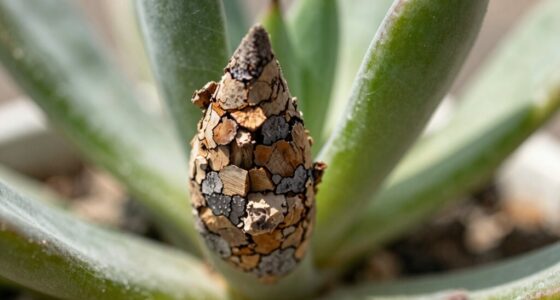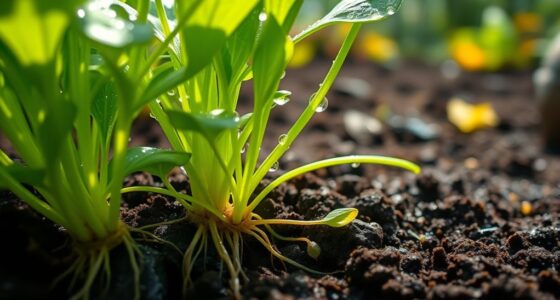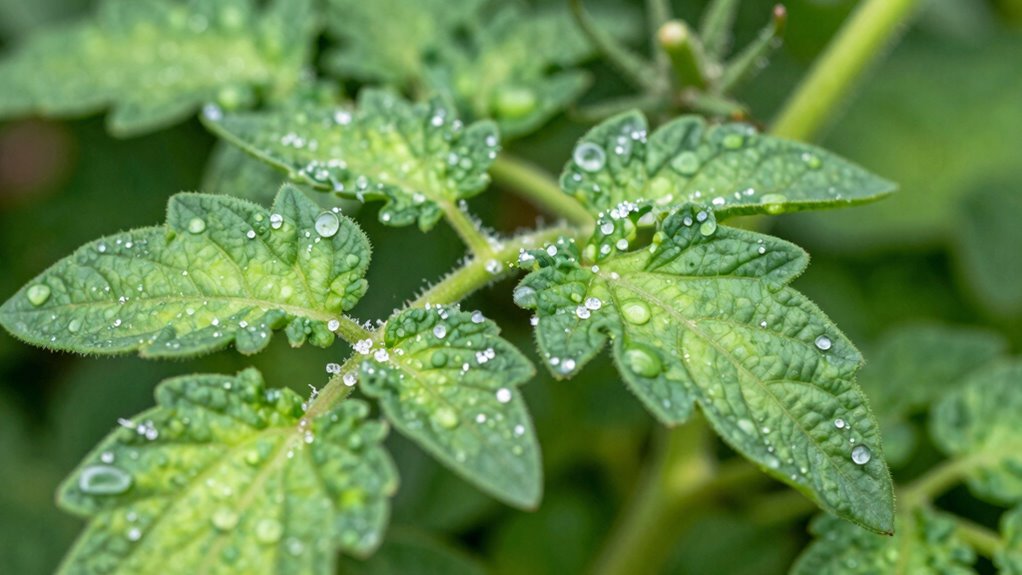

Calcium plays a crucial but often overlooked role in your plants’ health by strengthening cell walls and supporting steady growth. It helps prevent issues like blossom end rot and tip burn, especially during rapid development. Since calcium is not very mobile within plants, deficiencies first show up in new leaves and fruits, making early detection important. Proper soil management, watering, and supplements can keep calcium levels balanced. Discover more about supporting your plants’ resilience and vitality as you explore further.

Get the little things that make your day delivered free with Prime
- Fast, free delivery on millions of items
- Prime Video, Amazon Music and more included
- Member-only deals all year
Key Takeaways
- Calcium strengthens plant cell walls, providing structural support and enhancing overall plant resilience.
- It is essential for proper fruit development and prevents disorders like blossom end rot.
- Calcium’s limited mobility causes deficiencies to appear first in new growth and fruits.
- Soil pH, moisture, and nutrient competition influence calcium absorption and availability.
- Regular soil testing and consistent management ensure optimal calcium levels for healthy plants.
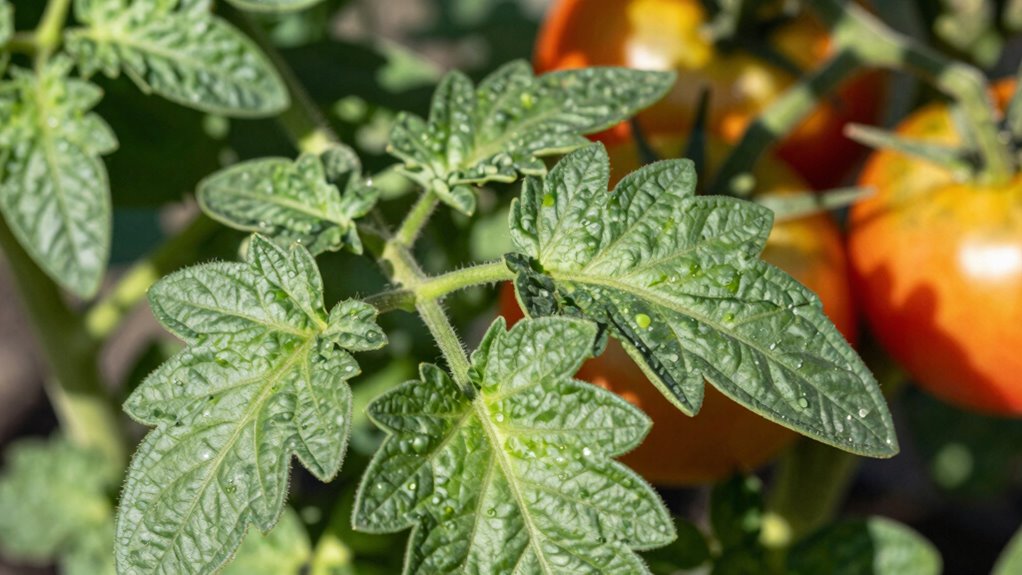
Calcium often goes unnoticed in plant health, yet it plays an essential role in maintaining strong cell walls and supporting overall growth. Without enough calcium, plants can become vulnerable to various issues, including weakened structures and impaired development. One of the most common problems you might encounter related to calcium is calcium deficiency. When plants lack sufficient calcium, their cell walls weaken, leading to symptoms like blossom end rot in tomatoes or tip burn in lettuce. These deficiencies disrupt the plant’s ability to withstand environmental stresses, making them less resilient.
Understanding calcium mobility within plants is key to grasping how calcium deficiency develops. Calcium is relatively immobile in plant tissues, meaning it doesn’t easily move from older leaves to newer growth. This characteristic explains why deficiencies often show up in new leaves or developing fruits first. If your plant isn’t receiving enough calcium through the soil or fertilizer, the calcium already present in older tissues might still support those parts, but the new growth suffers. That’s why maintaining proper calcium levels is necessary, especially during rapid growth phases or fruit development, where calcium demand peaks.
Calcium’s limited mobility causes deficiencies to appear first in new leaves and developing fruits.
You need to pay close attention to how plants absorb calcium from the soil. Factors like soil pH, moisture levels, and nutrient competition can hinder calcium uptake, leading to deficiencies even when calcium is present. For example, high soil acidity can lock calcium in forms that plants can’t absorb efficiently. If you notice symptoms like curling leaves, irregular fruit development, or necrosis at the tips or edges, it could be a sign of calcium deficiency stemming from poor calcium mobility or uptake problems. Additionally, water-related issues such as watering practices can influence calcium availability, as inconsistent watering can cause fluctuations in calcium absorption. Proper soil management and understanding soil chemistry are essential for optimizing calcium uptake. Being aware of calcium mobility helps in planning effective fertilization strategies to prevent deficiencies.
Addressing calcium deficiency involves making sure the soil has enough available calcium and that conditions favor its absorption. You might consider applying calcium-rich amendments like gypsum or lime, especially if your soil tests indicate low calcium levels. Also, maintaining consistent watering helps keep calcium soluble and accessible to plant roots. Since calcium moves slowly within the plant, early intervention is crucial to prevent long-term damage. If deficiencies persist, foliar sprays with calcium solutions can provide quick relief, but they should complement soil amendments, not replace them.
Ultimately, by understanding the importance of calcium and its limited mobility, you can better manage your plant’s health. Regular soil testing, proper fertilization, and attentive watering practices ensure your plants receive the calcium they need for sturdy cell walls and vigorous growth. This proactive approach helps prevent deficiencies and keeps your plants resilient against pests, diseases, and environmental stresses.
As an affiliate, we earn on qualifying purchases.
Frequently Asked Questions
How Does Calcium Deficiency Affect Flowering and Fruit Production?
Calcium deficiency hampers flowering and fruit production by disrupting calcium transport within your plant. Without enough calcium, flower buds may fail to develop properly, leading to poor flowering regulation. Fruit development also suffers, resulting in smaller, less ripe, or deformed fruits. You need steady calcium supply to support cell wall strength and signaling, ensuring healthy blooming and abundant fruiting. Addressing deficiency helps optimize flowering and maximize your plant’s fruit yield.
Can Calcium Supplements Improve Plant Resistance to Pests?
Yes, calcium supplements can boost your plant’s pest resistance. Calcium deficiency weakens cell walls, making plants more vulnerable to pests and diseases. When you provide adequate calcium, it strengthens cell walls and enhances overall plant health, making it tougher for pests to penetrate. Regular supplementation, especially during active growth, can improve pest resistance and help your plants stay healthier and more resilient against attacks.
What Are Natural Sources of Calcium for Organic Gardening?
You can find natural calcium sources for your organic garden in soil amendments like crushed eggshells and limestone, which slowly release calcium into the soil. Calcium-rich fertilizers such as fish emulsion or kelp extract also boost calcium levels naturally. Incorporate these into your soil to improve plant health and resilience. Regularly amending your soil guarantees your plants receive the calcium they need for strong cell walls and overall vitality.
How Does Soil pH Influence Calcium Availability?
Soil pH dramatically impacts calcium availability, like a gatekeeper controlling access. When soil is too acidic, calcium solubility plummets, making it nearly impossible for plants to absorb this crucial nutrient. Conversely, slightly alkaline soils enhance calcium uptake by increasing its solubility. To guarantee your plants thrive, maintain a balanced soil pH, ideally around 6.5 to 7.0, so calcium can do its essential work.
Are There Differences in Calcium Needs Among Plant Species?
Yes, you’ll notice differences in calcium needs among plant species due to species variability. Some plants require more calcium for ideal calcium mobility, especially those with rapid growth or structural needs, while others need less. Understanding these differences helps you tailor your soil amendments and fertilization practices, ensuring each plant gets the right amount of calcium to support healthy development and prevent deficiencies.
As an affiliate, we earn on qualifying purchases.
Conclusion
So, next time you’re fussing over your plants, remember calcium isn’t just a boring mineral—it’s the behind-the-scenes hero keeping your green friends strong and happy. Ignore it, and your plants might just throw a fit, turning yellow or cracking under pressure. But give them their calcium, and they’ll thank you with lush, vibrant leaves. Who knew that tiny mineral could be the real plant whisperer? Guess your plants have better secrets than your favorite gossip!
As an affiliate, we earn on qualifying purchases.
calcium deficiency plant treatment
As an affiliate, we earn on qualifying purchases.
As an affiliate, we earn on qualifying purchases.
NFL season / tailgating Picks
team gear
As an affiliate, we earn on qualifying purchases.