
TL;DR
A recent report lists the top 100 lifestyle trends for August, emphasizing advancements in sportswear and health monitoring. These trends reflect shifting consumer priorities and technological innovations.
A new report published in August 2024 details the top 100 lifestyle trends, with a focus on innovations in sportswear and health tracking technologies. These trends signal ongoing shifts in consumer preferences towards performance, comfort, and health consciousness, impacting industries from apparel to wearable tech.

Get the little things that make your day delivered free with Prime
- Fast, free delivery on millions of items
- Prime Video, Amazon Music and more included
- Member-only deals all year
Implications of August’s Top Lifestyle Trends for Consumers and Industry
These trends demonstrate a clear shift towards health-conscious and performance-oriented lifestyles, influencing product development and marketing strategies across sectors. Consumers increasingly prioritize comfort, sustainability, and personalized health data, prompting brands to innovate rapidly. This evolution could lead to more accessible, integrated health solutions and sustainable apparel options, shaping the future of lifestyle products. The emphasis on smart sportswear and health tracking also raises questions about data privacy and long-term market sustainability, making it a pivotal period for industry stakeholders and consumers alike.Products Worth Considering

Rachio 3 Smart Sprinkler Controller, 16-Zone

Orbit B-hyve XR 8-Zone Indoor/Outdoor Smart Sprinkler Controller

Orbit B-hyve XD 4-Port Smart Hose Watering Timer with Wi-Fi Hub
As an affiliate, we earn on qualifying purchases.
Recent Developments in Sportswear and Health Tech Innovation
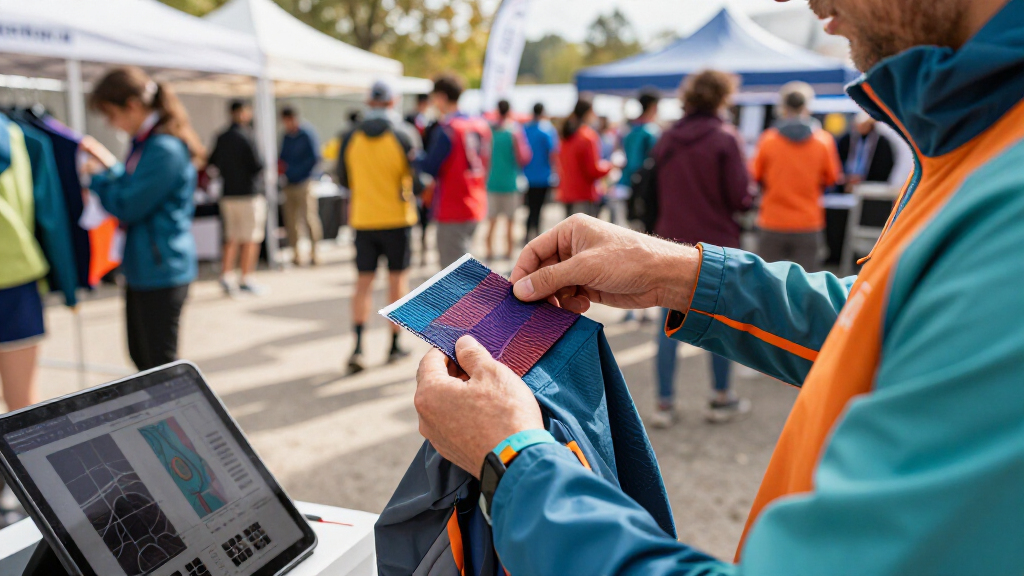
Over the past year, the sportswear industry has seen a rise in innovation summits where brands unveil new materials and smart clothing features. Simultaneously, health tracking devices have become more sophisticated, integrating biometric sensors and AI-driven insights. Major brands have announced collaborations to develop apparel that monitors vital signs, reflecting a broader trend toward health-centric lifestyles. These developments are part of a longer-term shift driven by consumer demand for performance, comfort, and wellness personalization, accelerated by the increasing adoption of wearable technology during the COVID-19 pandemic.“Health tracking is no longer just about gadgets; it’s about integrated systems that provide real-time insights and motivate healthier lifestyles.”
— Michael Lee, Tech Executive
Unconfirmed Market Impact and Consumer Adoption Rates
While the report confirms ongoing innovations and product launches, the actual market impact and consumer adoption rates of these new sportswear and health tech products are still uncertain. It remains unclear how quickly these trends will translate into widespread consumer behavior changes or if certain innovations will face barriers such as cost, privacy concerns, or technological limitations.Upcoming Industry Events and Product Launches to Watch
In the coming months, industry events such as the Global Sportswear Summit and the Wearable Tech Conference will showcase new products and collaborations. Market analysts anticipate further product launches aimed at integrating health monitoring with everyday apparel. Monitoring these developments will provide clearer insights into the trajectory of these trends and their adoption by mainstream consumers. Additionally, regulatory discussions around data privacy and sustainability standards are expected to influence future product development.Key Questions
What are the key innovations in sportswear highlighted in August?
Key innovations include new sustainable fabrics, smart textiles with biometric sensors, and collaborations that integrate fitness tracking directly into clothing.
How are health tracking technologies evolving?
Health tracking devices are becoming more sophisticated, offering real-time biometric data, AI-driven insights, and seamless integration with fitness and health apps.
Are these trends expected to impact consumer behavior?
Yes, early indicators suggest increased consumer interest in personalized health and performance data, though widespread adoption will depend on factors like cost, privacy, and usability.
What challenges might slow the adoption of these trends?
Potential challenges include concerns over data privacy, high product costs, and technological limitations that could hinder seamless integration or long-term reliability.
Source: rss