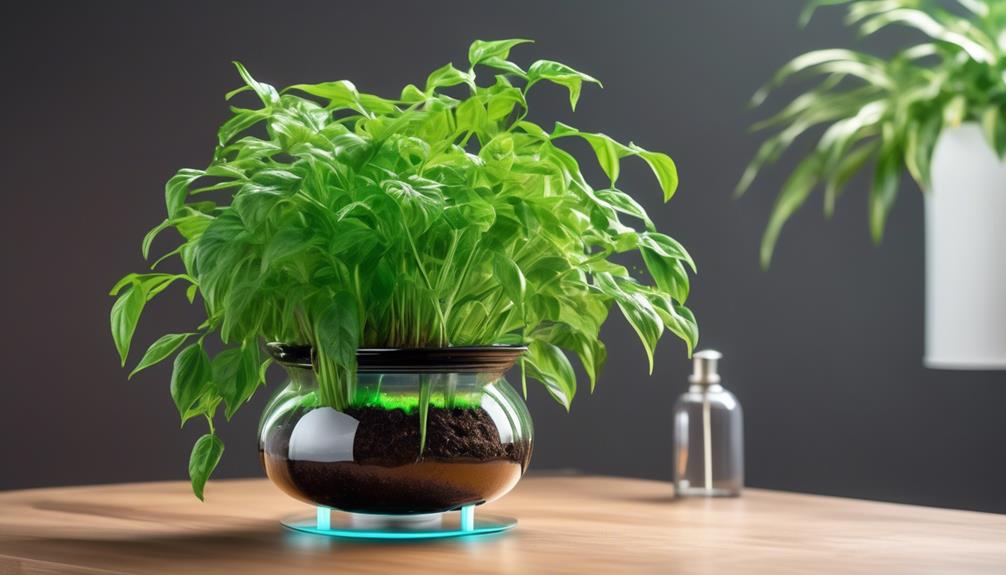
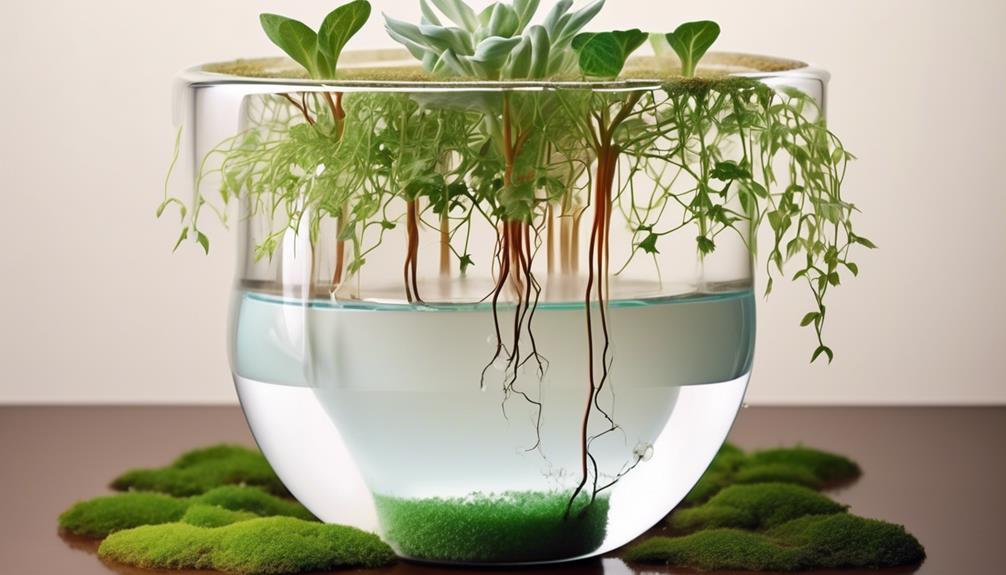
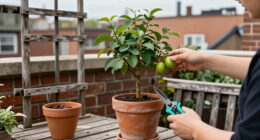
To understand water windows on self-watering planters, simply look at the transparent indicator to see the water level at a glance. A water line near the top means your plant has enough moisture, while a level below the minimum signals it’s time to refill. Keep an eye on how the water level changes over time to spot patterns and adjust your watering schedule accordingly. If you want to learn more about maintaining your plants’ hydration effectively, keep reading.

Get the little things that make your day delivered free with Prime
- Fast, free delivery on millions of items
- Prime Video, Amazon Music and more included
- Member-only deals all year
Key Takeaways
- Check that the water line is near the top for adequate moisture; a low level indicates the need for refilling.
- Use transparent indicators to easily see water level changes over time.
- Monitor how quickly water levels drop to assess plant water uptake and identify potential issues.
- Regularly inspect the water window daily to maintain consistent soil moisture.
- Adjust watering routines if water levels fluctuate rapidly or remain persistently high.

Understanding how to read water windows on self-watering planters is essential for maintaining healthy plants. These transparent indicators let you see at a glance whether your plant is getting enough water or if it needs a bit more. Proper water management isn’t just about preventing overwatering or underwatering; it also supports your plant’s overall health by ensuring consistent moisture levels. When you become skilled at reading these water windows, you gain better control over the moisture your plants need to thrive, reducing stress and promoting vigorous growth.
As you check the water window, you’ll notice the level of water inside the reservoir. If the indicator shows the water line is near the top, your plant has plenty of moisture, and you can leave it be for now. But if the water level drops below the minimum mark, it’s time to refill. This simple visual cue helps you avoid guesswork, so you won’t accidentally let your plants go too long without water or risk drowning them by overfilling. With consistent monitoring, you can keep the soil moisture steady, which is crucial for healthy root development. Recognizing the importance of consistent monitoring can help you develop a reliable watering routine.
You should also pay attention to how quickly the water level drops over time. A rapidly decreasing water window could mean your plant is absorbing water faster than usual—perhaps due to increased heat or rapid growth. Conversely, if the water level remains high longer than expected, it might be a sign of poor water uptake, possibly caused by root damage or a blocked wick. Recognizing these patterns enables you to adjust your watering schedule or investigate potential issues early, preventing problems before they affect plant health. Understanding the water absorption process can help you fine-tune your watering routine for optimal growth and better plant health.
Another important aspect is understanding that water windows are most effective when you check them regularly, ideally daily. Consistent monitoring helps you catch fluctuations early and adapt your water management accordingly. This proactive approach ensures your plants receive a steady supply of moisture, reducing the risk of both drought stress and waterlogging. Recognizing the significance of watering frequency can lead to healthier, more resilient plants. Additionally, being aware of the power of consistent care enhances your ability to maintain optimal conditions for your plants’ development.
self-watering planter water level indicator
As an affiliate, we earn on qualifying purchases.
As an affiliate, we earn on qualifying purchases.
Frequently Asked Questions
How Often Should I Check the Water Window?
You should check the water window daily to maintain an ideal watering schedule and guarantee your plant’s health. Regularly monitoring helps you see when the water level is low, so you can refill before the plant dries out. This practice prevents overwatering or underwatering, both of which can harm your plant. Consistent checks help you stay on top of your plant’s needs, keeping it healthy and thriving.
Can Water Windows Be Cleaned Easily?
Think of your water window as a window to your plant’s health—clean it easily with a simple cleaning process. Use a soft cloth and mild soap to wipe away dirt or algae. The material’s durability guarantees it withstands regular cleaning without damage. Regular maintenance keeps your planter looking fresh and ensures accurate water level readings, helping your plants thrive with minimal effort.
Do Water Windows Work With All Planter Sizes?
Water windows work with most planter sizes, but their effectiveness depends on the planter’s material and water window design. For example, clear plastic or glass planters make it easier to see water levels, regardless of size. Larger planters with a well-designed water window allow you to monitor moisture without opening them, while smaller ones might require more precise placement. Always choose a water window that suits your planter’s material and size for best results.
What if the Water Window Is Cracked?
If your water window is cracked, you should address it promptly to prevent leaks or further damage. A cracked window may still work, but it’s less reliable. You can consider replacement options, such as repairing the crack with waterproof sealant or replacing the water window entirely. Check with the planter manufacturer for compatible replacement parts, or visit a garden center for suitable alternatives to guarantee your self-watering system remains effective.
How Accurate Are Water Windows in Measuring Water Levels?
Water windows are quite accurate in measuring water levels, but their reliability depends on water window durability and light interference. When the window remains intact and free from cracks, it provides a clear view of water levels. However, if sunlight causes glare or fading, it can distort readings. You should regularly check for damage or dirt on the water window, ensuring accurate, consistent measurements for healthy plant watering.
transparent water window for plant pots
As an affiliate, we earn on qualifying purchases.
As an affiliate, we earn on qualifying purchases.
Conclusion
Now that you know how to read those water windows, your plants will thank you like a well-trained butler. Keep an eye on the level, refill when needed, and you’ll be a self-watering planter pro in no time—no need for a da Vinci to tell you that. With this simple knowledge, your garden will flourish, and you’ll be the hero of your own botanical story. Happy planting!
automatic watering planter reservoir
As an affiliate, we earn on qualifying purchases.
As an affiliate, we earn on qualifying purchases.
moisture level monitor for self-watering planters
As an affiliate, we earn on qualifying purchases.
As an affiliate, we earn on qualifying purchases.
NFL season / tailgating Picks
team gear
As an affiliate, we earn on qualifying purchases.