TL;DR
A care guide dated November 20, 2026, explains how to grow Meyer lemon trees indoors and in containers, emphasizing bright light, free drainage and careful watering. It offers practical steps but does not report new research or guarantee flowering or fruit production.
A gardening guide published November 20, 2026, describes how to care for Meyer lemon trees indoors and in containers, focusing on direct sunlight, draining soil and attentive watering. The advice matters to gardeners with limited outdoor space, though the source presents general care guidance rather than new research or a guarantee of fruit.

Get the little things that make your day delivered free with Prime
- Fast, free delivery on millions of items
- Prime Video, Amazon Music and more included
- Member-only deals all year
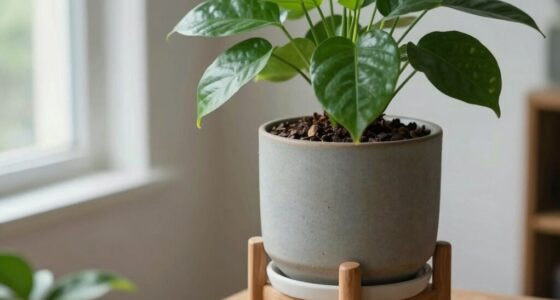
The guide recommends a sturdy pot with open drainage holes, sized only modestly larger than the tree’s root ball. An oversized container can hold excess moisture for longer, while a pot that is too shallow or cramped may restrict root growth. It says to keep the trunk at its original planting level and the graft above the potting mix.
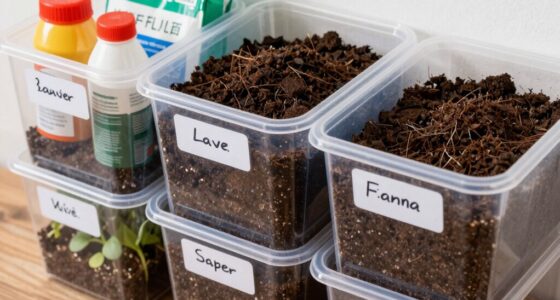
For the growing medium, it advises using a loose, well-draining potting mix rather than dense garden soil. A citrus potting mix or standard potting soil amended with perlite is offered as an option. The mix should retain some moisture while letting excess water escape and allowing air to reach roots; the guide describes slightly acidic soil as suitable.
Indoor trees should be placed near a south-facing window with at least six hours of direct sunlight, according to the guide. Where natural light is insufficient, it suggests considering a grow light and following the fixture’s operating directions. Water when needed after checking the mix, let the surface dry slightly between waterings, and empty water collected in the saucer. Feed during active growth with a fertilizer labeled for citrus in containers, following its directions.
Meyer Lemon Tree Care Indoor and Container Guide
A November 2026 guide covers light, drainage, watering and seasonal care. Consistent attention can support a healthy tree, but does not guarantee fruit.
Set up the container
Good drainage and room for roots help reduce waterlogging.
Choose a close fit
Use a sturdy pot with open drainage holes, only modestly larger than the root ball. Keep the trunk at its original level and the graft above the mix.
Let water escape
Use loose, well-draining citrus mix or potting soil amended with perlite. Slightly acidic mix should retain some moisture while letting excess water drain.
Build a steady care routine
Check the tree and its growing conditions instead of relying on a fixed schedule.
Place indoors near a south-facing window for at least six hours of direct sunlight. Consider a grow light if daylight is insufficient; follow its directions.
Let the surface dry slightly between waterings, then empty the saucer. Adjust as heat, pot size and airflow change.
Choose fertilizer labeled for citrus in containers and follow the product directions.
Move with the seasons
Acclimate the tree gradually outdoors and bring it inside before frost.
- After frost risk passes, start in sheltered shade.
- Increase sun exposure gradually toward full sun.
- Keep foliage away from heaters and cold drafts.
- Reduce watering as growth slows and inspect for mites, scale and whiteflies.
Set expectations for fruit
Indoor conditions can limit flowering and fruit production. The guide gives no reliable harvest timeline or guaranteed date.
| What affects timing | What the guide says |
|---|---|
| Tree age and propagation | A tree may take a few years; seed-grown trees may take longer. |
| Growing conditions | Fruiting depends on conditions, and seed-grown fruit may differ from the parent. |
Light and Drainage Shape Indoor Growing
The guidance addresses two practical challenges for people growing citrus in limited space: supplying enough light and preventing roots from remaining waterlogged. Indoor conditions can limit flowering and fruit production, the source says, so keeping a tree alive is not the same as ensuring a harvest. Checking moisture instead of following a rigid watering calendar can help gardeners respond to changes in heat, pot size and airflow.
The advice also sets expectations: Meyer lemon care requires regular observation, and fruiting depends on growing conditions. The source does not promise that a particular window, watering routine or fertilizer will produce fruit in every home.
Products Worth Considering

EAGLE PEAK 12 x 8 ft Walk-In Pop-Up Greenhouse with Support Pole

Husqvarna 460 Rancher 24-Inch Gas Chainsaw

Husqvarna 542i XP 16-Inch Battery-Powered Chainsaw
As an affiliate, we earn on qualifying purchases.
Seasonal Moves and Winter Protection
The guide recommends moving a container-grown tree outdoors after frost risk has passed, but says to acclimate it gradually. Start in sheltered shade and increase its exposure toward full sun rather than placing it directly into intense outdoor conditions. Before frost returns, bring the tree inside, using local forecasts and regional growing-zone information as reference points.
During winter, the source advises keeping foliage away from heaters and cold drafts, checking for mites, scale and whiteflies, and considering a humidifier in very dry rooms. It also recommends reducing watering as growth slows, removing dead branches and shoots below the graft, and repotting when roots are crowded or the potting mix has broken down.
“Growing a Meyer lemon tree indoors is possible, but fruit production depends on conditions.”
— Bill Hageman, author of the November 20, 2026, guide
Fruit Timing Depends on Growing Conditions
The guide does not specify a reliable timeline for flowering or harvest. Its FAQ says a tree may take a few years to bear fruit, depending on its age, propagation method and conditions; seed-grown trees may take longer and may not produce fruit identical to the parent. No exact harvest date is guaranteed.
It also does not provide measurements for fertilizer rates, grow-light distance or watering frequency, which can vary by product and setting. Yellow leaves and leaf drop may occur with overwatering, but the source cautions that these symptoms can have other causes. Gardeners should check soil moisture, drainage, light and pests before assuming one problem is responsible.
Monitor the Tree Through Each Season
The guide does not announce a follow-up study or scheduled update. Its practical next step for growers is to monitor the tree as conditions change: check the potting mix before watering, follow fertilizer and grow-light labels, inspect foliage for pests, and adjust care when indoor growth slows or the tree moves outdoors.
Before cold weather, bring the plant inside ahead of frost; when spring conditions allow, return it outdoors in stages. Local forecasts and the tree’s response should guide those seasonal adjustments rather than a fixed calendar.
Key Questions
How much sunlight does an indoor Meyer lemon tree need?
The guide recommends at least six hours of direct sunlight near a south-facing window. If daylight is limited, a grow light may help; follow the fixture’s directions for distance and operating time.
How should I water a potted Meyer lemon tree?
Check the potting mix before watering and allow the surface to dry slightly between waterings. Water thoroughly when needed, then empty excess water from the saucer. The appropriate interval varies with pot size, heat and wind.
When should I bring a Meyer lemon tree indoors?
Bring it inside before frost, using local forecasts and regional growing information for guidance. Keep it away from cold drafts and heaters once indoors.
How long does a Meyer lemon tree take to produce fruit?
The source says a tree may take a few years, depending on its age, how it was propagated and its growing conditions. Seed-grown trees may take longer, and the guide gives no guaranteed harvest date.
What are signs a Meyer lemon tree may be overwatered?
Yellowing leaves, leaf drop and persistently wet mix can be signs of overwatering, according to the guide. These symptoms can have other causes, so also check drainage, light and pests.
Source: groworganic.com