TL;DR
A gardening article lists 10 ferns suited to indoor growing and outlines their differing needs for light, moisture, humidity and temperature. It is a plant-care guide, not a report of a new announcement or study; the recommendations are based on the author’s experience and are not presented as comparative trial results.
A gardening writer has outlined 10 ferns for indoor growing, pairing familiar choices such as Boston fern with less common options including crocodile plant and heart-shaped fern. The guide highlights differences in light, watering, humidity and temperature that can help readers choose a plant suited to their home and care routine.

Get the little things that make your day delivered free with Prime
- Fast, free delivery on millions of items
- Prime Video, Amazon Music and more included
- Member-only deals all year
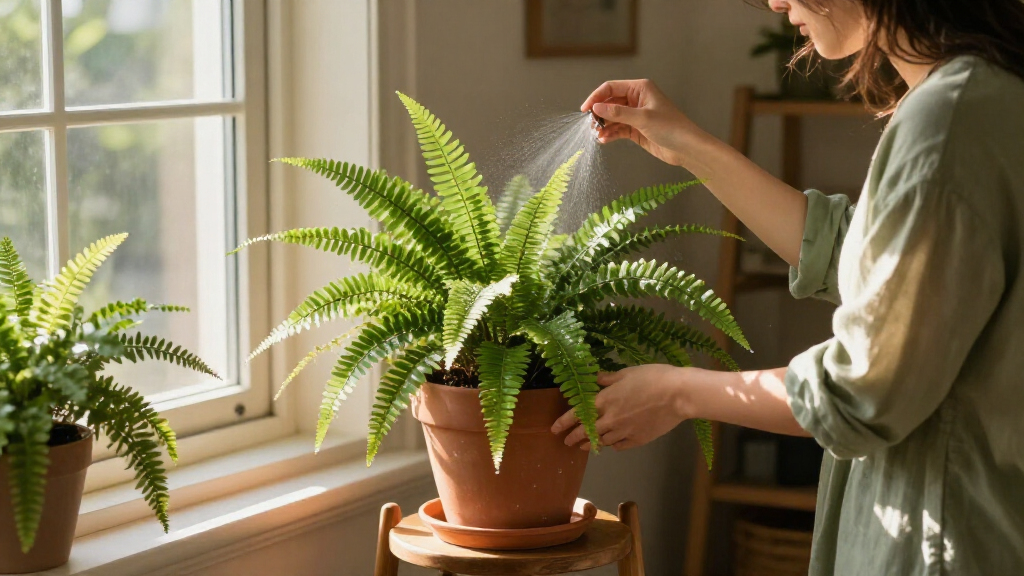
The list includes Boston fern (Nephrolepis exaltata), Kimberly Queen fern (Nephrolepis obliterata) and holly fern (Cyrtomium falcatum). The writer recommends bright or indirect light and soil that stays moist without becoming waterlogged for the first two. Boston fern should not be allowed to dry out completely, while the writer describes Kimberly Queen as more resilient and more upright. Holly fern is presented as a tougher, broad-growing choice that also prefers indirect light and slightly moist soil.
Several entries offer different foliage or growth habits. Rabbit’s foot fern (Davallia mariesii) produces fuzzy rhizomes that can grow beyond the pot; the guide suggests a humid spot such as a bathroom and notes that it can survive a short lapse in watering, though it may lose foliage. Golden fern (Phlebodium aureum) has blue-toned leaves, despite its name referring to the color of its rhizomes. The writer says it can tolerate a cooler, drier room but should not be left completely dry.
The remaining choices include bird’s nest fern, crocodile plant, Cretan pteris, dwarf tree fern and heart-shaped fern. The guide says bird’s nest fern benefits from high humidity and warm conditions, while crocodile plant needs slightly humid surroundings and soil kept lightly moist. Cretan pteris and heart-shaped fern are suggested for terrariums; dwarf tree fern, by contrast, needs regular watering and has little tolerance for drought.
10 Great Ferns To Grow Indoors
Ten ferns suit indoor growing, but their needs for light, moisture, humidity and warmth differ. Choose one that fits your home and care routine.
Match a Fern to Your Home
The guide describes different care needs, rather than a universal best choice.
Boston fern
Prefers bright or indirect light and moist soil. Do not let it dry out completely.
Kimberly Queen
The writer describes it as more upright and resilient than Boston fern.
Crocodile plant
Its dark-veined leaves stand out; it prefers lightly moist soil and some humidity.
Consider Humidity and Watering
Room conditions can help narrow the options.
- Bird’s nest fern prefers warm, humid conditions.
- Rabbit’s foot fern suits a humid spot such as a bathroom.
- Cretan pteris and heart-shaped fern are suggested for terrariums.
- Golden fern can tolerate a cooler, drier room, but not completely dry soil.
- Dwarf tree fern needs regular watering and has little drought tolerance.
- Rabbit’s foot fern may survive a short lapse, but can lose foliage.
Place with Care
Light and growing conditions vary by species.
Consider available light, room temperature and humidity.
The writer advises keeping all the listed ferns out of direct sunlight.
Watch the potting mix and foliage, then adjust care if the fern shows stress.
Match Ferns to Home Conditions
The list is useful because indoor ferns do not share identical care needs. A plant that copes with a cooler room or occasional missed watering may suit a different household from one that depends on warmth and high humidity. The guide gives readers practical distinctions to weigh before buying, rather than treating all ferns as interchangeable.
Those differences can affect where a plant is placed and how often it is watered. The writer advises avoiding direct sun for all the listed ferns, while recommending bright or indirect light for many. Plants described as humidity-loving may be better suited to a bathroom or closed terrarium, if the space also provides appropriate light and temperature.
The recommendations should be read as general gardening guidance, not a guarantee that a fern will thrive in every home. Indoor conditions vary, and the source does not report controlled tests comparing the plants. Readers may need to adjust care based on how their plant responds and the conditions in their room.
Products Worth Considering

Husqvarna 542i XP 16-Inch Battery-Powered Chainsaw

Orbit B-hyve XR 8-Zone Indoor/Outdoor Smart Sprinkler Controller
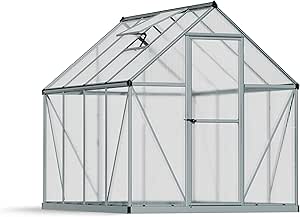
Palram Canopia Mythos 6' x 8' Polycarbonate Greenhouse, Silver
As an affiliate, we earn on qualifying purchases.
Ten Species, Different Care Needs
The article combines classic houseplants with less familiar varieties. Boston fern is described as the best-known option, while the writer characterizes Kimberly Queen as a sturdier relative and holly fern as a larger, tougher choice. The list also covers compact plants for limited space and ferns with distinctive foliage, including the heart-shaped leaves of Hemionitis arifolia and the dark-veined leaves of crocodile plant (Microsorum musifolium).
Its advice focuses on everyday indoor conditions rather than botanical history or a formal ranking. The author’s comments include personal experience, particularly on the ease of growing golden fern and the ability of rabbit’s foot fern to survive a brief dry spell. No publication date, test method or source for a comparative assessment is provided, so the list is best understood as a set of suggestions and care notes.
““One of the secrets to keeping them beautiful is to never let the soil dry out completely.””
— The gardening writer, on Boston fern
Care Depends on Indoor Conditions
The source does not identify when the list was published, explain how the 10 plants were selected or provide trial data comparing their performance. Descriptions such as “tougher” and “more resilient” reflect the writer’s assessment rather than a documented, standardized comparison.
Specific care needs can also vary with a home’s temperature, humidity, light and watering routine. The guide provides broad suggestions, but it does not set out a universal watering schedule or quantify humidity requirements for each species. It is not clear which conditions will apply in an individual reader’s home.
Choose and Monitor a Fern
Readers can use the list to shortlist plants based on available light, room temperature and willingness to maintain humidity. Before purchasing, they can check that the species is correctly labeled and ask a seller about its current growing conditions. After bringing a fern home, the practical next step is to monitor the potting mix and foliage and adjust care if the plant shows signs of stress.
No follow-up study, new announcement or further milestone is described in the source. The guide remains a set of plant-care recommendations rather than a developing news event.
Key Questions
Which fern does the guide describe as the most resilient?
The writer describes Kimberly Queen fern as tougher and more resilient than Boston fern, and says it appears to lose fronds less quickly. That is the writer’s assessment, not a reported comparative trial.
Which ferns are suggested for a terrarium?
The guide suggests Cretan pteris and heart-shaped fern as options for a closed terrarium because they thrive in humidity. It also notes that Cretan pteris can grow in cooler conditions.
Do these indoor ferns need direct sunlight?
The writer advises keeping the listed ferns out of direct sunlight. Many are described as preferring bright or indirect light, though the crocodile plant is said to tolerate somewhat less light.
Which fern can cope with a short lapse in watering?
The guide says rabbit’s foot fern can survive being forgotten for a little while, but may lose foliage. The writer still recommends providing humidity and avoiding prolonged neglect.
Does the article prove one fern is best for every home?
No. It offers 10 suggestions and general care notes, not a controlled comparison or a universal ranking. The right choice depends on a home’s light, temperature and humidity, as well as the grower’s routine.
Source: laidbackgardener.blog