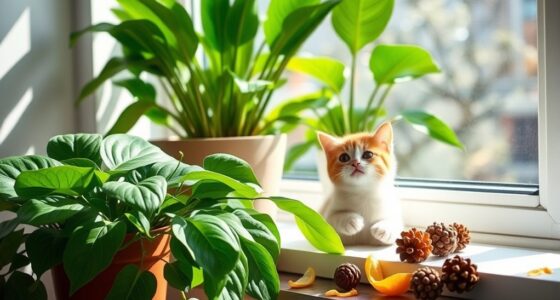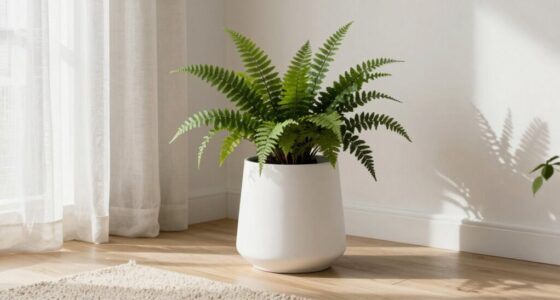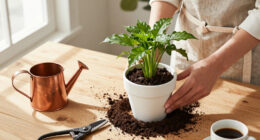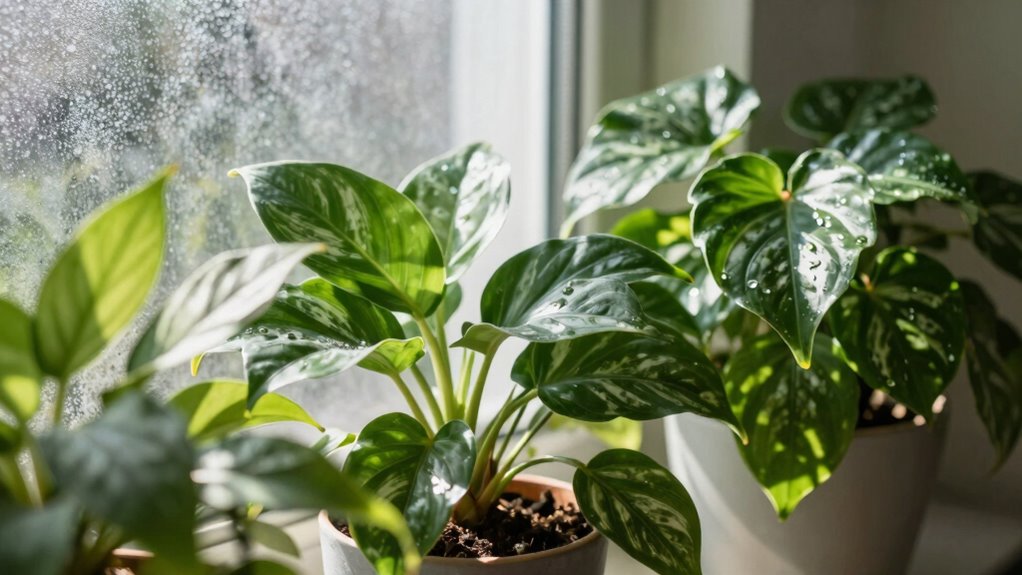

During winter, you need to feed your indoor plants less because their growth slows down due to lower light and cooler temperatures. They require fewer nutrients to avoid issues like salt buildup or nutrient imbalances that can harm their roots. Limiting fertilizing also helps them conserve energy and stay healthy during their resting period. If you keep going, you’ll discover simple ways to maintain your plants’ health and prevent common winter problems.

Get the little things that make your day delivered free — and shop member deals
- Fast, free delivery on millions of items
- Access to Prime Big Deal Days deals on October 6–7
- Prime Video, Amazon Music and more included
Key Takeaways
- Plants grow more slowly during winter, reducing their nutrient requirements.
- Cooler temperatures and lower light levels decrease photosynthesis and overall plant activity.
- Over-fertilizing can cause salt build-up and root damage, especially when growth is minimal.
- Resting plants conserve energy, making less frequent feeding sufficient.
- Reduced watering and soil maintenance support healthy roots without excess nutrients.
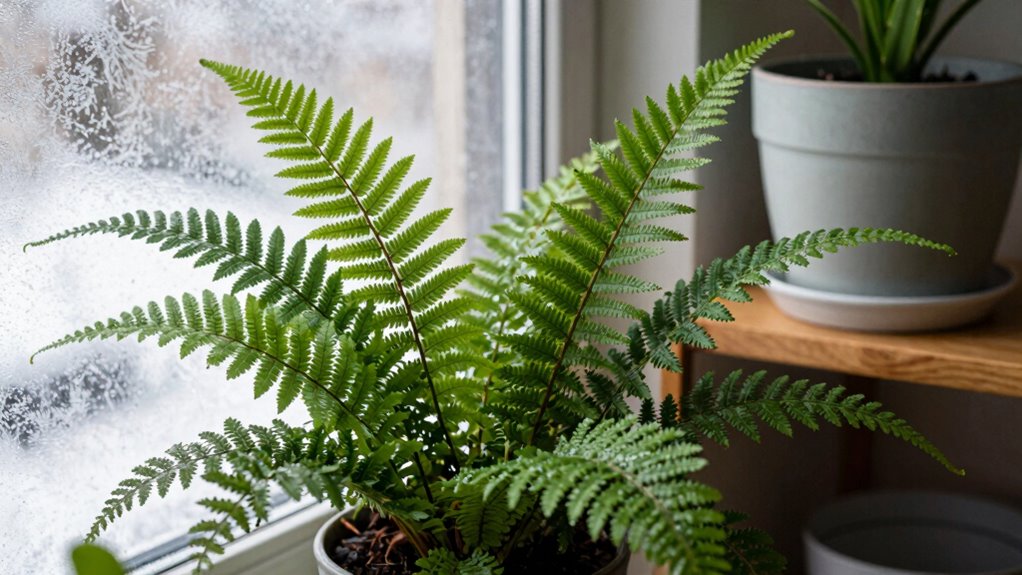
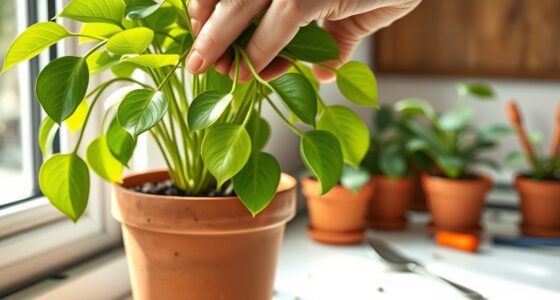
Many indoor plants need special care during winter, especially when it comes to feeding. During this time, your plants generally require less fertilizer because their growth slows down due to lower light levels and cooler temperatures. Overfeeding can do more harm than good by causing salt build-up in the soil, which can damage roots and hinder nutrient uptake. Instead, focus on maintaining healthy soil conditions. Proper soil aeration is essential, even in winter, as it ensures roots get enough oxygen and prevents compaction. You can gently loosen the soil surface or add a light layer of fresh, well-draining potting mix to keep air circulation suitable. This encourages healthy root growth without forcing unnecessary feeding. Additionally, maintaining proper soil aeration helps prevent issues like root rot or nutrient imbalances that can arise during periods of reduced growth. Regularly inspecting your plants for signs of pests such as spider mites, aphids, or scale insects is also crucial, as pests tend to become less active but are not entirely gone. If you notice any, address them promptly with appropriate treatments, like insecticidal soap or neem oil. Keeping pests in check is especially important because stressed plants are more vulnerable to infestations, and over-fertilizing can exacerbate this problem by creating a more inviting environment for pests. Limiting feeding during winter helps keep your plants resilient and less attractive to unwanted visitors. Since your plants aren’t actively growing as much, they don’t need the extra nutrients that fertilizing provides during warmer months. Giving them less fertilizer or pausing feeding altogether allows the plants to rest and conserve energy. This period of reduced feeding also prevents the risk of nutrient imbalance, which can lead to yellowing leaves, root rot, or other health issues. To further support their health, maintaining good soil quality is essential, as degraded soil can hinder nutrient absorption even when feeding resumes. Well-maintained soil also reduces the likelihood of microplastic accumulation, which can impact plant health over time. Research suggests that dust accumulation can hinder photosynthesis and reduce plant vigor, so regular cleaning of leaves is recommended. When you do resume feeding in spring, start with diluted fertilizers to avoid shock, but for now, stick to watering only when the soil feels dry. This approach supports plants’ natural winter dormancy and helps maintain their overall health.
indoor plant fertilizer for winter
As an affiliate, we earn on qualifying purchases.
As an affiliate, we earn on qualifying purchases.
Frequently Asked Questions
Can I Fertilize My Indoor Plants During Cold Snaps?
You shouldn’t fertilize your indoor plants during cold snaps because they enter winter dormancy, which slows their growth and reduces nutrient needs. Fertilizing during this time can harm plant health, as excess nutrients may cause stress or damage. Instead, wait until spring when plants actively grow again. Focus on proper watering and maintaining humidity, allowing your indoor plants to rest and recover until it’s the right time to nourish them again.
Do All Indoor Plants Require the Same Winter Feeding Schedule?
Think of your indoor plants as delicate dancers, each with unique movements. Not all require the same winter feeding schedule; some may need less, others more. To maintain plant health, you must guarantee the nutrient balance matches their specific needs. Observe their leaves and growth patterns, adjusting feeding accordingly. This way, you keep each plant thriving, respecting their individual rhythm amid the winter’s quiet, securing their vitality and beauty persist through the season.
How Do I Know if My Plant Needs Less Fertilizer in Winter?
You can tell your plant needs less fertilizer in winter by observing signs of plant dormancy and fertilizer signs. During dormancy, growth slows, and overfeeding can cause leaf burn or salt buildup. If your plant shows yellowing leaves, stunted growth, or root issues, cut back on feeding. Trust these signs; reducing fertilizer supports healthy dormancy, and resume regular feeding as your plant shows new growth in spring.
Is Organic Fertilizer Better Than Synthetic in Winter?
Organic fertilizer can be better than synthetic in winter because of natural alternatives that provide gentle, consistent nutrients. Chemical differences matter—organic options release nutrients slowly, reducing the risk of overfeeding when your plants’ growth slows. You might prefer organic fertilizers because they improve soil health and are less likely to cause root burn. Overall, they support your indoor plants’ needs during winter’s low-light, cooler conditions more sustainably.
Should I Water Less When Feeding Indoor Plants in Winter?
Yes, you should water less when feeding indoor plants in winter. Reduced watering frequency helps prevent overwatering, which can hinder nutrient absorption during colder months when plants grow slower. When you water less, nutrients stay available longer in the soil, ensuring your plants absorb what they need without risking root rot. Adjust your watering routine to match the plant’s decreased growth and indoor conditions for healthier, happier plants.
well-draining potting soil for indoor plants
As an affiliate, we earn on qualifying purchases.
As an affiliate, we earn on qualifying purchases.
Conclusion
So, enjoy the winter lull—your plants secretly prefer a break from constant feeding. While you might think they demand more care to survive the cold, they actually thrive on less attention. Ironically, your overzealous watering and fertilizing could be doing more harm than good. So sit back, relax, and let your indoor greenery take a well-deserved vacation. After all, sometimes less really is more—even when it comes to plant care in winter.
indoor plant pest control products
As an affiliate, we earn on qualifying purchases.
As an affiliate, we earn on qualifying purchases.
As an affiliate, we earn on qualifying purchases.
NFL season / tailgating Picks
team gear
As an affiliate, we earn on qualifying purchases.