To create aesthetic harmony with indoor plants, choose complementary or contrasting foliage colors to add visual interest. Pair plants with matching textures and varied heights to establish balance. Select containers that enhance your decor style, such as sleek neutrals or textured ceramics, and vary their sizes for rhythm. Grouping plants thoughtfully by size and style helps achieve cohesion. If you keep experimenting with these ideas, you’ll discover more tips to elevate your plant arrangements even further.
Key Takeaways
- Select plants with complementary or contrasting foliage colors to create visual interest and harmony.
- Use container styles and sizes that enhance the overall design theme and balance plant proportions.
- Group similar container styles for cohesion or mix textures for added visual dynamism.
- Balance plant heights and container sizes to establish visual rhythm and prevent overcrowding.
- Consider lighting and care needs to ensure healthy growth, supporting aesthetic consistency.
Indoor plants have become a popular way to enhance the visual appeal and atmosphere of any space, transforming dull rooms into vibrant, calming environments. When you’re mixing and matching indoor plants for aesthetic harmony, paying attention to plant color schemes and container styles can make all the difference. These elements help create a cohesive look that feels intentional and balanced, rather than cluttered or chaotic.
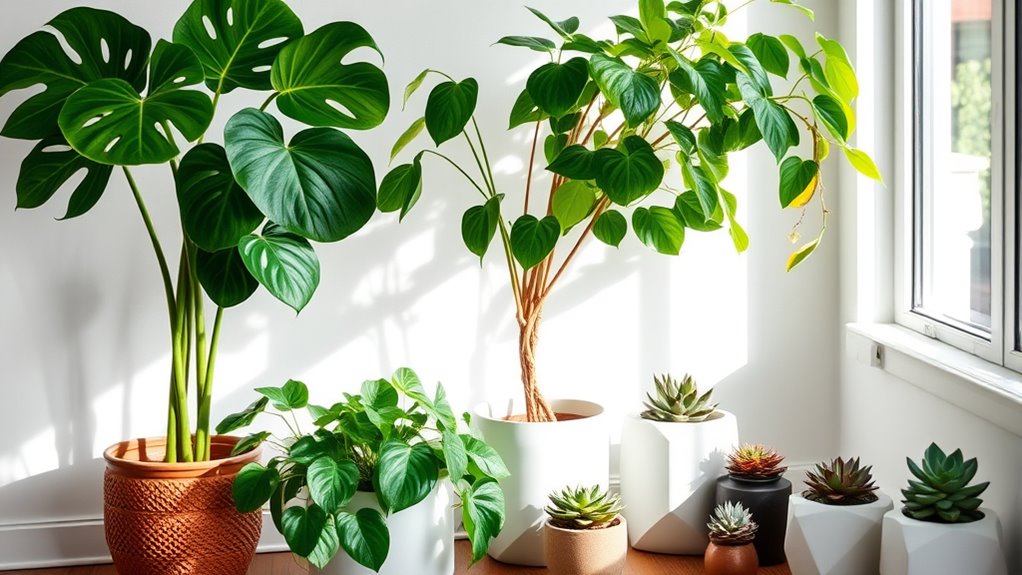
Start by considering the plant color schemes. You want to choose plants with foliage that complements each other, either through harmony or contrast. For example, pairing lush green plants with deep purple or variegated leaves introduces visual interest without overwhelming the space. If you prefer a more uniform look, opt for plants with similar shades of green, varying their textures and heights to add depth. Bright, bold plants can serve as focal points, while softer, muted greens can act as a calming background. Think about the mood you want to evoke—energetic and lively or serene and subdued—and select plant colors accordingly.
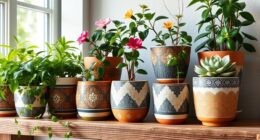
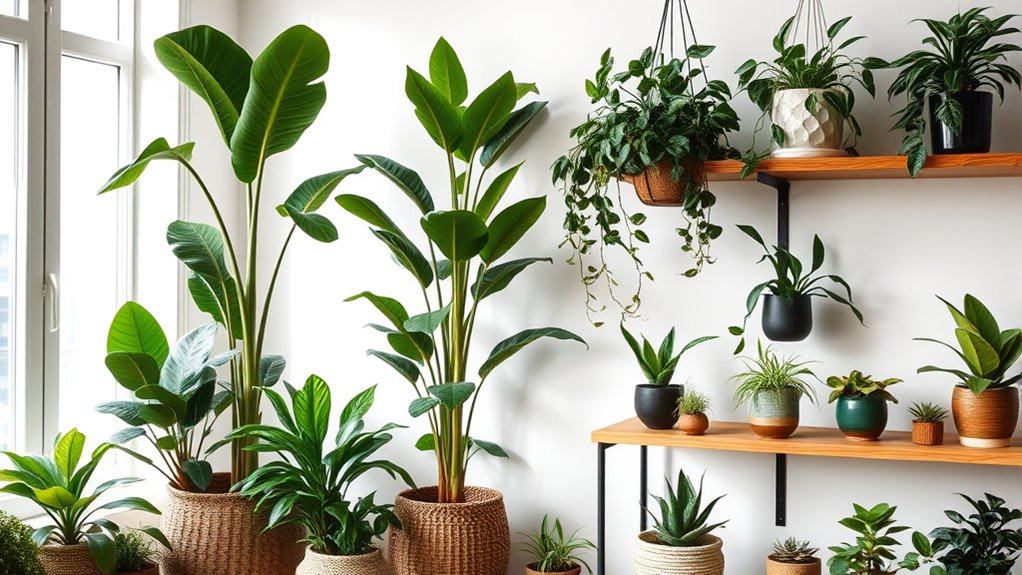
Container styles also play an essential role in achieving aesthetic harmony. The right containers should enhance the overall design theme, whether you’re aiming for modern minimalism or a boho vibe. For a sleek, contemporary look, go for clean-lined pots in neutral colors like white, black, or metallic finishes. These provide a subtle backdrop that lets the plants shine. If you prefer a more eclectic or earthy feel, consider textured ceramic pots, woven baskets, or terracotta containers. These add warmth and personality to your plant display, making it feel more integrated into your decor. Additionally, varying container sizes and shapes can create visual rhythm, guiding the eye smoothly across your plant arrangement.
When mixing plants and containers, think about balance. Taller plants look great in larger containers, while trailing or small plants benefit from more delicate, smaller pots. Grouping plants with similar container styles can unify the display, or deliberately contrasting styles for a more dynamic look. For example, pairing a sleek, modern pot with a lush, leafy plant creates a striking focal point. Conversely, using a consistent container style across different plant types fosters harmony and simplicity.
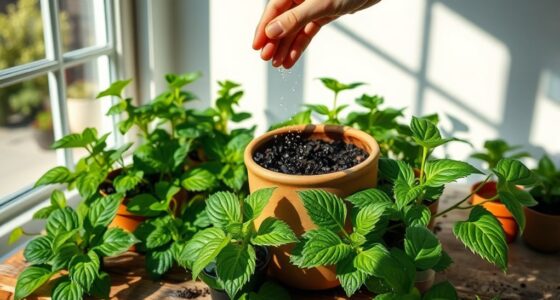
To ensure your indoor plant arrangements thrive, consider the proper lighting conditions and watering needs for each plant type. Ultimately, combining plant color schemes with container styles requires an eye for detail and a bit of experimentation. Trust your instincts and don’t be afraid to play with different combinations until you find what feels right. When you pay attention to these elements, your indoor plant arrangements will not only thrive but also elevate your space’s aesthetic, creating a harmonious environment that’s both beautiful and inviting.
Frequently Asked Questions
How Do I Prevent Pests When Mixing Different Indoor Plants?
To prevent pests when mixing different indoor plants, you should prioritize pest prevention by inspecting each plant before bringing it indoors. Maintain plant diversity by choosing healthy, pest-free varieties and avoid overcrowding, which can promote pest spread. Regularly check your plants for early signs of pests, keep leaves clean, and verify proper airflow. Quarantining new plants for a week helps catch issues early, reducing the risk of pests spreading among your indoor garden.
What Lighting Conditions Are Best for Mixed Plant Arrangements?
Imagine a dance where every move is perfectly timed—you need the right light intensity. For mixed plant arrangements, place light-loving plants where they get bright, indirect light, like near a south-facing window. Shade-tolerant varieties thrive with lower light, so keep them farther from direct sun. Balancing plant placement with appropriate light guarantees each plant’s health, creating a harmonious, vibrant display that feels as natural as a well-choreographed dance.
How Often Should I Water Diversified Indoor Plant Groups?
You should water your diversified indoor plant groups when the top inch of soil feels dry, typically every 1-2 weeks. Your watering schedule depends on plant diversity, as different species have varying moisture needs. Be sure to adjust based on each plant’s requirements, avoiding overwatering or underwatering. Regularly check soil moisture and observe your plants’ leaves to maintain a healthy, thriving indoor garden with balanced watering.
Can Mixing Plants Impact Indoor Air Quality?
While mixing plants might seem purely aesthetic, it can positively impact indoor air quality through plant synergism. Certain plants, like snake plants and pothos, excel at air purification, and combining them enhances this effect. By creating diverse plant groups, you boost their collective ability to filter toxins, improving overall air quality. So, your plant choices can work together to make your indoor environment healthier and more vibrant.
Are Certain Plant Combinations Better for Small Spaces?
Yes, certain plant combinations work better in small spaces. You should focus on plant size to avoid overcrowding and choose compact varieties. Color coordination also helps create a cohesive look, making the area feel more spacious. Mix different leaf textures and shades but keep the overall size manageable. This approach maximizes visual appeal while maintaining balance and harmony in limited space.
Conclusion
As you arrange your indoor plants, imagine a lush oasis blooming within your space, each leaf and stem blending seamlessly like a painted masterpiece. Feel the gentle rustle of leaves and the vibrant pops of greenery, transforming your home into a calming sanctuary. When you mix and match thoughtfully, your environment becomes a harmonious retreat, inviting peace and inspiration with every glance. Embrace this green symphony and let your space flourish with natural beauty.