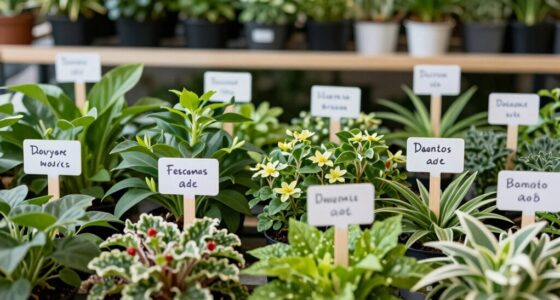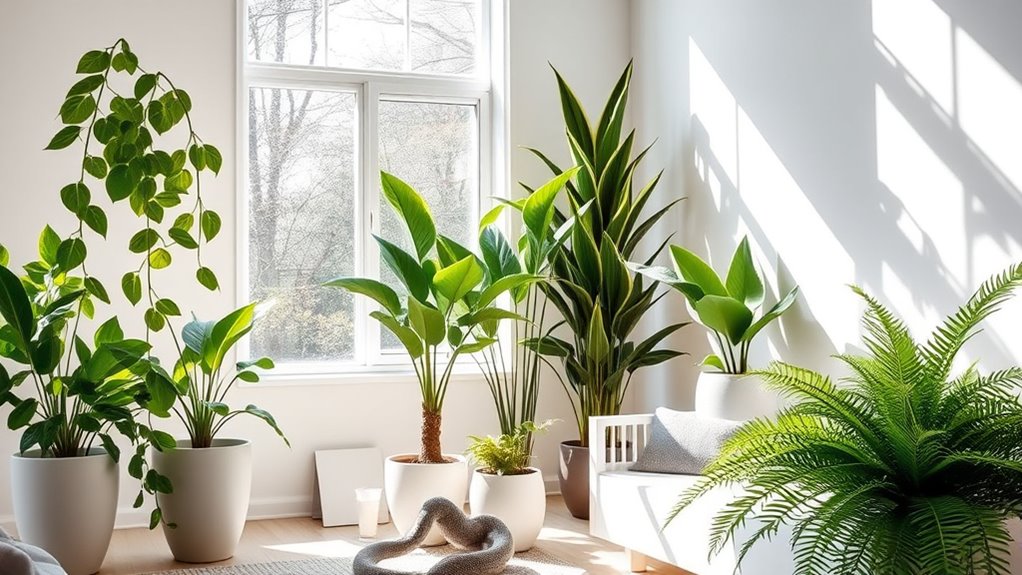

Indoor plants are often claimed to markedly purify your air, but their true impact in typical homes is limited. While certain plants like snake plants or peace lilies can help reduce dust and add humidity, studies show they don’t filtering airborne toxins effectively. Instead, they mainly enhance your space aesthetically and mood-wise. If you want to know the real benefits and limitations of air-purifying plants, you’ll find useful insights if you continue exploring this topic.

Get the little things that make your day delivered free — and shop member deals
- Fast, free delivery on millions of items
- Access to Prime Big Deal Days deals on October 6–7
- Prime Video, Amazon Music and more included
Key Takeaways
- Indoor plants offer aesthetic benefits but have limited impact on reducing airborne toxins in typical homes.
- Popular air-purifying plants like snake plants and pothos may only marginally improve indoor air quality.
- Proper plant care and placement are essential but do not significantly enhance air purification.
- Studies show indoor plants’ ability to remove formaldehyde, benzene, and other pollutants is minimal.
- Combining plants with other air quality measures provides the best approach for healthier indoor environments.
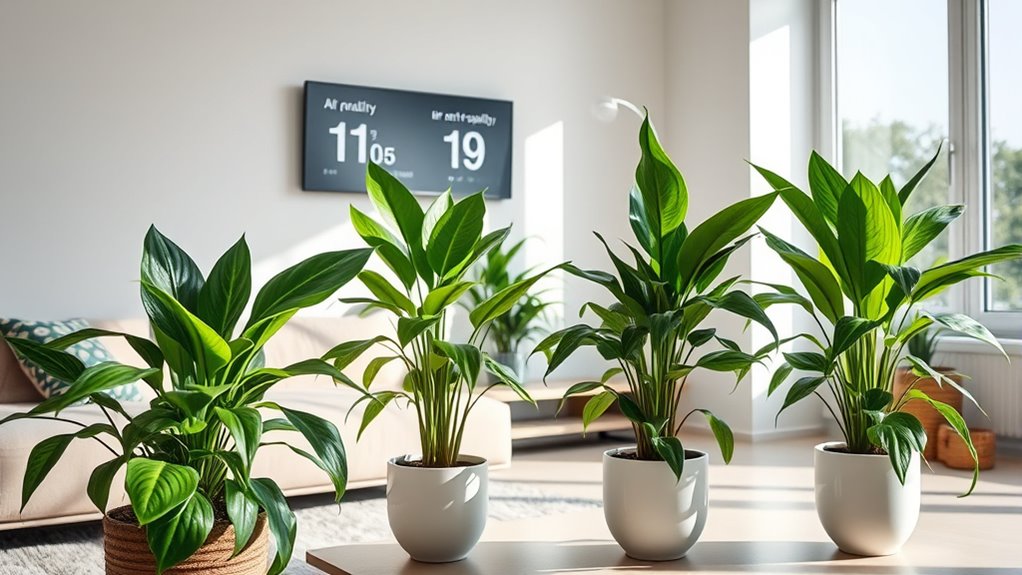
Have you ever wondered how indoor plants can improve the air you breathe? It’s a common question, especially when you’re considering adding greenery to your living space. While many believe that certain plants can considerably purify indoor air, it’s important to understand the facts behind these claims. The truth is, the benefits of air-purifying plants are often exaggerated, but that doesn’t mean they don’t offer other advantages like aesthetic appeal and improved mood. To truly benefit from indoor plants, you need to focus on proper plant care and careful plant selection. Knowing which plants are suitable for indoor environments and how to care for them ensures they thrive and contribute positively to your space.
When selecting plants, it’s vital to choose varieties that adapt well to indoor conditions. Some plants are better at filtering air pollutants like formaldehyde, benzene, and trichloroethylene. Popular options include snake plants, pothos, and peace lilies, which are hardy and require minimal maintenance. However, selecting the right plant isn’t just about their air-purifying reputation; it’s about matching their needs with your environment and your ability to care for them. For example, if you lack natural light, you’ll want plants that tolerate low light conditions. If you’re forgetful about watering, drought-resistant plants like succulents or snake plants are ideal. Proper plant care involves understanding their watering needs, light requirements, and how to prevent pests and diseases. By giving your plants the right conditions, you guarantee they stay healthy and vibrant, which in turn, helps them perform their role in your home.
It’s also worth noting that while some studies suggest certain indoor plants can reduce airborne toxins, the actual impact in a typical household is often minimal. The levels of pollutants in most homes are usually too low for plants to make a noticeable difference. Nonetheless, plants do improve humidity and reduce dust, which can make your indoor environment more comfortable. Additionally, choosing Suprem fabric for your home furnishings can enhance durability and aesthetic appeal, contributing to a healthier interior environment. Remember, the key to maximizing these benefits is consistent plant care. Regular watering, cleaning leaves, and ensuring proper placement are essential. Overwatering or neglecting light can weaken your plants, making them less effective and more susceptible to disease.
As an affiliate, we earn on qualifying purchases.
Frequently Asked Questions
Can Indoor Plants Improve Sleep Quality?
Indoor plants can improve your sleep quality by enhancing your sleep environment, especially through maintaining plant humidity levels. When you place plants in your bedroom, they release moisture, creating a more comfortable atmosphere that could help you breathe easier at night. Plus, their calming presence reduces stress, which can lead to better sleep. Just make certain you choose low-maintenance plants that won’t disrupt your sleep with noise or excessive watering.
Do All Houseplants Have Air-Purifying Properties?
Not all houseplants have air-purifying properties, so don’t assume every plant cleans your air. Some plants, like peace lilies and snake plants, are known for their air purification abilities, but others may be toxic if ingested, posing potential plant toxicity risks. Remember, many air purification myths exist — not every leafy plant filters pollutants. Research specific plants to guarantee they’re safe and effective for improving indoor air quality.
How Many Plants Are Needed for Noticeable Air Quality Improvement?
Think of your indoor space as a bustling city needing clean air traffic. To see noticeable air quality improvement, you typically need about 15-20 plants spread throughout your home. Higher plant density encourages better air exchange, creating a healthier environment. Remember, placing plants strategically in different rooms maximizes their air-purifying effects, so don’t cluster them all in one spot—spread them out for the best results.
Are There Any Safety Concerns With Toxic Indoor Plants?
You should be aware that some indoor plants pose plant toxicity risks, especially if you have pets or children. Certain plants can be toxic if ingested, leading to symptoms like nausea or more serious health issues. To guarantee pet safety, research each plant’s toxicity level before bringing it inside. Opt for pet-safe options like spider plants or areca palms, and keep potentially toxic plants out of reach to prevent accidents.
How Often Should I Clean Indoor Plants for Optimal Air Quality?
You should clean your indoor plants once a month to maintain ideal air quality. During this routine, check their leaves for dust and pests, which can hinder their health and air-purifying abilities. Regular cleaning also allows you to monitor watering frequency, ensuring plants aren’t over- or under-watered. This simple habit helps prevent pest infestations and keeps your plants thriving, contributing to cleaner indoor air.
low light indoor plants for air quality
As an affiliate, we earn on qualifying purchases.
As an affiliate, we earn on qualifying purchases.
Conclusion
While indoor plants often seem like miracle air purifiers, the truth is more nuanced. They add beauty and a touch of nature, but don’t rely solely on them to improve air quality. Think of plants as complements, not cures—like a fresh coat of paint in a room. So, enjoy your greenery, but remember, good ventilation and regular cleaning are your real allies in creating healthier indoor air. Don’t just believe the hype—be informed.
As an affiliate, we earn on qualifying purchases.
As an affiliate, we earn on qualifying purchases.
NFL season / tailgating Picks
team gear
As an affiliate, we earn on qualifying purchases.