
As a hydroponic grower, you need to watch pH closely because it directly impacts nutrient availability and absorption. If pH drifts out of the ideal range, nutrients like iron and phosphorus become inaccessible, which can stunt your plants’ growth. Poor pH control can also damage roots and lead to diseases like root rot. Staying on top of pH helps guarantee healthy roots and better crop yields. Keep going to discover more tips to master pH management effectively.

Get the little things that make your day delivered free with Prime
- Fast, free delivery on millions of items
- Prime Video, Amazon Music and more included
- Member-only deals all year
Key Takeaways
- pH affects nutrient solubility, ensuring plants can absorb essential nutrients effectively.
- Maintaining proper pH prevents root stress, disease, and promotes healthy root development.
- Regular pH monitoring allows quick adjustments to avoid harmful fluctuations.
- Stable pH levels optimize nutrient uptake and overall plant growth.
- Precise pH control leads to healthier plants and higher crop yields.
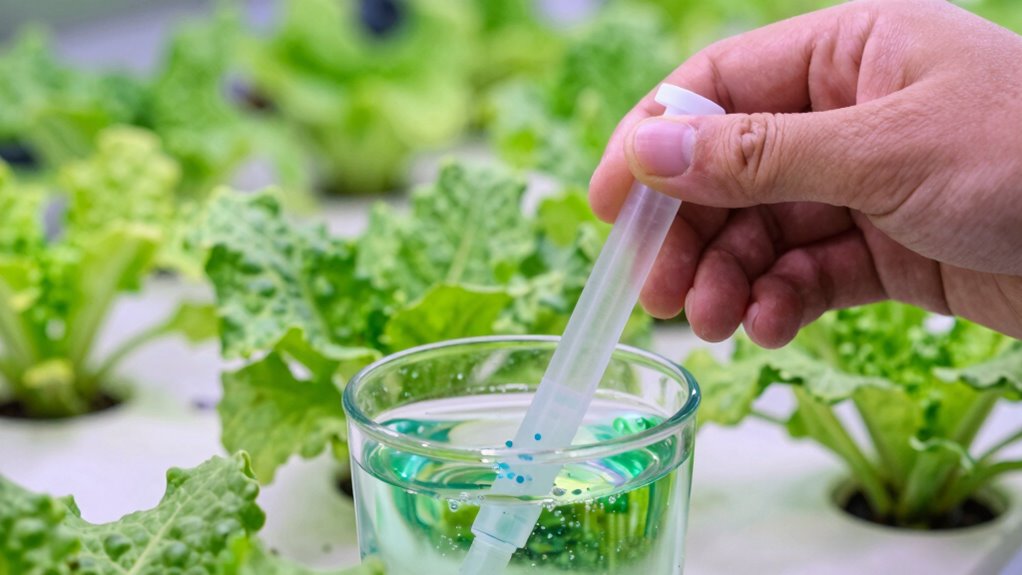
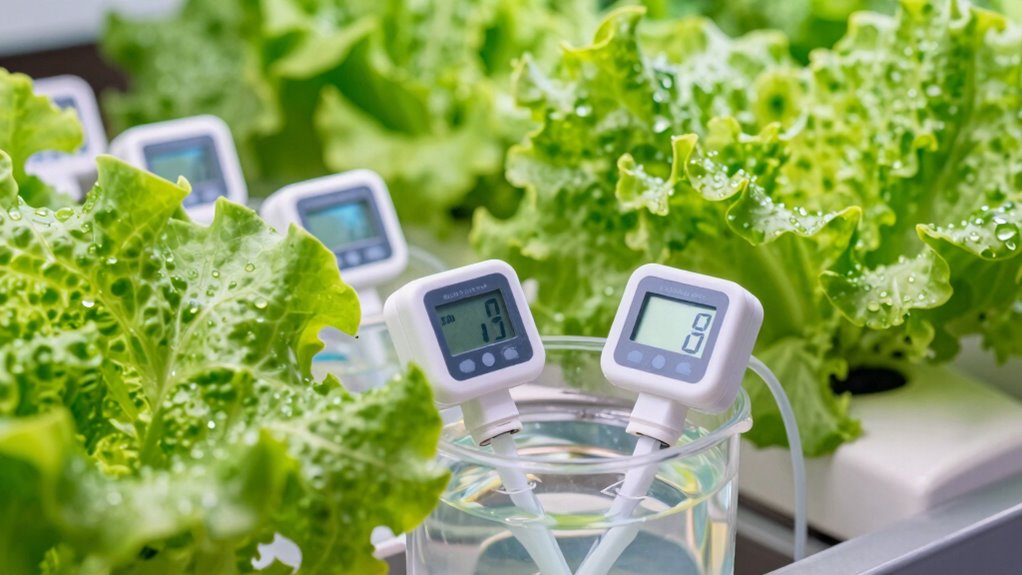
Have you ever wondered why maintaining the right pH level is critical for hydroponic growers? The answer lies in how pH influences nutrient absorption and root health. When the pH balance drifts out of the ideal range, your plants can struggle to take up essential nutrients, even if they’re present in the solution. This is because nutrients become more or less available depending on the pH level. For instance, at a too-acidic or too-alkaline pH, certain minerals like iron, manganese, or phosphorus can become insoluble, making it difficult for your plants to absorb them effectively. As a result, your plants may exhibit deficiencies, even if those nutrients are plentiful in your reservoir. That’s why monitoring and adjusting pH consistently is key to guarantee your plants get what they need, exactly when they need it. Additionally, understanding the contrast ratio of your growing environment can influence light efficiency and plant growth outcomes. Beyond nutrient absorption, pH also directly impacts root health. Roots are the foundation of your hydroponic system, and their health determines overall plant vigor. If the pH is off, it can cause root stress or even root zone imbalances, leading to poor oxygen uptake and increased susceptibility to diseases like root rot. When the pH is properly maintained, you create an environment that promotes healthy root growth. Healthy roots are more efficient at absorbing nutrients and water, which translates into stronger, quicker-growing plants. Conversely, if the pH fluctuates wildly or remains outside the ideal range, roots can become damaged or stunted, hampering your crop’s overall development. Regular testing and prompt adjustments are essential because nutrient availability can change rapidly in hydroponic solutions. Incorporating advanced testing methods can improve accuracy and help you respond more quickly to pH shifts. Using reliable pH meters or test kits helps you stay on top of these changes. Regular calibration of your testing equipment ensures accuracy and better control of your system accuracy. Implementing proper pH management techniques can significantly improve your crop yields and overall health. When you notice a deviation, adding pH adjusters—either acids or bases—can bring your solution back to the ideal range. This process might seem tedious, but it’s essential for maximum nutrient uptake and root health. When you keep pH in check, you’re fundamentally providing your plants with a stable environment, making sure they thrive and produce healthy yields.
As an affiliate, we earn on qualifying purchases.
Frequently Asked Questions
How Often Should pH Levels Be Tested in a Hydroponic System?
You should test pH levels daily in your hydroponic system to maintain pH stability and guarantee ideal root health. Regular testing helps you catch fluctuations early, preventing nutrient deficiencies or toxicities. If you notice pH drifting, make adjustments promptly. Consistent monitoring keeps your plants healthy, promotes steady growth, and maximizes yields by maintaining the perfect pH balance for nutrient uptake.
What Tools Are Best for Measuring pH Accurately?
Imagine holding a clear, precise jewel that reveals your nutrient solution’s true nature. The best tools for measuring pH accurately include digital pH meters with calibration features, which guarantee consistent precision, and reagent testing kits that change color for quick, visual readings. Regular pH calibration keeps your tools reliable, while reagent testing offers an affordable, straightforward method. These tools help you maintain ideal pH levels, ensuring healthy plant growth.
Can pH Fluctuations Harm Plant Roots?
Yes, pH fluctuations can harm your plant roots. Sudden changes can cause root damage, making roots more vulnerable to diseases and decay. Additionally, improper pH levels may lead to nutrient lock, where essential nutrients become unavailable to your plants. This stress can stunt growth and reduce yields. Maintaining a stable pH guarantees your roots stay healthy, absorb nutrients efficiently, and prevent damage caused by pH swings.
Are There Natural Methods to Adjust pH Levels?
If you’re seeking gentle ways to fine-tune pH levels, natural methods like soil amendments and organic solutions work wonders. You can add materials such as compost, peat moss, or organic acids to subtly shift pH without harsh chemicals. These eco-friendly options help uphold your hydroponic system’s balance, nurturing healthy roots. Embracing natural adjustments guarantees your plants thrive harmoniously, creating a flourishing environment that’s both sustainable and rewarding.
How Do pH Levels Affect Nutrient Absorption?
You need to monitor pH levels because they directly impact nutrient absorption. If pH isn’t stable, nutrients become either unavailable or toxic, leading to nutrient imbalance. When pH drifts too high or low, your plants struggle to absorb essential elements like nitrogen, phosphorus, and potassium. Maintaining pH stability guarantees your plants get the proper nutrients, promoting healthy growth and preventing deficiencies caused by improper nutrient uptake.
As an affiliate, we earn on qualifying purchases.
Conclusion
Just like a tightrope walker carefully balances to avoid falling, you need to monitor your hydroponic pH levels closely. Maintaining the pH in check ensures your plants absorb nutrients properly, leading to healthier growth and better yields. If you ignore it, it’s like trying to steer a boat without a rudder—chaotic and likely to fail. Stay vigilant with pH, and your hydroponic garden will thrive just like a well-tuned orchestra.
As an affiliate, we earn on qualifying purchases.
hydroponic nutrient pH adjusters
As an affiliate, we earn on qualifying purchases.
As an affiliate, we earn on qualifying purchases.
NFL season / tailgating Picks
team gear
As an affiliate, we earn on qualifying purchases.